Farmers who plant and manage forests ‘are not passive landowners’
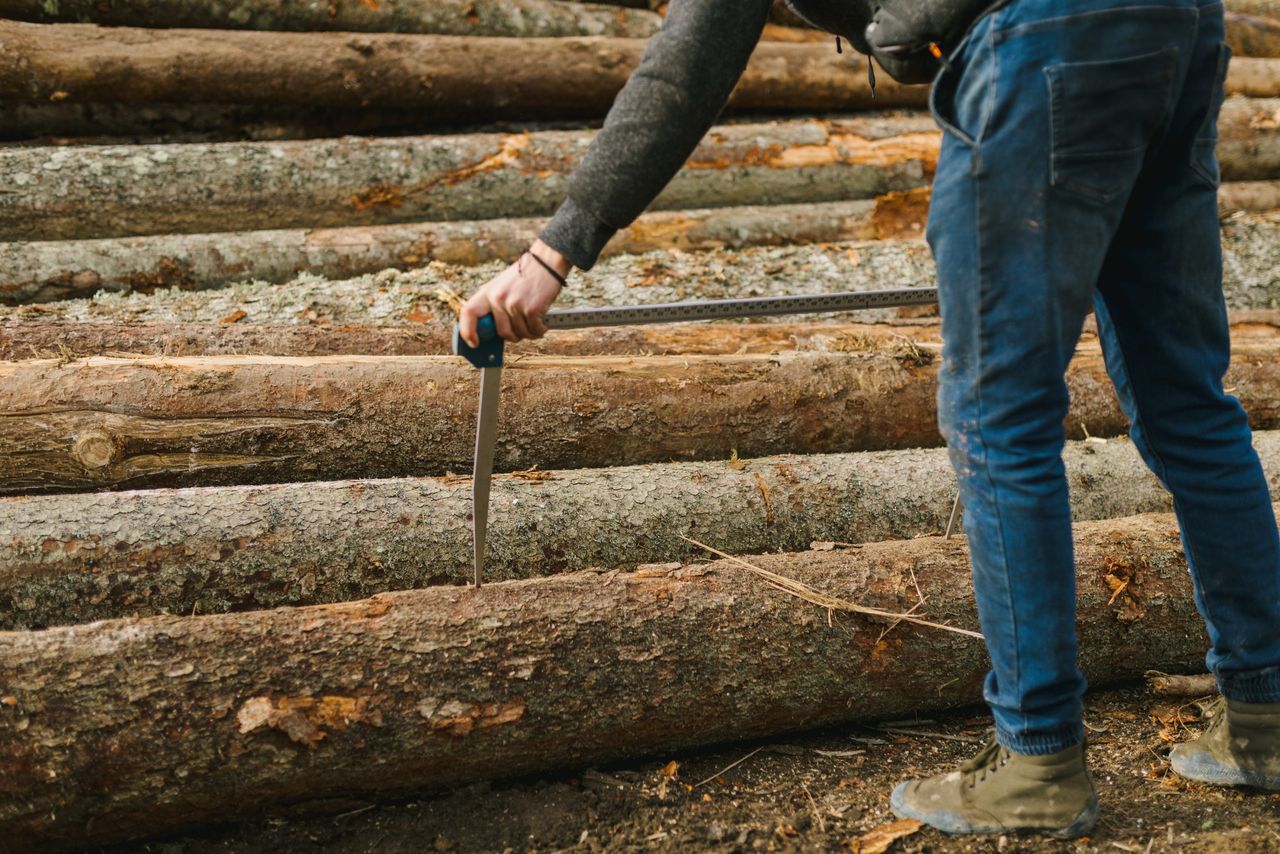
The definition of “active farmer” should include those who plant, manage, and harvest a forest, according to the Social Economic Environmental Forestry Association of Ireland (SEEFA).
The group recognised that this definition diverges from those made by other organisations in the past week.
Recently, Macra stated it has “historically and strongly” held the view that active farmers who are producing food should be prioritised when it comes to support under the Common Agricultural Policy (CAP), rather than funding being directed towards “those who simply own or manage land”.
Separately, on September 17, the Irish Creamery Milk Suppliers Association (ICMSA) offered a definition of a farmer based on a stocking rate of 1LU (livestock unit) per hectare.
ICMSA president Denis Drennan said: “The CAP has become completely lopsided away from food production and is in urgent need of rebalancing.”
SEEFA maintained that CAP funding should be directed toward genuinely active land managers, but argued that productive land use in modern Europe “extends beyond food production alone”.
The forestry group said: “Farmers who choose to plant and manage forests are not passive landowners.
“They are making long-term investments in climate action, biodiversity enhancement, water protection, renewable raw materials and rural economic development.
“These activities also require planning, financial commitment, risk-taking and active management over decades.”
It called for such landowners to be recognised as active farmers under future CAP arrangements.
Productive enterprise
SEEFA added: “While livestock and crop production remain central to Irish agriculture, defining productivity solely through agricultural output ignores the broader environmental and economic challenges facing rural Ireland.
“Forestry is a productive enterprise.
"Forest owners also invest significant capital, undertake management operations, comply with extensive regulatory requirements and contribute to future timber supplies."
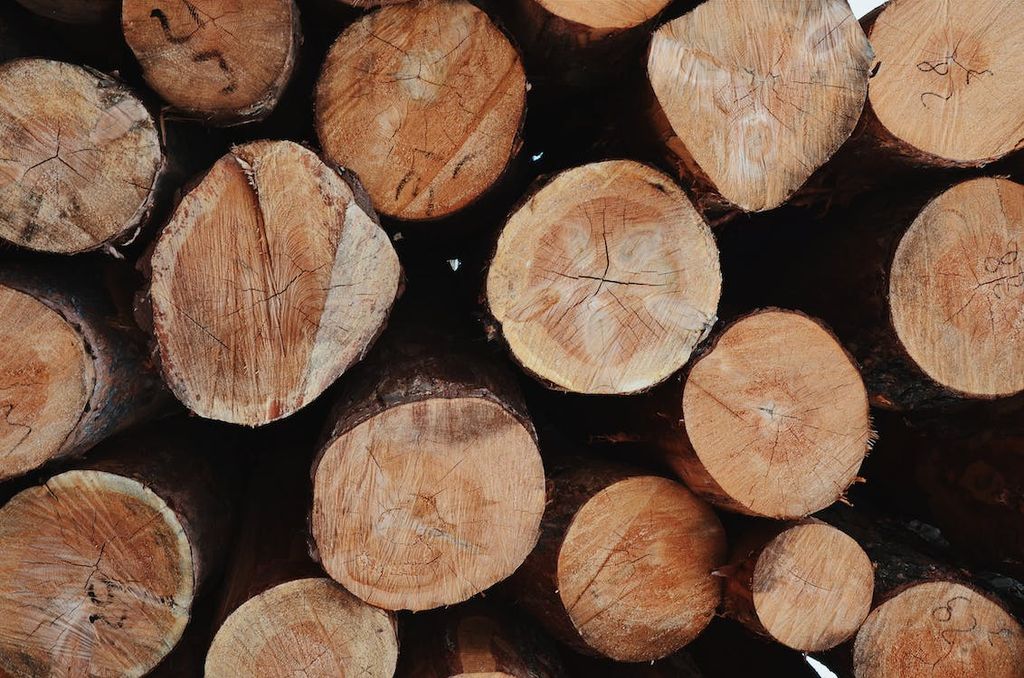
According to SEEFA, its forests deliver carbon sequestration, biodiversity benefits, and long-term economic value.
It added: "If an individual who milks cows, finishes cattle or harvests crops are considered active farmers, then a farmer who plants, manages and harvests a forest should also qualify as actively managing their land."
CAP and climate
SEEFA pointed out that Ireland, like every EU member state, faces "enormous" challenges in reducing greenhouse gas emissions while "maintaining vibrant rural communities and profitable farm businesses".
It said: “Afforestation remains the single largest land-based climate change mitigation measure available to Ireland.
“Every hectare planted contributes to carbon removal, biodiversity restoration and future renewable material production."
SEEFA noted that Ireland has "repeatedly" fallen short of its annual afforestation targets.
The group added that the burden of this unplanted forestry "will ultimately fall on Ireland's current and next generation of farmers".
Partners
According to SEEFA, the debate on the active farmer definition should not be framed as a choice between food production and forestry, adding that “Ireland needs both”.
It said: “Food-producing farmers and forest owners are not competitors.
“They are partners in managing the rural landscape and delivering economic, environmental and social benefits.
“Future CAP reforms must recognise this reality by supporting all forms of active and productive land management.”
It added that farmers who choose to establish forests should not be disadvantaged because their production cycle differs from that of livestock or tillage enterprises.
SEEFA said: “The next CAP must support profitable farming, food security, climate action, biodiversity restoration, and rural development simultaneously.
“A truly balanced CAP will recognise that productive land management comes in many forms and that forestry is not a competing interest but an essential component of Ireland's agricultural and environmental future.”