Bluetongue detected in sheep for first time in Ireland

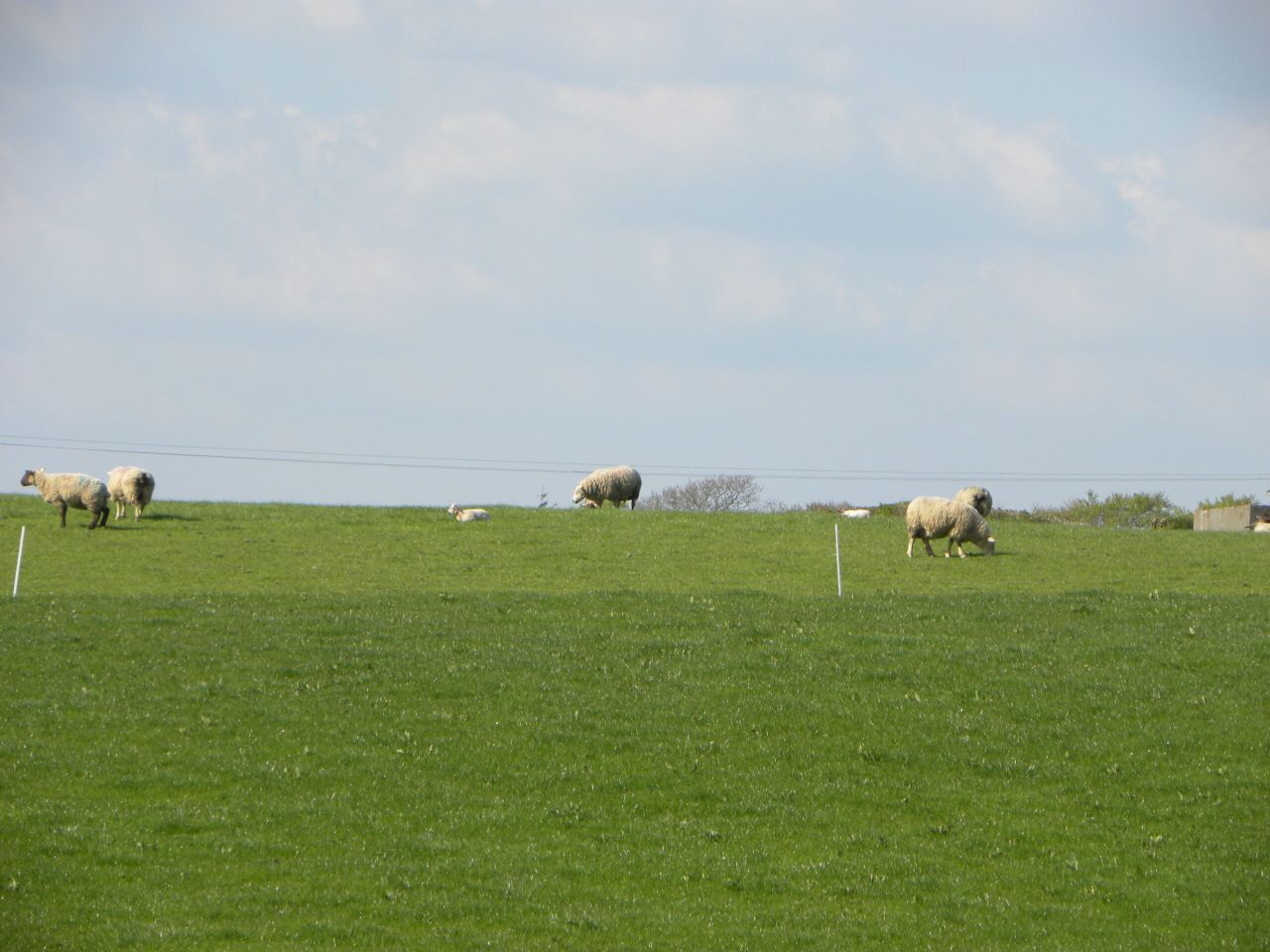
A dead ram in Co. Wexford has tested PCR positive for bluetongue virus, the Department of Agriculture, Food and the Marine (DAFM) has confirmed.
This is the first recorded detection of bluetongue virus serotype three (BTV-3) in ovines in Ireland.
As this is the first time bluetongue has been reported in a sheep in Ireland, further investigation will take place in this flock, DAFM said today (Monday, September 21).
New cases
This comes only days after DAFM confirmed that three suspect animals in three separate herds have tested positive for BTV-3.
These herds are located in counties Wexford, Wicklow and Kildare.
The animals exhibited various clinical signs and for this reason were tested.
The first case of bluetongue in Ireland was confirmed in early September in an unvaccinated heifer in Co. Wexford.
The second confirmed case involved an unvaccinated cow in a Kildare herd that developed clinical signs including abortion.
Infection
Bluetongue virus can infect and cause severe clinical signs in ruminant species (including sheep, cattle, goats and deer) and camelids (such as llama and alpaca).
Bluetongue virus is spread by infected biting midges, many of which are found throughout the island of Ireland.
Bluetongue transmission primarily occurs when biting midges feed off the blood of an infected animal and then spread the virus to other uninfected animals they bite.
Midge activity levels depend on average temperatures. The high-risk period for bluetongue spread is when midges are most active.
Traditionally this would be between April and November, however rising global temperatures and mild weather conditions during winter may see midge activity persisting for longer, extending the periods of potential disease transmission.
Wind speed and direction can also affect how far midges can travel and could potentially facilitate the spread of disease.
Sheep are more likely to show obvious clinical signs of bluetongue than cattle if they become infected, and mortality rates can be as high as 70%.
Some animals may not show any clinical signs however, and these animals can pose a risk for spreading the disease to new areas or countries.
The disease is currently present in many parts of Europe.