EU urged not to 'overlook' agri-food in competitiveness strategy

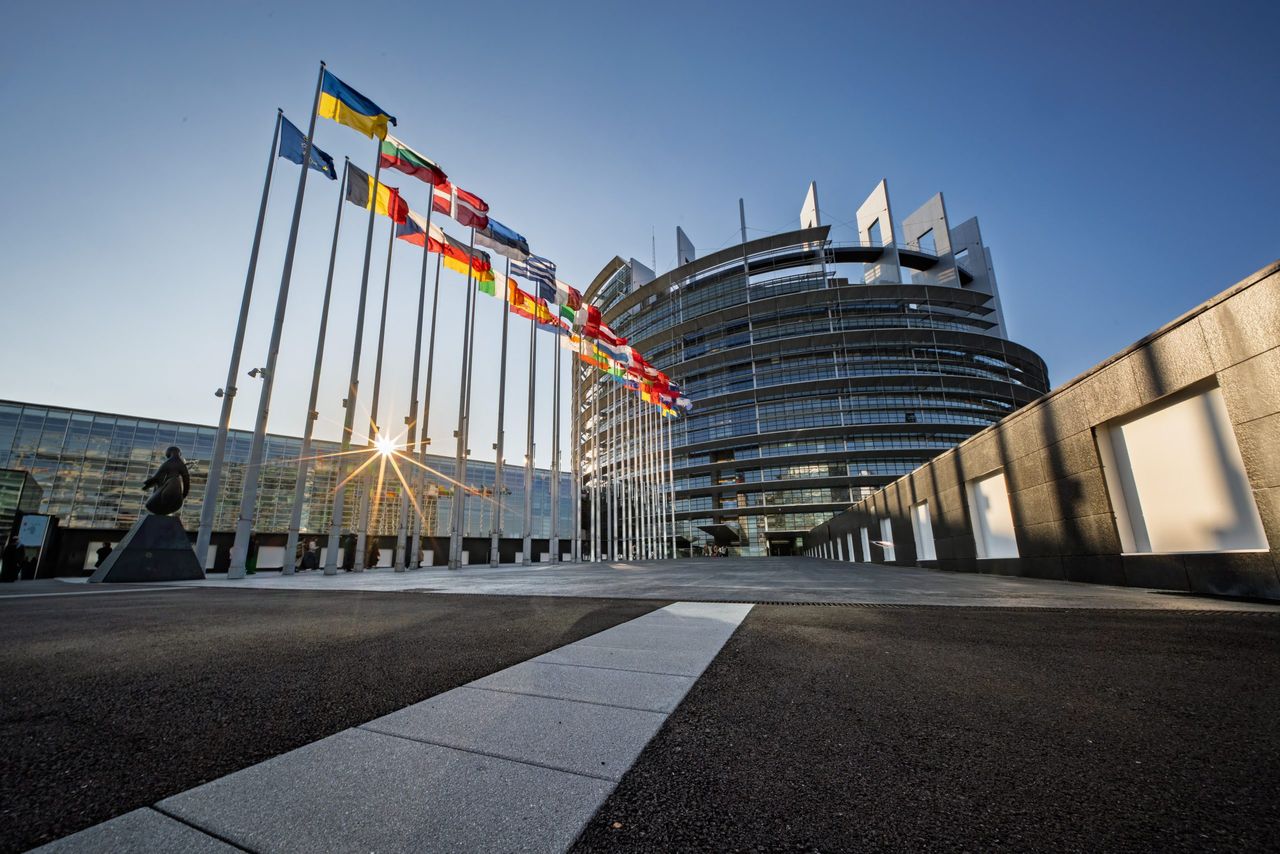
The European Parliament and Council have been urged to recognise agriculture, aquaculture, and food systems as strategic sectors with the EU competitiveness strategy.
The call comes in a statement from nine signatories from the agri-food sector along with five European technology platforms (ETPs), who want additional consideration of the sector within the European Competitiveness Fund (ECF) and Horizon Europe.
The statement said: “At a time of increasing geopolitical instability, climate pressure, and economic uncertainty, the European Union must reinforce the foundations of its long-term competitiveness and resilience.
“Agriculture, bioeconomy and food systems play a central role in these efforts.
"They ensure food security, support rural economies, contribute to climate change mitigation and adaptation, and are essential to securing and increasing sustainable biomass supply and underpin key manufacturing value chains across Europe."
“A forward-looking European competitiveness strategy cannot overlook the agri-food sector.”
According to the statement, sustainable and innovative agricultural and aquatic food systems "drive productivity, reduce strategic dependencies, and strengthen the EU’s capacity to respond to external shocks".
“Investment in research and innovation in this sector is therefore not only a matter of sustainability, but of economic resilience and global leadership.”
‘Underrepresented’
According to the signatories, despite their "strategic importance", agriculture, aquaculture and food systems at at risk of "being underrepresented in emerging competitiveness instruments".
The group urged the European Parliament and member states to:
- Explicitly include agriculture, bioeconomy and food in the title of Policy Window 2 of ECF and Horizon Europe, to reflect their strategic relevance and ensure appropriate prioritisation alongside other key sectors;
- Ensure sufficient and dedicated funding for agri-food research and innovation under ECF and Horizon Europe, commensurate with the sector’s contribution to competitiveness, resilience, sustainability, and food security;
- Guarantee fair and balanced representation of all agri-food stakeholders in priority-setting and programming procedures, including researchers, farmers, industry, and civil society, to ensure that funding priorities are relevant, inclusive, and responsive to real-world needs.
The statement said: "A coherent and ambitious policy framework that fully integrates agriculture, aquaculture and food systems into the EU’s competitiveness agenda will be essential to safeguard Europe’s strategic autonomy, economic vitality, and societal well-being, while accelerating innovation across the agri-food value chain”.
The signatories said that they stand ready to work with EU institutions "to ensure that agriculture and food systems receive the strategic attention they require".
Signatories of the statement are: Aarhus University’s Faculty of Technical Sciences; EATIP (European Aquaculture Technology and Innovation Platform); EFFAB (European Forum of Farm Animal Breeders); ELO (European Landowners’ Organisation); ETP Food for Life; EURAF (European Agroforestry Federation); Euroseeds; FABRE TP (Farm Animal Breeding and Reproduction Technology Platform); FiBL (The Research Institute of Organic Agriculture); FoodDrinkEurope; FQH (Organic Food Quality and Health); IFOAM Organics Europe; Plants for the Future ETP; and TP Organics.
Proposed by the European Commission in July 2025, the ECF is a central, €409 billion initiative designed for the 2028-2034 EU budget to boost European industrial competitiveness, digital leadership, and strategic autonomy.
Horizon Europe is a major source of funding for universities, research centres, agri-innovation projects and rural development.