New EU organic rules seek to 'reduce admin burdens' for farmers

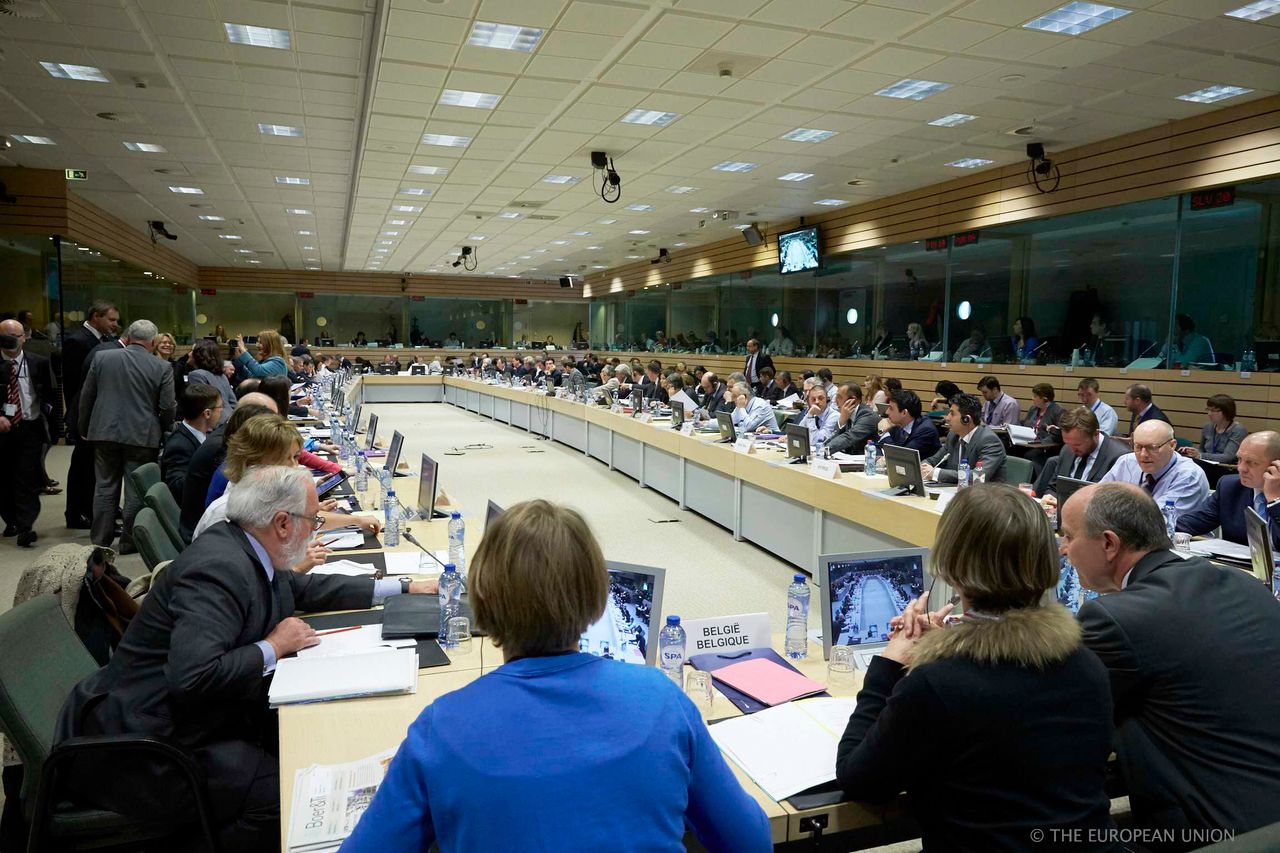
EU member states at the Special Committee on Agriculture have agreed on a negotiating position for updating the EU rules on organic production and labelling.
The aim is to make the rules "simpler to follow, clearer to interpret, and to support the continued growth of the organic sector across Europe", according to the Council of the EU.
The proposed updates focus on selected areas of the existing framework while keeping the EU’s high standards for organic products.
By doing so, the council said it "hopes to maintain consumer trust in the EU organic label, reduce administrative burdens for farmers, businesses, and national authorities, and strengthen the competitiveness and resilience of the organic sector".
Organic farming
Speaking today (Monday, May 11) as the council adopted its position, Maria Panayiotou, Minister of Agriculture, Rural Development and Environment of the Republic of Cyprus said: "Organic farming is a strategic asset for Europe’s food systems, biodiversity and rural areas.
"Member states want rules that are simpler, clearer and better fit to the realities on the ground.
"But we want to do so while preserving the high standards and consumer confidence that underpin the success of the EU organic sector."
The council’s position focuses in particular on: simplification and flexibility; imported organic products and labelling; and temporary use of non-organic inputs.
In terms of simplification and flexibility, the council said it wants to simplify rules for small operators, including exemptions from certification and adjustments to turnover thresholds.
"Small online retailers of pre-packed organic products will be exempt from certification under certain conditions," it said.
"This aims to reduce administrative burdens and encourage participation in organic farming."
On imported organic products and labelling, the council’s position clarifies that products imported from countries with organic production systems recognised as equivalent to the EU’s cannot use the EU organic logo but can use the organic logo of their country of origin.
The council said, at the same time, that it "supports allowing the EU organic logo to be used on imported products if they meet additional production and control requirements beyond the equivalence standards, ensuring they approach the rigor of EU organic standards".
"This aims to facilitate trade and maintain consumer trust," the council said.
Labels
The council is also seeking to removing the European Commission’s proposal to allow the EU organic label on products containing up to 5% ingredients from third countries that do not meet additional criteria.
The council has also agreed that temporary flexibility be introduced for non-organic protein feed for poultry and pigs, and for aquaculture juveniles, with a plan to phase out these derogations gradually.
The council said its position also allows products already labelled under the old system to continue being sold until stocks are exhausted.
"This will avoid market disruption. Transitional measures ensure continuity and legal certainty for imported organic products and trade as the new rules are implemented," it said.
Negotiations between the council presidency and the European Parliament are expected to start as soon as possible.
"The EU aims to find an agreement before the end of the year to ensure smooth transition of the recognition of third countries whose organic production and control systems have been recognised as equivalent to those of the union," the council said.
"Current agreement expires on 31 December 2026."