How much will it cost to make a bale of silage?

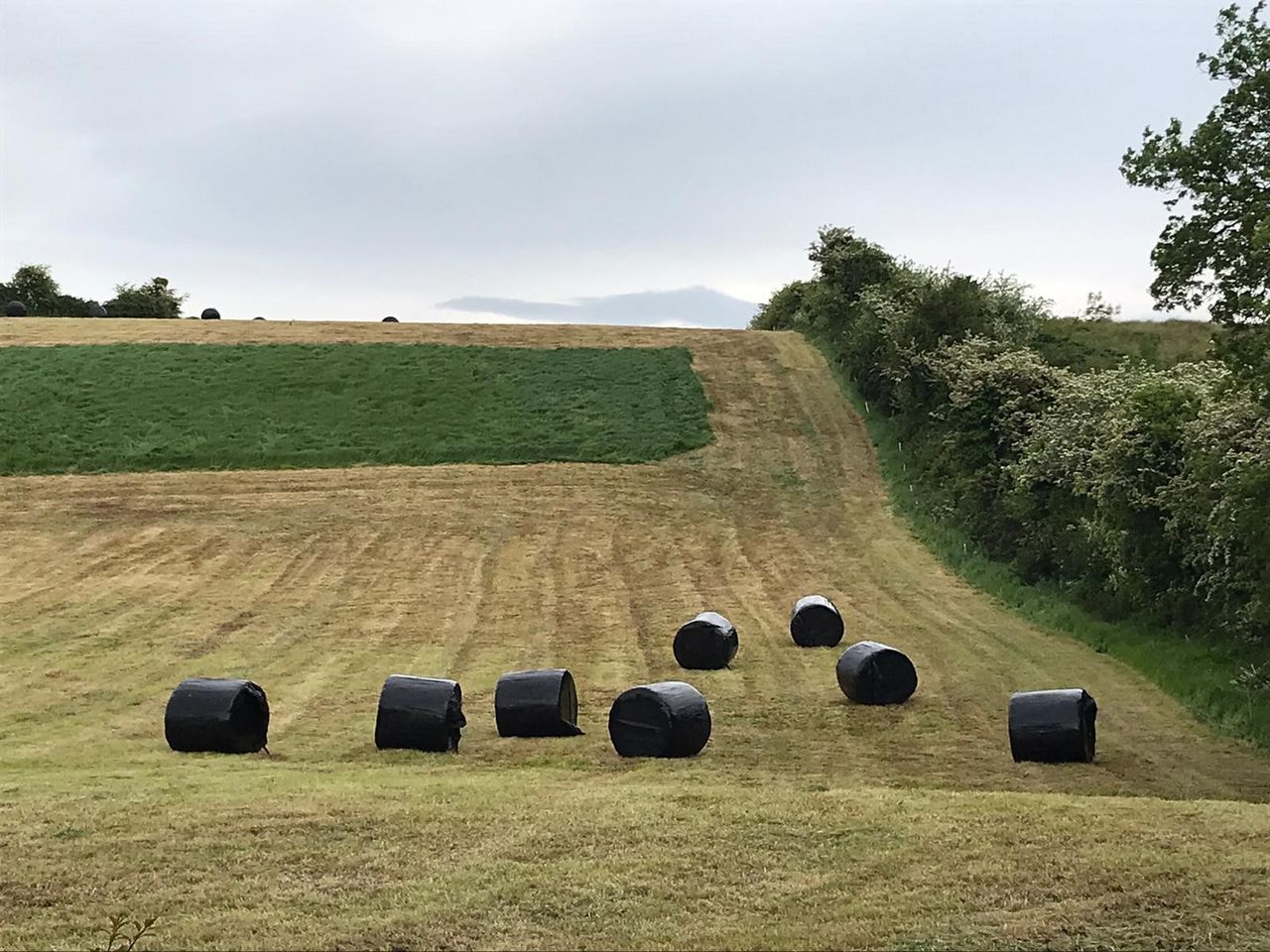
Heightened fertiliser and fuel costs will see silage production costs on farms rise this year, Teagasc has warned.
Grassland researcher at Teagasc Grange, Dr. Peter Doyle, gave a breakdown of the cost of producing a bale of silage, along with the costings associated with different silage cutting strategies at a recent webinar.
Dr. Doyle presented data from the Teagasc Grange Feed Costings Model at the webinar, titled ‘Gearing up for Silage 2026 Webinar’.
The analysis used the Association of Farm and Forestry Contractors in Ireland (FCI) guideline prices from February - although these subject to change due to volatile fuel markets - along with the average price of protected urea and (the compound fertiliser) 18:6:12 over March and April.
The following assumptions were used in determining prices and were inclusive of VAT:
- Land rental costs of €300/ac;
- Protected urea at €740/t and 18:6:12 at €600/t;
- Fertiliser spreading at €55/t;
- Slurry spreading, using a 2,500 gallon tanker and a dribble bar, at €100/hour;
- Pit silage at €210/ac (complete job);
- Mowing at €33/ac;
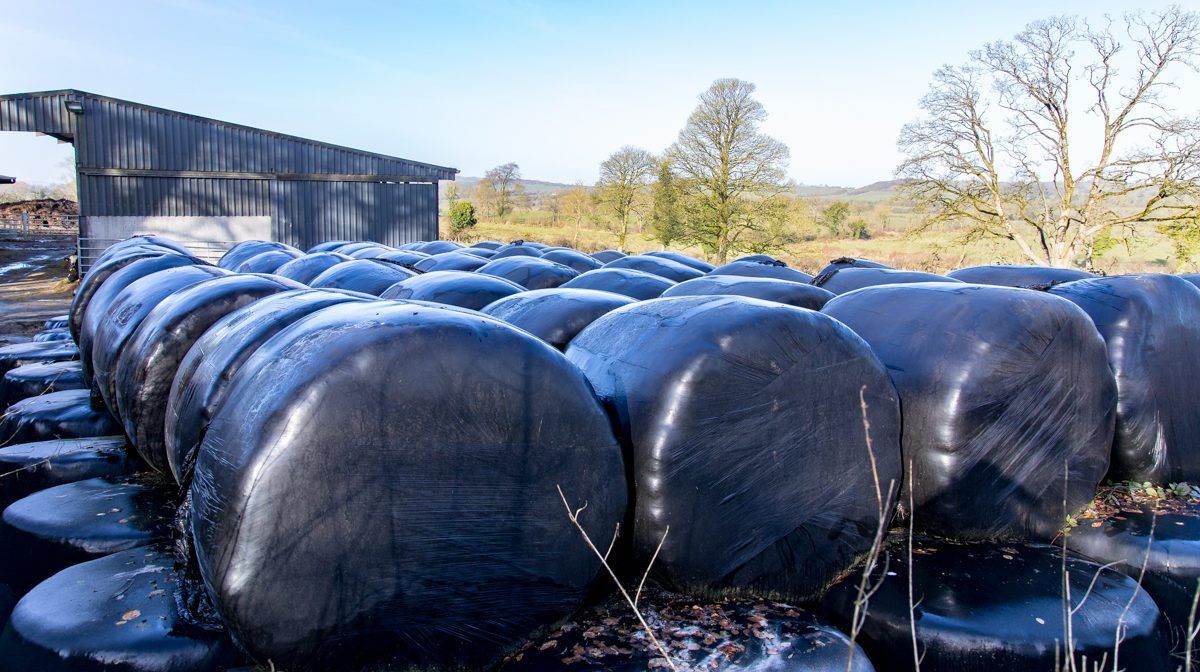
- Bale and wrap including plastic at €20/bale.
Two-cut system
Based on a two-cut system and using these assumed prices, Dr. Doyle said that the cost of producing a bale of silage will be €54/bale when the land charge is included, or €44/bale when the land charge is excluded.
These costs were based on achieving 12 bales/ac from the first cut and nine bales/ac from the second cut. Of this cost, €10 was attributed to fertiliser and slurry.
Another finding was that where no slurry is available to grow the crop and a fertiliser product such as 0:7:30 is used, the cost of producing a bale of silage increases by €3/bale.
The breakdown of harvesting costs was €20/bale for bale and wrap (including plastic), €7/bale for transport and stacking, and €4.50/bale for mowing and raking.
| Cost per bale (€) | |
| Fertiliser + slurry (including spreading)1 | 10 |
| Harvesting | 32 |
| Fixed costs (reseeding/facilities) | 3 |
| Total to make excluding land charge | 44 |
| Total to make including land charge | 54 |
Providing a caveat on these costs, Dr. Doyle said: “We are assuming that contractors do all the jobs.
"Some people will be making parts of their own silage so harvesting costs may differ on some farms depending on their individual scenarios.”
Energy values
Along with providing an update on the cost of producing silage, Dr. Doyle also examined the true cost of silage based on energy density or energy utilised, while also sharing considerations on cutting dates.
Farmers were advised to prioritise quality in the first cut, as it offers the best opportunity to achieve both quality and quantity.
To achieve this, cutting is advised in mid to late May but will depend on the last grazing/cutting date.
Dr. Doyle said: “Really you have to aim to get good quality silage for your first cut because your first cut is the best chance of where you are going to get quality and quantity.”
He added: “You can typically achieve over 5t dry matter (DM)/ha and still get 75 dry matter digestibility (DMD) for your first cut, which is much harder to get in the subsequent cuts.”
However, Dr. Doyle noted that the target date for second cut will depend on the type of stock the silage is intended for.
Where silage is being made for growing animals, farmers should aim to cut by July 17, while silage for dry cows could be cut later.
For further insights, Dr. Doyle’s full presentation to the ‘Gearing up for Silage 2026 Webinar’ is available on YouTube.