EU approves €1.5bn scheme for Spanish farmers hit by flooding

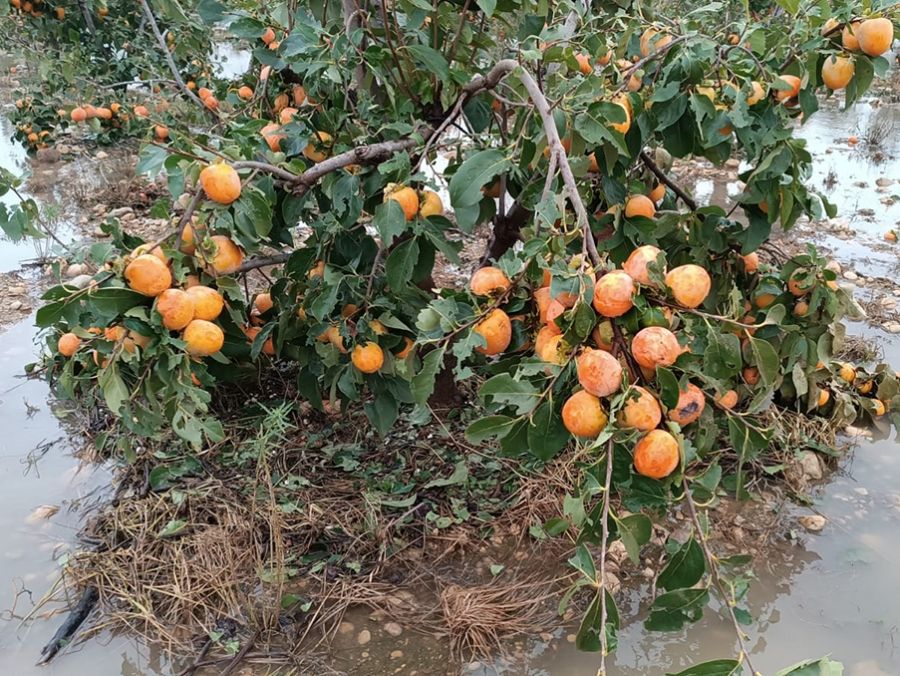
The European Commission has approved a €1.5 billion State aid scheme to support Spanish farmers impacted by flooding.
The aid will be targeted at farmers affected by a series of storms in the Andalusia and Extremadura regions between November 2025 and February 2026.
Spain had notified the commission of its plans to compensate farmers for the damage caused by severe floods that affected an area of over 100,000km².
The flooding destroyed crops, damaged farm infrastructure and resulted in higher operating costs.
Scheme
According to the commission, the scheme aims to prevent farm closures and preserve agricultural production.
Farmers will be provided with "rapid financial support" to restore production capacity of affected farms.
The aid will take the form of direct grants covering up to 100% of eligible costs, which include material damage and loss of income resulting from the total or partial destruction of agricultural produce or agricultural production assets.
The scheme will run until December 31, 2026.
Flooding
The commission assessed the scheme under EU rules that allow for State aid to make good the damage caused by natural disasters within the agricultural sector.
According to the guidelines, floods may constitute natural disasters.
In the context of this scheme, the Spanish authorities formally recognised the event as a natural disaster and demonstrated a direct causal link between the floods and the damage suffered by the farmers.
It was on this basis that the commission approved the Spanish scheme under EU State aid rules.
State aid
Teresa Ribera, EU Commission executive vice-president for clean, just and competitive transition said that "agriculture plays a crucial role in the EU’s economy and society".
"With this decision, the commission proves again that it stands ready to quickly authorise support to farmers impacted by natural disasters.
"The increasing frequency of natural disasters, such as floods, poses a significant threat to agricultural production and food security.
"Therefore, compensatory measures are critical to protect the agricultural sector and to ensure its long-term sustainability," she said.