EU called on to 'reassess' inclusion of fertiliser in CBAM tax

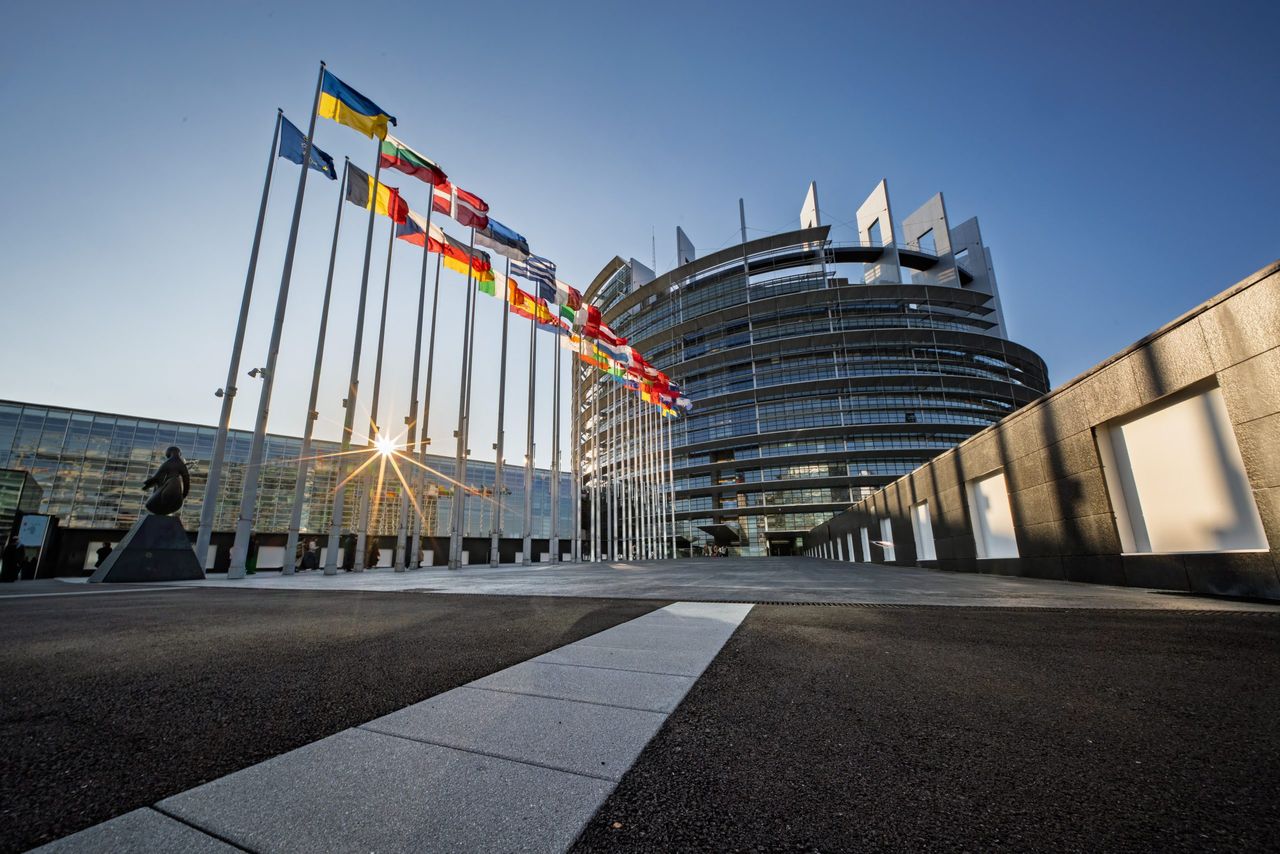
An Irish senator has called on the European Commission to reassess the inclusion of fertiliser in the Carbon Border Adjustment Mechanism (CBAM).
CBAM, which came into force on January 1, is essentially a tax on imports of carbon-intensive products into the EU, including fertiliser.
The measure requires importers of fertiliser to pay for certificates to import products.
The war in the Middle East, along with the closure of the Strait of Hormuz, has led to intensified focus on CBAM and how it may deepen a fertiliser crisis.
Fine Gael senator Eileen Lynch said that Irish farmers cannot shoulder another major increase in input costs without "serious consequences" for food production and rural livelihoods.
"The conversation around CBAM has largely focused on climate policy and industrial competitiveness, but little attention has been paid to the practical impact this will have on farmers here in Ireland," she said.
The senator, who was elected from the Seanad's Agricultural Panel, added: "Fine Gael Minister for Agriculture Martin Heydon has already acknowledged the significant challenge to the agri-sector caused by rising costs, and he has said that CBAM risks the addition for a further delay of fertiliser cost inflation.
"This is why Ireland supports the provision of a mechanism to temporarily suspend the application of CBAM to fertiliser, and this must be done in the most expeditious manner possible," she said.
"Farmers are already dealing with rising costs, uncertainty in global markets and increasing pressure to remain competitive.
"Adding further costs to fertiliser at a time when margins are already under strain risks placing many family farms in an impossible position," the senator said.
Farming organisations in Ireland and in Europe have warned that the costs to farmers in the coming years could be very significant, placing further pressure on food production and competitiveness.
Lynch said the issue is particularly important for Ireland, given the central role agriculture plays in the Irish economy and in sustaining rural communities.
"Irish farmers are among the most efficient and sustainable food producers in Europe. We cannot continue to introduce policies that increase production costs while farmers are forced to sell into highly competitive global markets where those same costs do not apply," she added.
According to the senator, the current instability in the Middle East and the ongoing volatility in energy and fertiliser markets have highlighted the vulnerability of the sector and the need for greater realism in EU policymaking.
"We all support sensible climate action, but it must be workable. Policies introduced in Brussels must recognise the reality facing farmers on the ground in Ireland," she said.
"Food security, farm viability and the future of rural Ireland must remain at the centre of decision-making."
Senator Lynch called on the European Commission to "urgently reassess" the inclusion of fertiliser under CBAM as part of the upcoming Fertiliser Action Plan, and "to ensure that any revenues generated are reinvested in supporting farmers and protecting food production across the EU".