Dealing with non-bulling cows as breeding kicks off

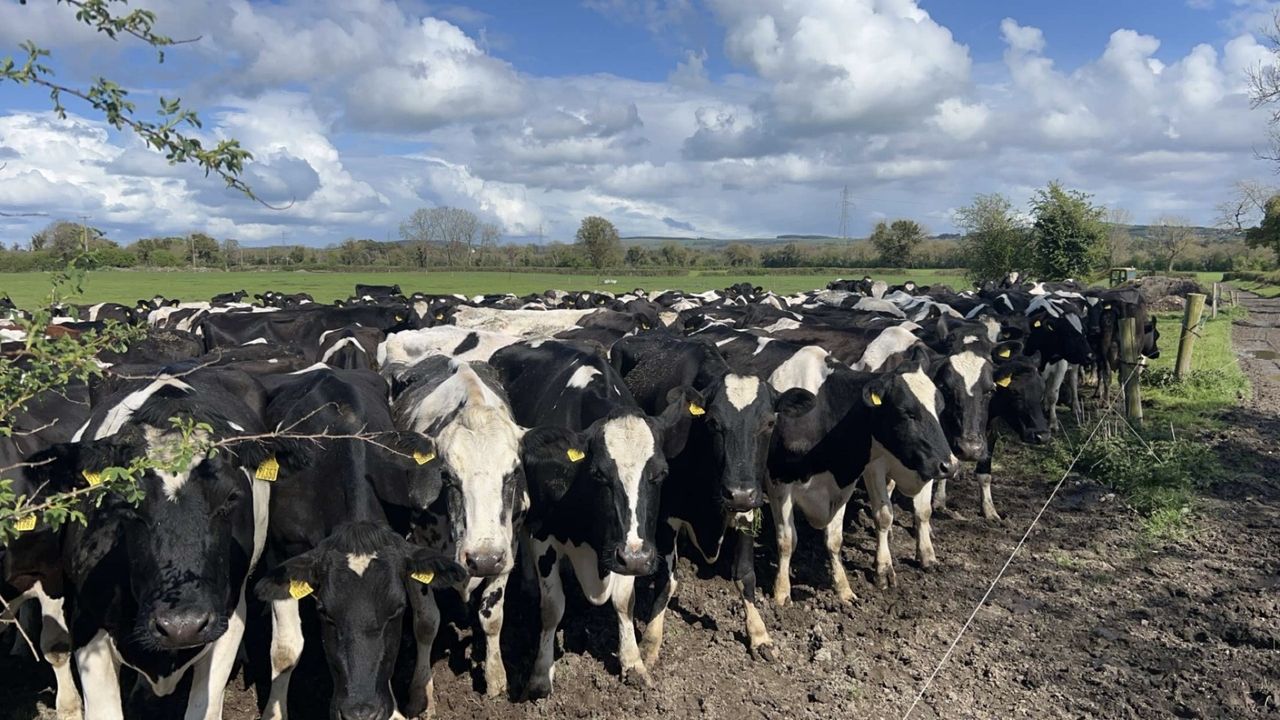
Breeding is now underway on a lot of farms across the country, but there are still plenty of non-bulling cows in the herd that will have to be dealt with.
These 'problem cows' can be a fierce nuisance to deal with when there are 101 other jobs to be done, but identifying them early will make things a lot easier.
Usually cows will return to normal cyclic activity within 30-35 days after they have calved, with the first heat being silent and the first cycle after that usually occurring quite quickly, about 8-12 days later.
This means that most cows should have displayed behavioural heat by, at the very latest, 38-47 days post calving.
When a cow fails to show signs of heat 60 days after calving, it is called postpartum anoestrus and can be due to true anoestrus or suboestrus.
Non-bulling cows
Fertility can be affected by a number of factors, whether it is the herd's genetics, management, husbandry, or prior health conditions.
Therefore it is important to figure out what is the cause of non-bulling heifers in the herd.
If there are a large number of non-bulling cows each year in the herd, the farmer should examine the genetic merit of the herd and see if the fertility of the herd is an issue.
If this is the case, this issue can be rectified by using high fertility and health positive bulls.
Another issue may be body condition scores (BCS), especially after such a long winter. We need to be targeting a BCS at mating start date (MSD) of 2.9.
If there are cows in the herd that are not cycling and have a low BCS, their energy status needs to be improved by increasing their grass allowance and concentrate supplementation.
Moving these cows to once-a-day milking for a few weeks until they are served may help overcome energy deficits.
The grazing season has really taken off in the last few weeks. However, a lot of farms still have issues to overcome with either too much grass or too little.
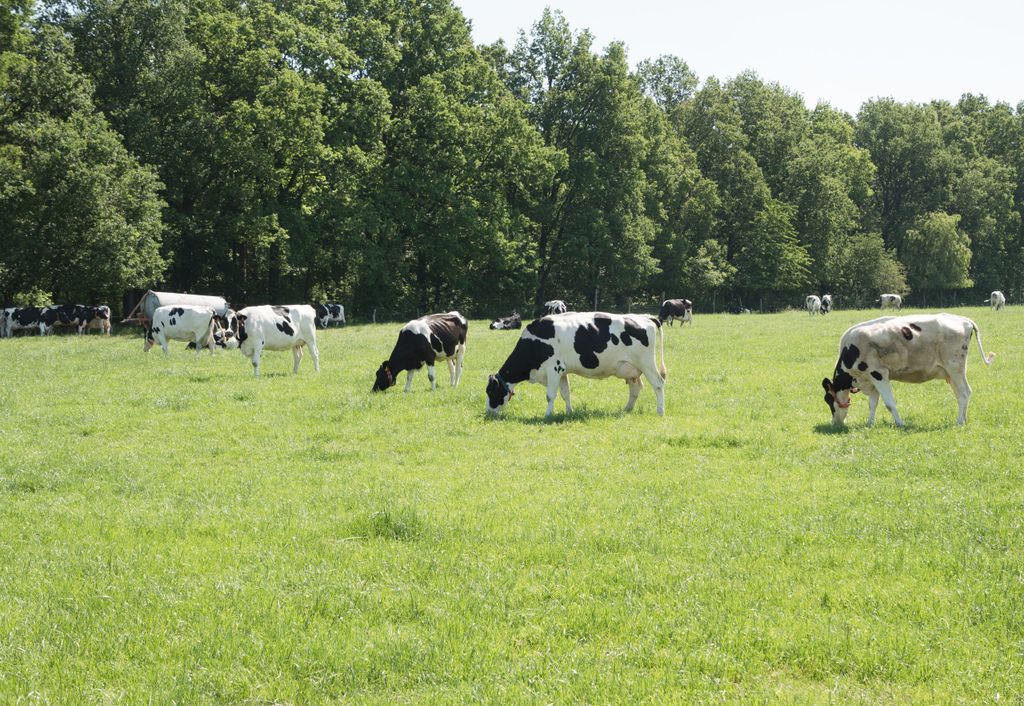
Either way it is critical to ensure management is up to standard and that pre-grazing covers and post grazing residuals are optimal to ensure the diet is properly balanced for energy, protein, and minerals.
If the non-bulling cows are also cows that had difficult calvings, retained membranes, metritis, milk fever, or any metabolic issue, these cows should be metrichecked by your vet and treated if necessary.
Blood tests should be completed prior to the start of breeding, as this allows for any mineral issues to be dealt with before it all kicks off. Farmers should blood test 7-10% of the herd to identify what minerals and trace minerals are deficient.
Phosphorus (P) deficiency can cause issues with fertility and lead to low conception rates. This deficiency can be identified through the cows’ behaviour - if they are licking stones and exhibiting depraved appetite, farmers need to react.
Farmers should also find out the disease status of their herd.
Vaccinations for bovine viral diarrhoea (BVD), infectious bovine rhinotracheitis (IBR), leptospirosis, salmonella, neospora, mycoplasma, etc., should have been administered well in advance of breeding if there are issues.
As lameness affects the cow’s normal behaviour and causing her to lie down more to rest the affected hoof or limb, she will eat less and be less likely to show normal oestrus behaviour, so hoof trimming and foot bathing needs to continue as well as keeping roadways and gathering yards in good condition.
Mastitis can also have negative impact on fertility, as studies have shown that it reduces conception rates, alters the timing of ovulation, and results in irregular interoestrus intervals.
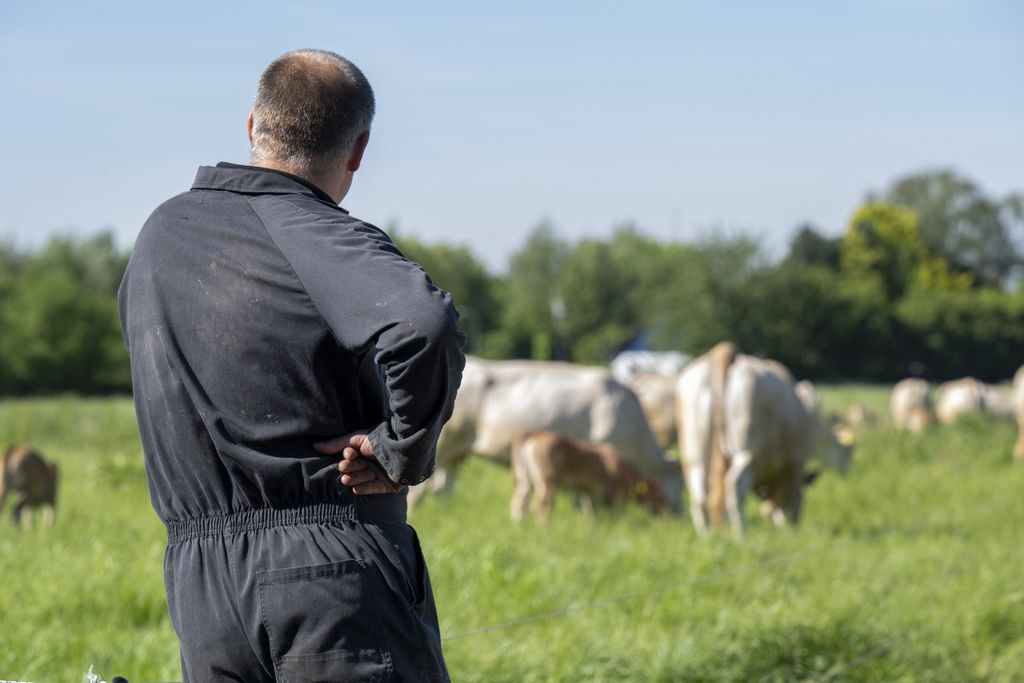
To deal with weak/silent heats, farmers need to improve their heat detection techniques and ensure that observation periods are long enough - of about 30 minutes - and frequent enough - about three to four times a day, according to Teagasc.
The resumption of ovarian cyclicity after calving is influenced by the nutritional status, BCS milk yield, calving difficulty, uterine infection, breed, age, and concurrent disease.
Farmers could choose to synchronise these non-bulling cows to stimulate the resumption of cyclicity.
This is the most effective and efficient way getting these cows back in calf early combined with increase energy intake.
It is important that these cows are dealt with early to try and maximise the six-week submission rate and get the cows calving down early in 2027 to turn them out to grass straight away and save on production costs.