Dairy farmers and athletes share pursuit of 'marginal gains' - NDC


Irish dairy farmers and elite athletes share a common commitment to hard work, consistency and the pursuit of "marginal gains".
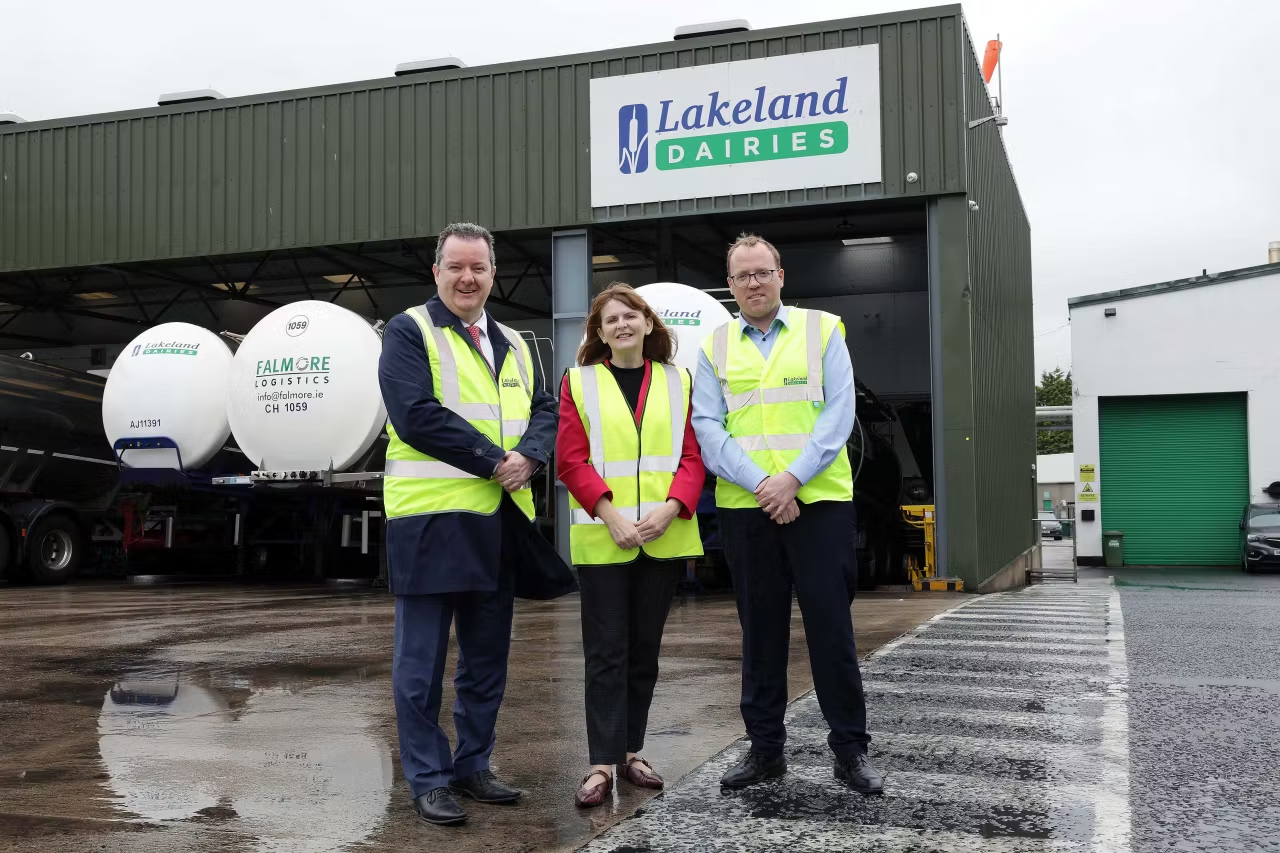
That's according to the speakers at the launch of a new partnership between the National Dairy Council (NDC) and Sport Ireland Institute today (Wednesday, June 3).
The three-year partnership will see a dairy-based breakfast programme provided to Ireland's elite athletes, coaches, and support staff as they prepare for the Los Angeles 2028 Olympic and Paralympic Games.
NDC
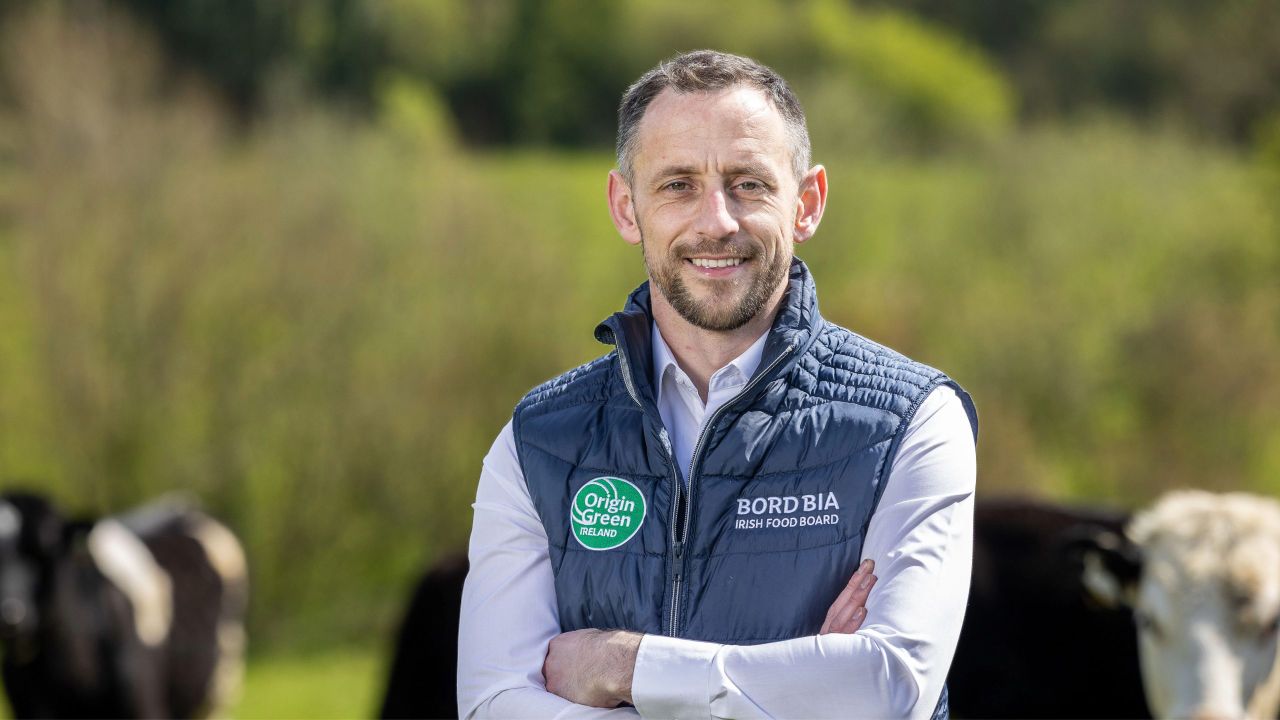
Speaking at the launch, NDC chief executive Emma Walls highlighted the similarities between the commitment required to succeed in sport and in dairy farming.
Walls said: "The God-given talent that [Olympians and Paralympians] have isn't enough to win medals; you have to put in the the time, dedication and commitment to get those incremental gains.
"It's very much like that for dairy farmers: we have a lot of natural advantages in Ireland, such as the great pasture-based systems and unique climate, but that in itself is not what allows our produce to compete on a world stage.
"It's the work that dairy farmers do - day in, day out - with their animals and grassland to transform it into premium milk," she added.
Breakfast survey
The launch coincided with the release of new research commissioned by the NDC, which surveyed over 1,000 Irish adults about their breakfast habits.
The survey found that while 84% of adults did recognise the value in a healthy and balanced breakfast, convenience reportedly continues to "strongly influence breakfast choices".
According to NDC, 41% of those surveyed said they typically opt for a carbohydrate-based breakfast, such as bread, toast or pastries, while almost half (49%) choose cereal or granola with milk or yoghurt.
Athletes
NDC stated that its new programme aims to highlight the role of dairy products in supporting performance, recovery and overall health.
Double Olympic champion Paul O'Donovan, who hails from a west Co. Cork farm, welcomed the initiative, describing breakfast as a key part of an athlete's preparation.
The professional rower said: "When you’re training at a high level, especially coming up to big competitions, it’s not just the sessions on the water that matter - the things around them make a difference too, such as breakfast.
"You need something good to eat before the day gets going, and eating properly really helps with recovery and building strength."
O'Donovan noted that dairy has "a very practical role in sport, particularly for energy, protein, and hydration."
NDC senior nutritionist Dr. Mary Harrington went into further detail on how milk offers a combination of nutrients that can support recovery after exercise.
She commented: "Research shows that the carbohydrates in milk can actually refuel your body as well as commercially available sports drinks.
"Milk is also a good source of casein and whey proteins, giving a combination of fast and slow-release proteins that support muscle recovery."
Dr. Harrington also outlined that milk's water and electrolyte content can aid rehydration, while its calcium content plays an important role in maintaining bone health.
NDC's survey revealed that 95% of respondents acknowledged the importance of rehydration after exercise, with only 10% choosing milk or flavoured milk as their preferred recovery drink.
Amongst adults who exercise regularly, the survey stated that 79% choose water after exercise, 16% prefer electrolytes, and 15% opt for tea.