Continued blockage 'poses threat to export trade' of agri-food

The National Emergency Coordination Group (NECG) met again today (Saturday, April 11) as blockades continue to impact the transport network, fuel distribution and vital services.
Today was the fifth day of nationwide fuel protests.
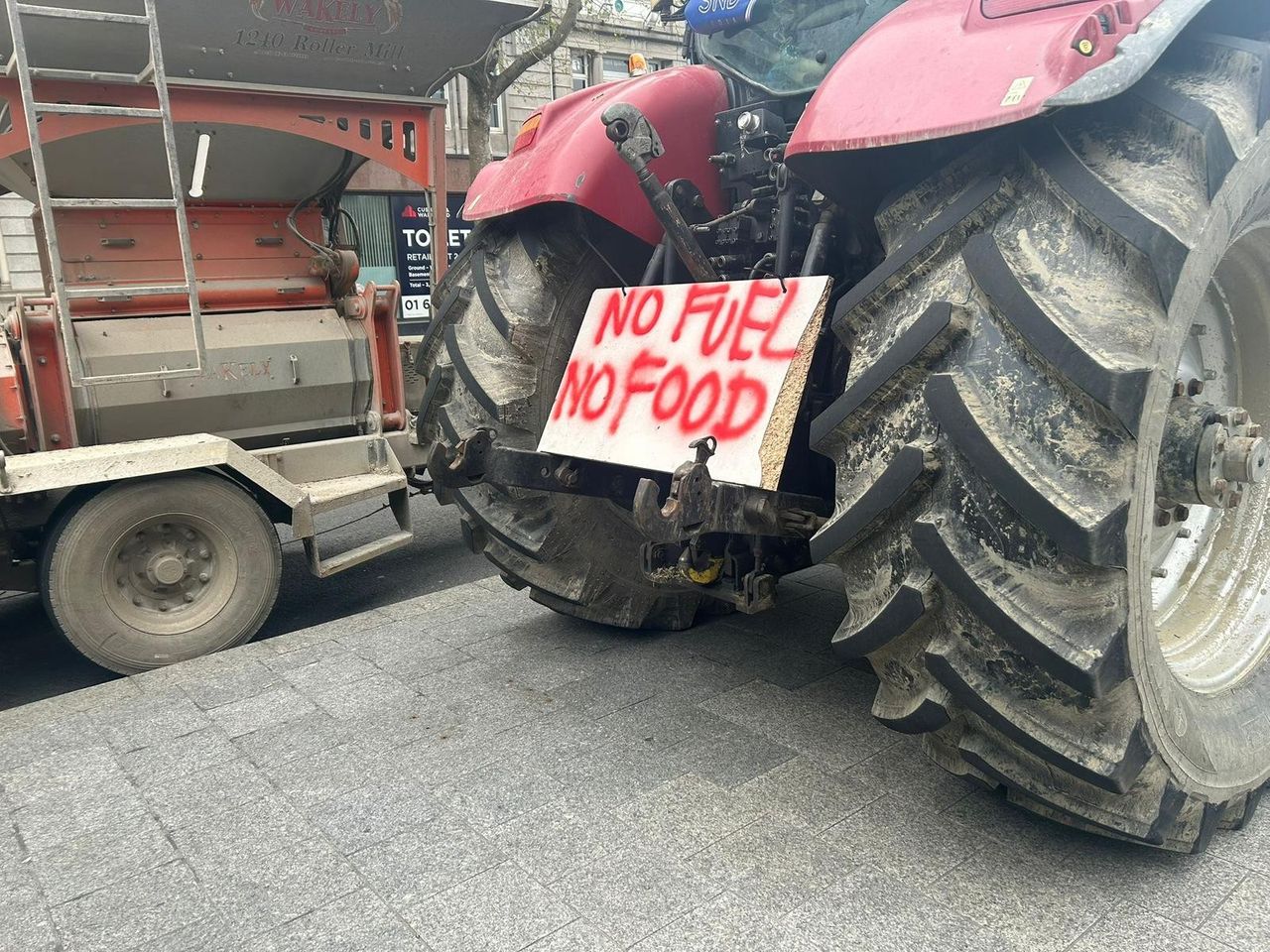
The protests, which began on Tuesday, have seen slow-moving convoys of tractors, trucks, buses and other vehicles and blockades on motorways, roads and ports.
National fuel depots including at Whitegate Refinery and Shannon Foynes Port have been restricted because of blockades, and movement at the sites is extremely limited.
NECG
The NECG brings together all relevant government departments and state agencies to coordinate the response to emergencies.
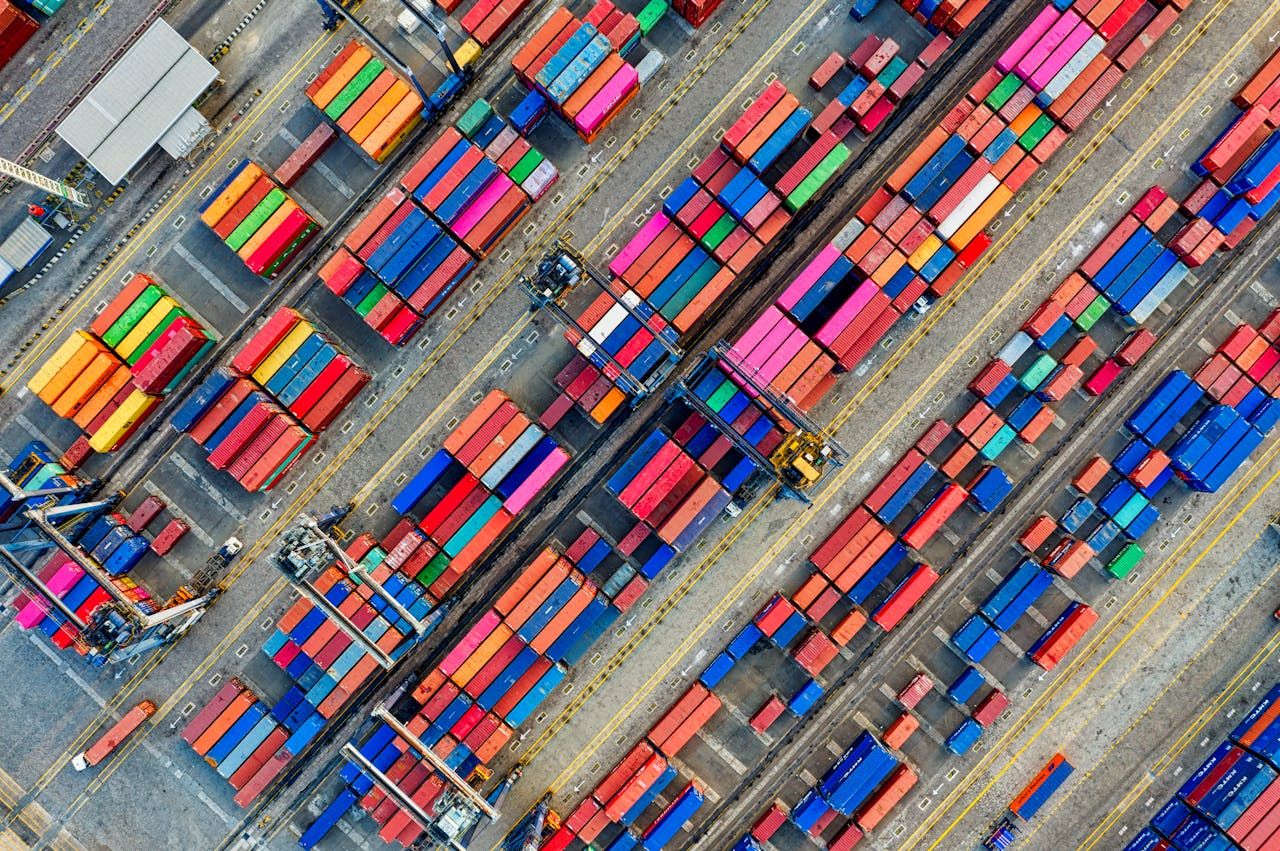
In a statement, the NECG said this evening that storage capacity at some Irish ports is "now becoming a concern and there will be limited ability to offload further containers in some ports shortly".
It said that shipping companies are monitoring the ongoing impact of this on their operations.
"The Department of Climate, Energy, and the Environment continues to engage closely with the fuel sector," the NECG said.
"The Department of Transport is working closely with ports around the country and the wider maritime sector to optimise storage capacity."
Supply chain disruption due to protests
In relation to supply chains, there are "emerging regional challenges" affecting deliveries, primarily due to constrained distributor access to fuel and delays moving goods to and from logistics hubs, rather than stock shortages, the NECG heard.
"Critical supply chains, including pharmaceuticals and time‑sensitive products, are particularly reliant on uninterrupted access to fuel, ports and a mobile workforce in order to maintain 24‑hour operations and reach market," the group said in a statement.
"While key operators in logistics and supply chains have on‑site fuel buffers and are actively managing capacity, ongoing transport disruption is already affecting the timeliness of certain deliveries and increasing operational pressures across the supply chain."
Impact of protests on agri-food
The agriculture, food, fisheries and forestry sectors "continue to be negatively impacted by the ongoing blockades".
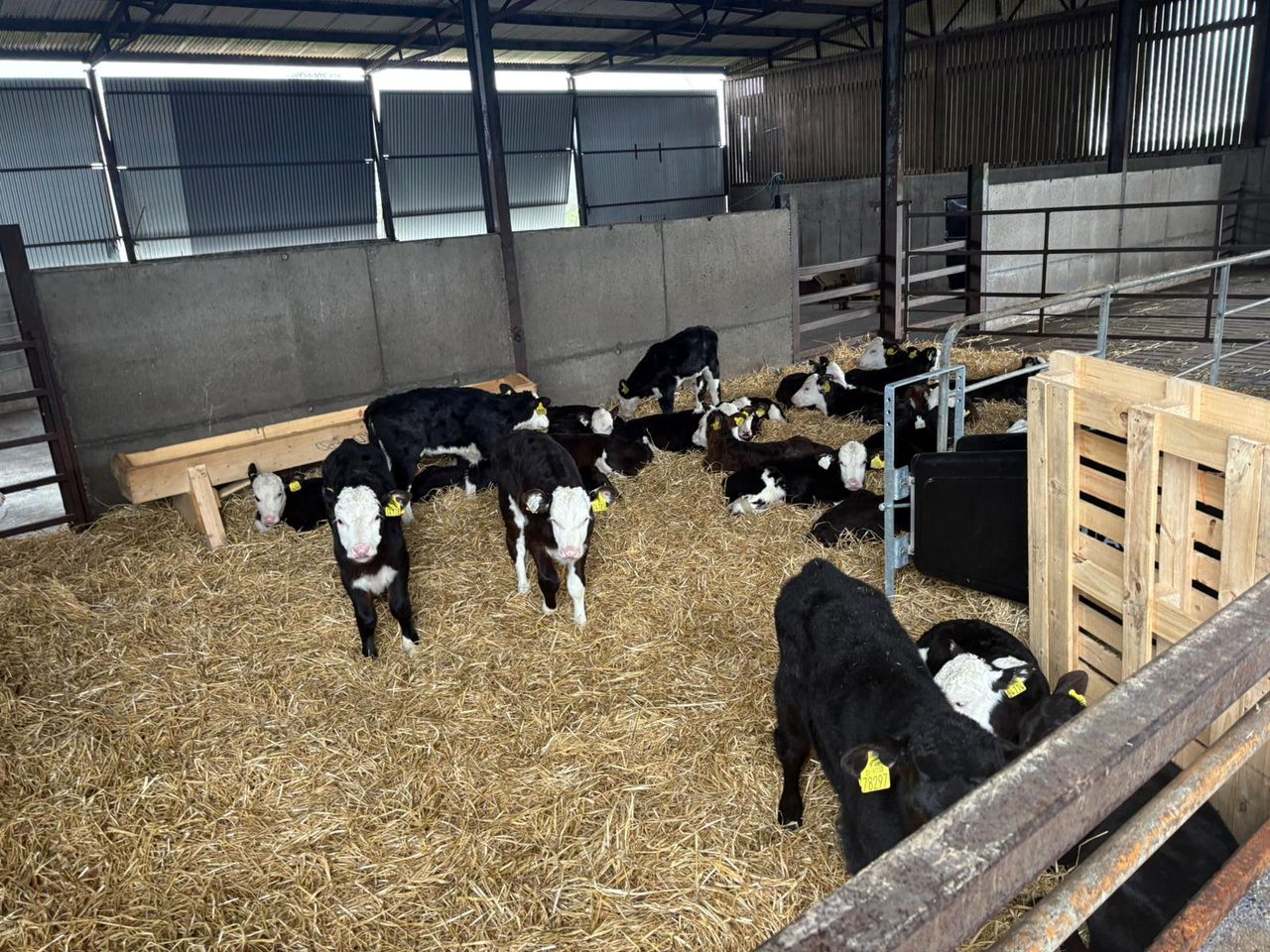
"The disruption to supplies of animal feed and fertiliser remains a significant issue and threatens the welfare of animals, with some mills carrying just three days stock at any given time," the emergency group said.
"There is an increasing threat to the feasibility of milk collections from farms due to disruption of fuel supplies.
"The continued blockage of exports of agri-food produce poses a threat to export trade in a sector reliant on exporting 90% of its production.
"Separately, sawmills are also encountering challenges and the processing in some mills have ceased production due to a lack of materials."
Emergency services
Blockades, along with significant congestion and continued obstruction across the wider road network, are "severely limiting the distribution of fuel and are impeding efforts to ensure that adequate supplies reach emergency services".
Arrangements are in place to ensure that principal response agencies such as the national ambulance service and the fire service can access fuel as required, the NECG said.
In some areas there are service stations dedicated to dispensing fuel to emergency services only.
Due to the ongoing restrictions in supply to retail outlets arising from various blockades and traffic obstruction, the sustainability of fuel supplies for emergency vehicles "continues to be a matter of growing concern as does the ability of staff to report for duty".
"If the current situation continues, the risk of service curtailment will become more likely," the NECG said.
Health services
The HSE is assuring patients that all services are "continuing and operational".
Unless patients hear from the HSE they can assume their appointment is going ahead.
However, there are continued concerns that there could be significant impact on the delivery of healthcare within days unless there is a change in current circumstances.
The NECG heard that there is significant concern for vulnerable people who rely on care in the home, where care workers or usual Meals on Wheels services may have been unable to reach them this weekend due to fuel shortages.
People are encouraged to check in on vulnerable neighbours in their communities to make sure they have the necessary supplies for the coming days.
The Department of Health is closely monitoring the impact of the blockades on the supply of medicines also.
Statement from Garda Commissioner
Garda Commissioner Justin Kelly this evening made a statement on Garda operations in relation to blockades of critical national infrastructure.
"Since Tuesday, An Garda Síochána has worked hard to minimise disruption caused to the citizens of the country," the commissioner said.
"Despite this, some people have decided to escalate an already difficult situation by blockading critical national infrastructure such as fuel depots and refineries.
"This has resulted in fuel shortages that are directly impacting on emergency services such as hospitals, the ambulance service and the fire service, as well as businesses and the general public.
"These are blockades. They are not a legitimate form of protest. They are illegal activity that is endangering our state."
He said these blockades are "putting at risk supplies that are critical for our country".
"These blockades have put An Garda Síochána in an invidious position of having to deploy public order units in order to ensure that hospitals can function, fires can be responded to, and people can be brought to hospital," the Garda Commissioner continued.
"We never want to do this, but the blockaders have left us with no choice. We gave the blockaders fair warning that we were moving to enforcement and they choose to ignore it and continue to hold the country to ransom.
"This morning, An Garda Síochána moved to restore fuel supplies from Whitegate Refinery. We made a number of arrests during this operation.
"In the coming hours and days we will have further such operations."
'My message is clear'
Kelly said operations have "required the deployment of a large number of Gardaí".
"Gardaí who should have been engaged in patrolling cities and towns, community engagement, and investigating crimes such as domestic abuse," he said.
"Instead, because of the illegal actions of a few, much of this valuable work to keep people safe is not taking place.
"We are aware that there has been intimidation of fuel tanker drivers, these are criminal offences, we will not tolerate this and we will investigate all such reports and prosecute suspects.
"Offences such as threats to kill or cause serious harm carry sentences of up to 10 years."
He added: "My message is clear. Blockaders must immediately cease blockades of critical infrastructure and road networks or face the full rigours of the law."
Sixth day of protests
Protestors have already outlined plans for Sunday, which would mark a sixth day of action.
In a post to social media, they have said from 11:00a.m tomorrow, they will be "gathering in towns and counties right across Ireland" for nationwide protests.