Advantage Beef Programme

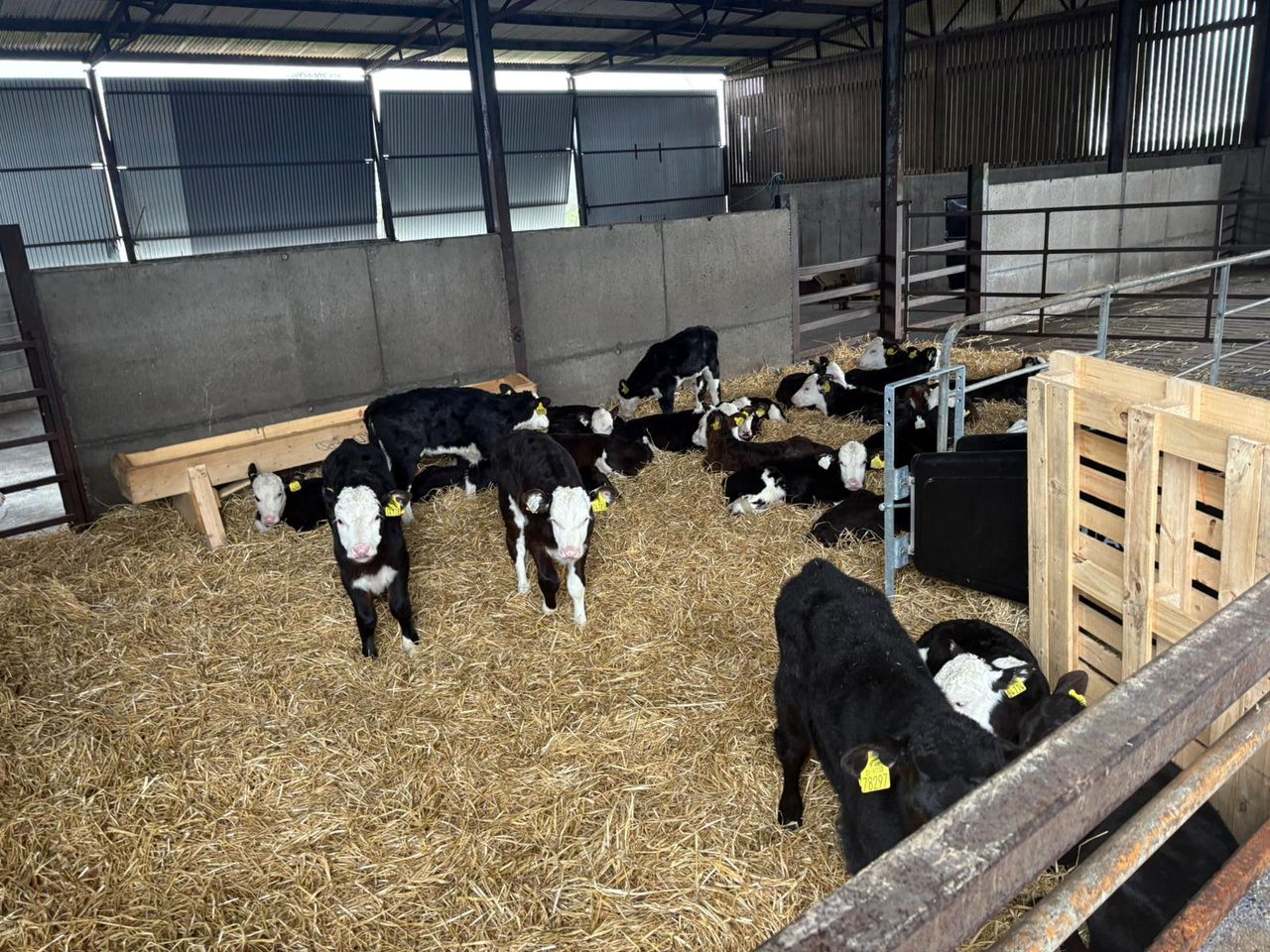
Speaking to Agriland, Matthew Quinn from the ABP Food Group Advantage Beef Programme team explained how things have been going on the farm this spring.
He said that over 350 of the yearling cattle are now at grass on the farm in total.
All yearlings on the farm were weighed and back fat scanned as part of a project in association with Meat Technology Ireland (MTI).
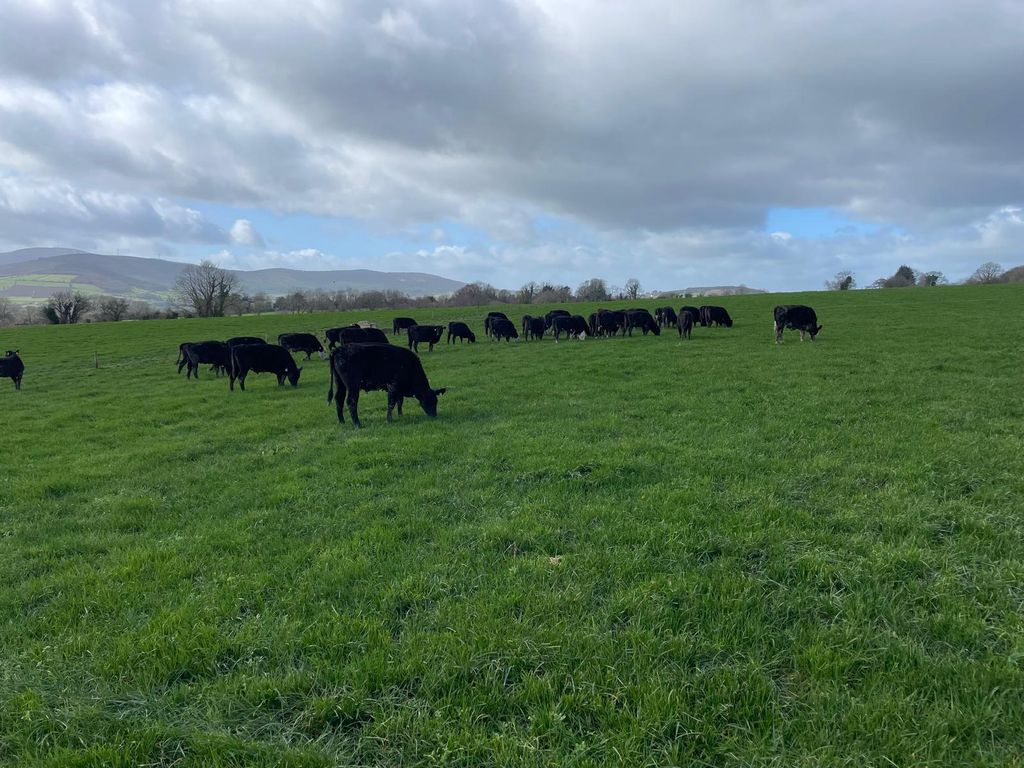
These cattle also got their clostridial booster vaccine shot as well as an injectable trace mineral supplement.
The average weight of the yearling cattle at turnout to grass was 323kg.
The heaviest of the yearling cattle is an Angus bullock weighing 485kg. He was sired by AA9860 Westellen Boss and has done 1.1kg average daily gain since birth.
The farm has been blanket-spread with 30 units of protected urea "to get grass growing for the grazing season".
"Grass is a huge part of the diet on the trial farm and it is utilised as best as possible," he explained.
Weather conditions
Quinn said that weather conditions have proved challenging up to now for managing cattle at grass.
To ensure minimal paddock damage, cattle have been moved regularly to avoid poaching of fields.
The average farm cover is sitting at approximately 600kg dm/ha with a demand at 26kg/ha.
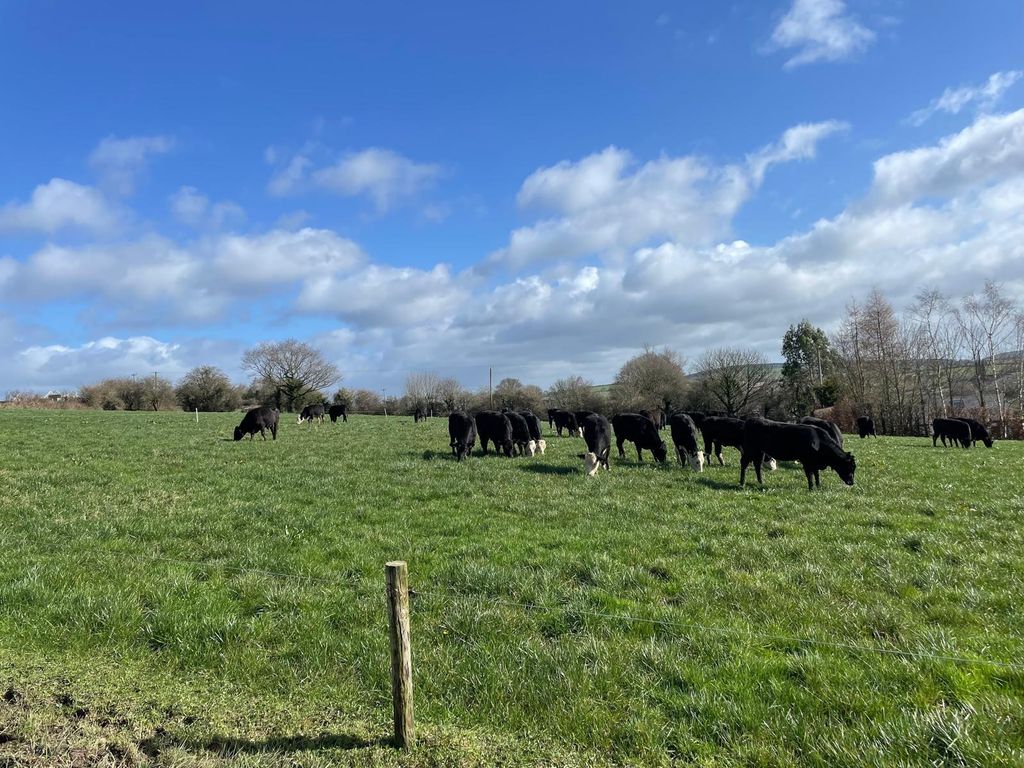
"Weather is still fairly cold at night so grass growing conditions have not been ideal," Quinn said.
All of the silage ground on the farm has been grazed off and received protected urea. Some of the silage ground also received an application of cattle slurry, as required.
"The aim is to cut this around mid-May and secure a crop of high-quality first-cut silage," he said.
2026-born calves
The spring 2026 calf-rearing season is now in full swing on the ABP Demo Farm also.
As of Thursday, April 9, a total of 348 calves have been bought in with additional calves still to be purchased.
The average weight of the calves on arrival has been 59kg to date.
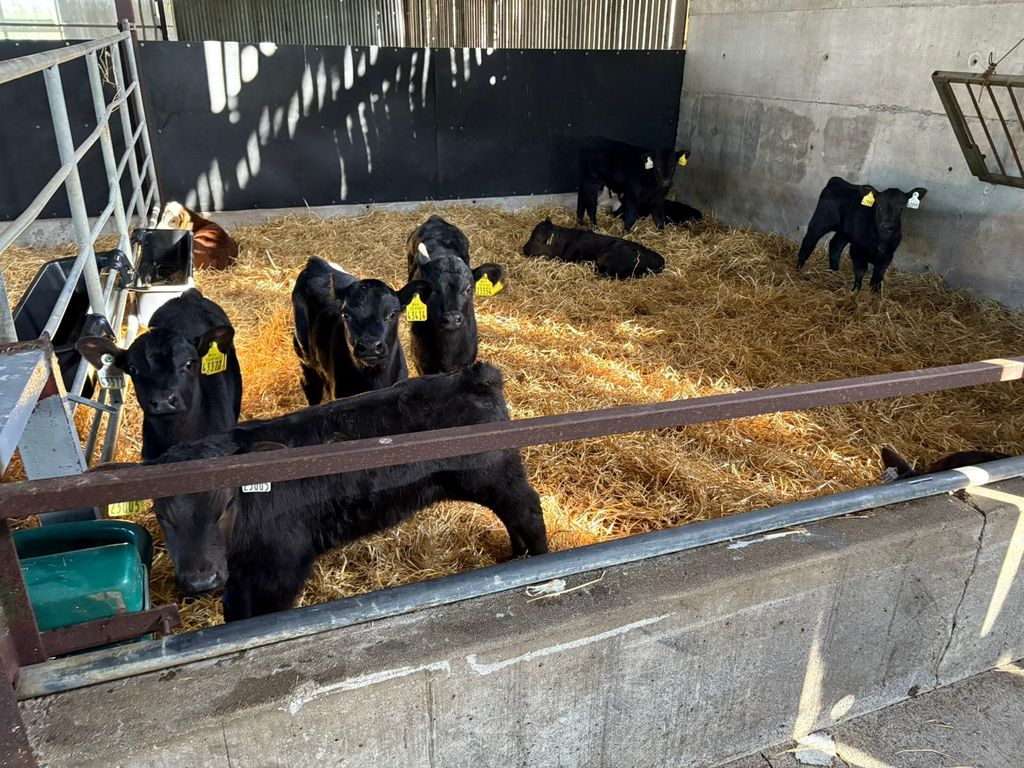
The heaviest calf weighed 82kg on arrival and the lightest calf bought-in weighed 42kg.
Calves get weighed on arrival, at weaning and at turnout to ensure they are making sufficient progress and any calf who is behind will be treated as needed.
Calves are receiving 3L of milk replacer mixed at a rate of 200g/L and have access to calf starter pellets.
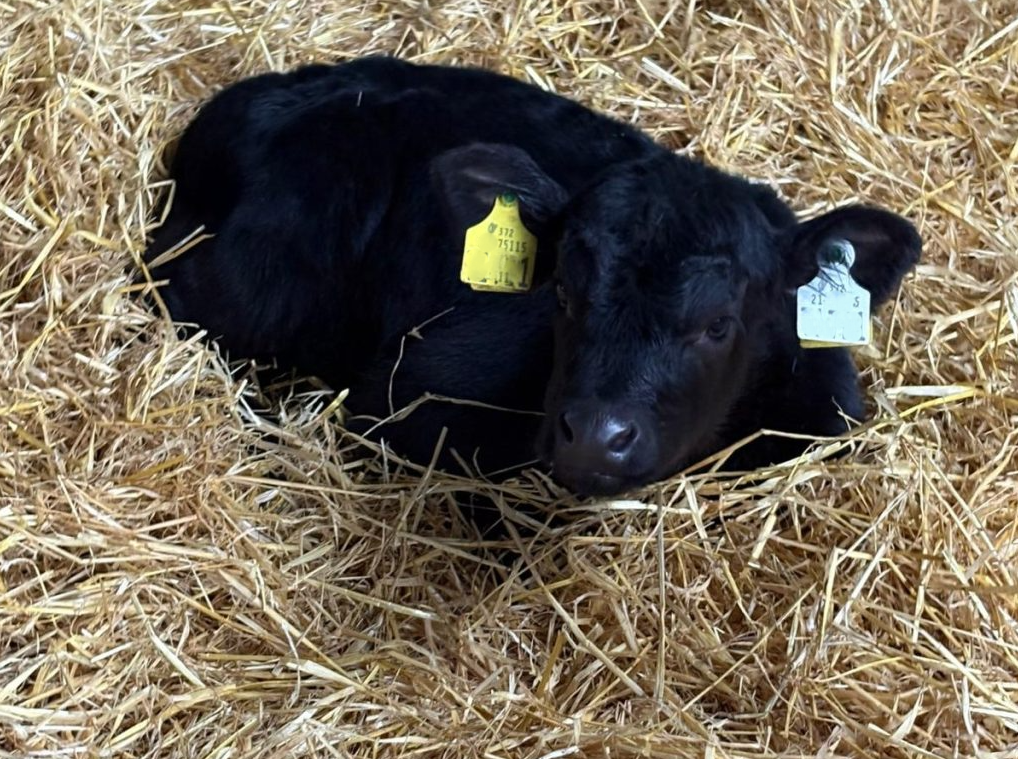
There is also fresh eating straw made available to the calves each day. The access to quality feeding straw is vital for rumen development - along with the starter pellets.
The oldest of the calves are starting to be pulled back to 2L/day.
Once calves are confidently consuming at least 2kg/head/day of concentrates, they will be weaned off milk completely.
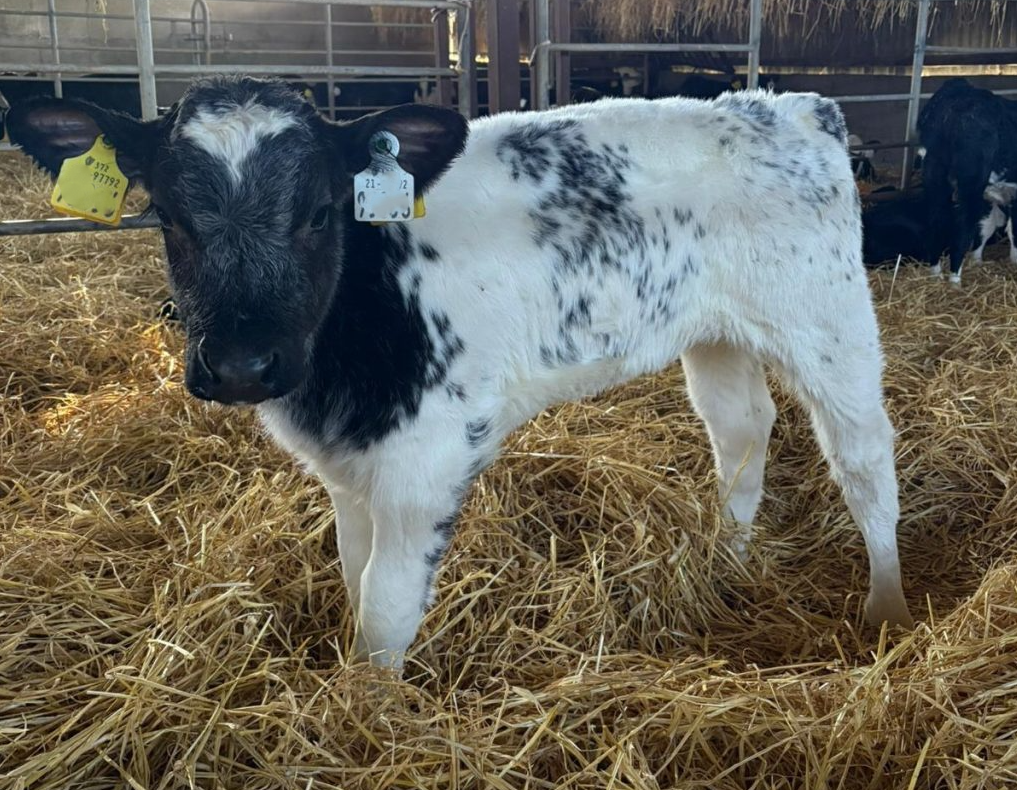
A new addition to the farm for the calf-rearing season this year has been an automatic milk feeder.
This has been installed in one of the calf-rearing sheds and will automate feeding milk for some of the calves.
It is hoped that the automated feeder will make the rearing of these calves more efficient and free up both time and labour.
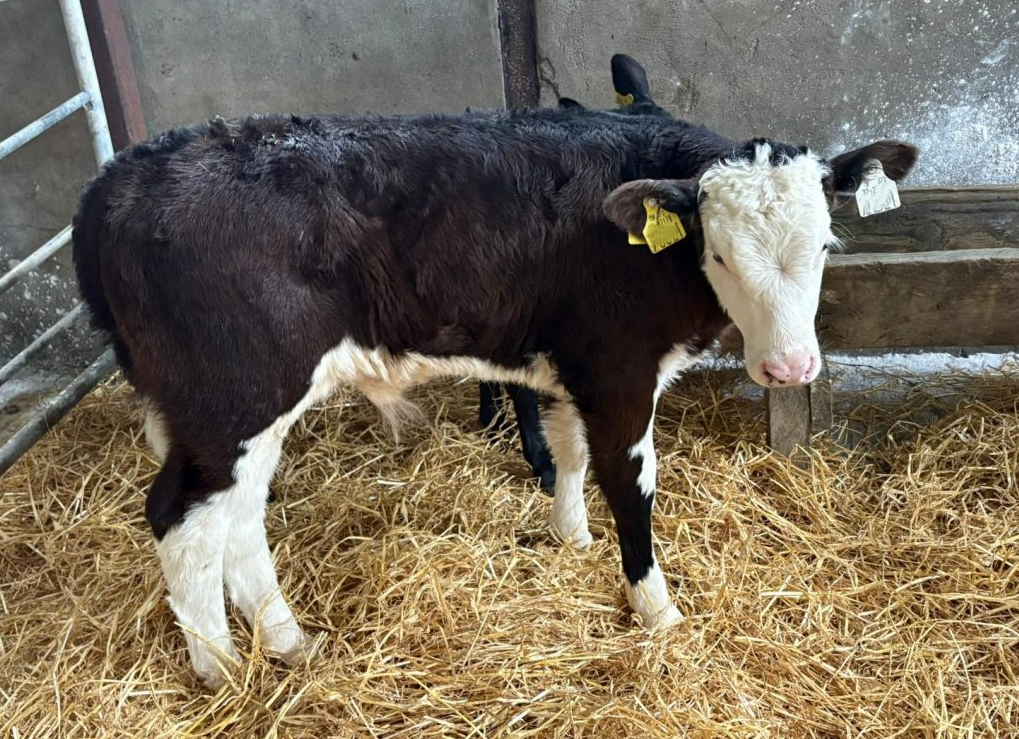
The automated calf feeder has the capacity to feed milk to up to 140 calves "which is a great help in a very busy spring," Quinn said.
Calves on the farm have received their first pasteurella pneumonia vaccine and clostridial vaccine.
They will receive their second shots of both once they are 3/4 weeks on the farm.