Chefs get a flavour of Cork as tour kicks off at organic farm

European chefs are getting a flavour of Co. Cork as a farm and food tour takes place across the county this week.
17 French and Belgian chefs began their trip at the organic farm of Kay O'Sullivan in Mourneabbey, near Mallow.
On the Bord Bia-hosted trip, west Co. Cork was also in the itinerary for day one, and the chefs visited Clonakilty Blackpudding and Clonakilty Distillery, learning about the history and production methods of the unique products.
A key aim of the trip for the chefs, they said, is to learn about where the Irish food they serve to their guests in their restaurants comes from.
Chefs' Irish Beef Club
The Chefs' Irish Beef Club is an exclusive international forum which brings together some of the leading chefs from Europe and beyond who collectively endorse Irish beef.
The club sees award-winning chefs give pride of place to Irish beef by serving it in their restaurants, which are amongst some of the finest dining establishments in Europe and further afield.
Their preference and advocacy for Irish beef enhances its reputation and helps to position it as a premium product across the continent, according to Bord Bia.
The club has over 90 member chefs spread across nine chapters in Belgium, France, Germany, Italy, Japan, the Netherlands, Sweden, Switzerland, and the United Arab Emirates.
Membership to the club is by invitation only.
As part of the club, members get opportunity to learn about how Irish beef is raised and cared for by farmers.
On their visits to Ireland, they witness the grass-based agriculture that characterises Irish beef production, and this creates a "special relationship and an understanding" of producing sustainably.
Organic beef and sheep farm
The group visiting Ireland this week, which includes Michelin star chefs in its line-up, kicked off the three-day tour of the rebel county at the beef and sheep farm of Kay O'Sullivan in Mourneabbey, near Mallow.
O'Sullivan is an award-winning farmer, running a suckler-to-beef system combined with a lowland ewe flock.
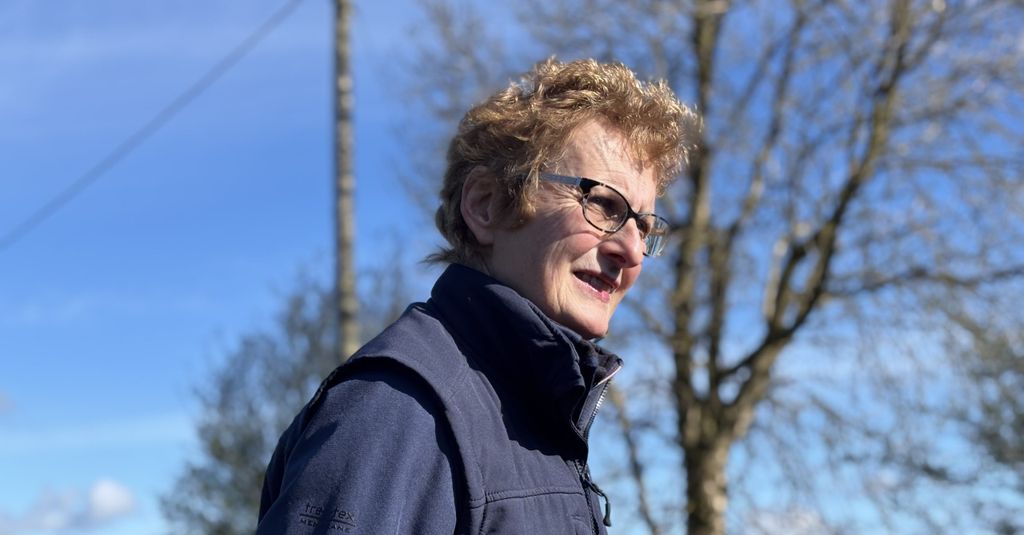
She has been fully organic for the last 16 years.
Her farm consists of around 63ha owned in one block.
Of those, 44ha are permanent grass. There are 6ha of red clover, 2ha of redstart and around 11ha of forestry.
Strength of grass-based
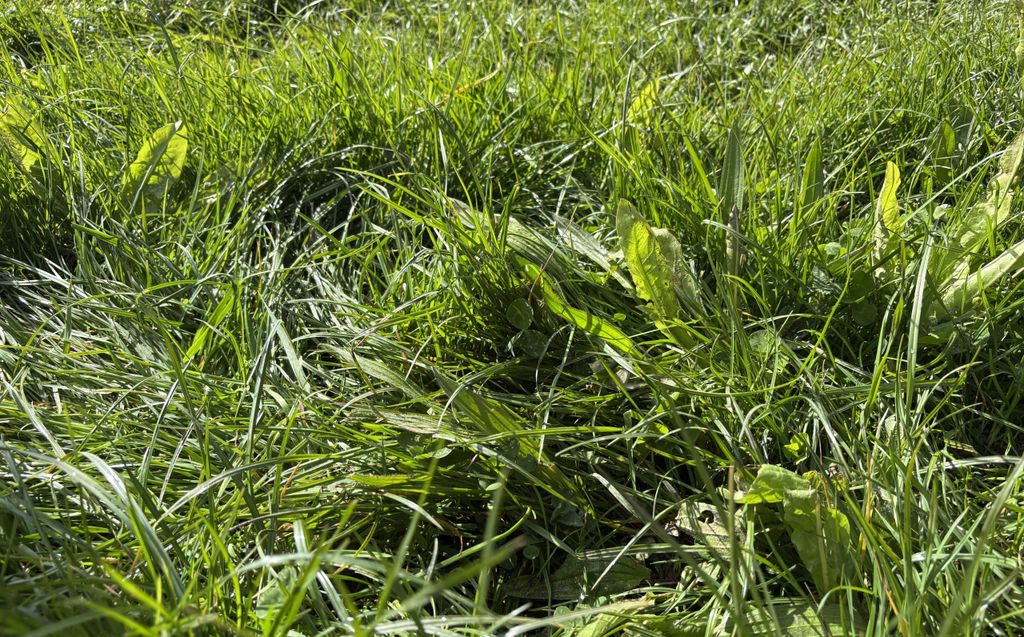
O'Sullivan told the chefs that a key strength of the farm is the grass-based system and the use of multispecies, which has plantain and chicory in the mix.
"I finish my cattle off a complete grass-based system," she said.
"The cattle are out-wintered on redstart - a cross between kale and rape and they also have red clover silage, and multispecies silage."
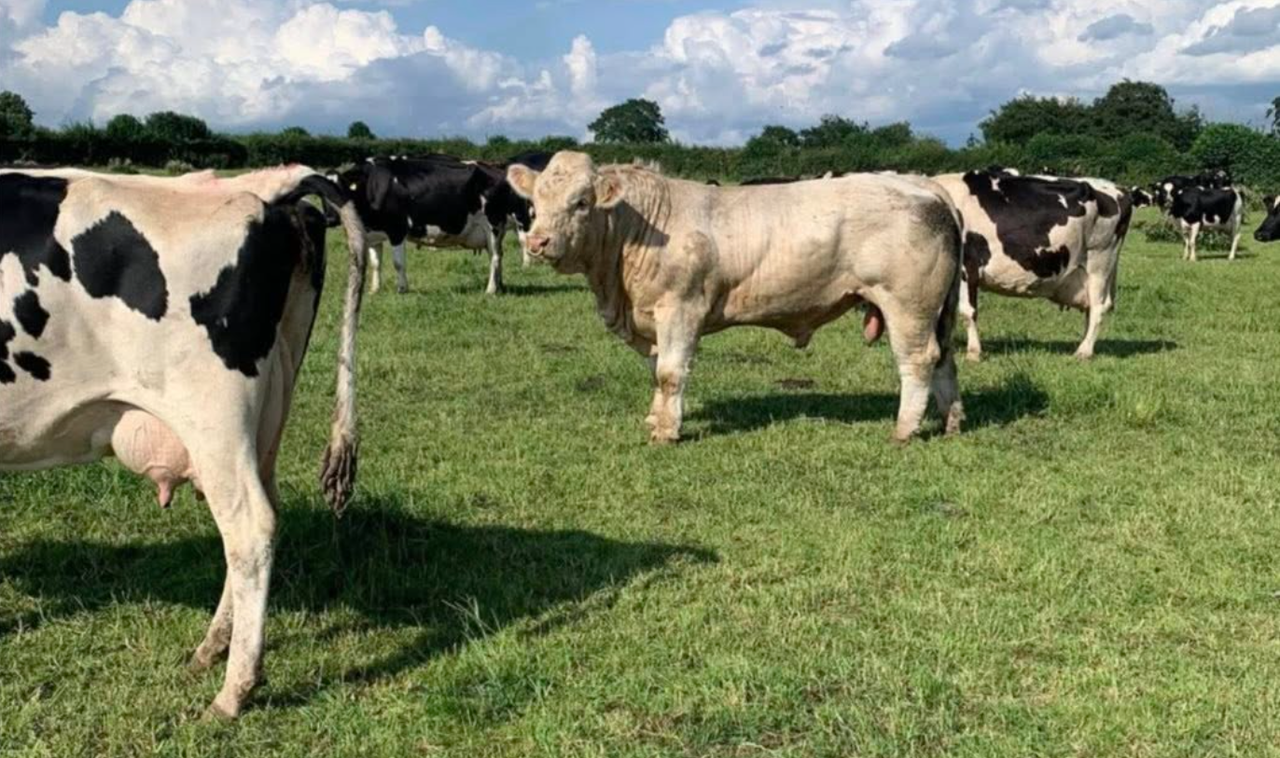
The main breed O'Sullivan has on the farm is Angus. She explained to the chefs that she chose Angus because of their ease to finish, docile nature, and easy calving.
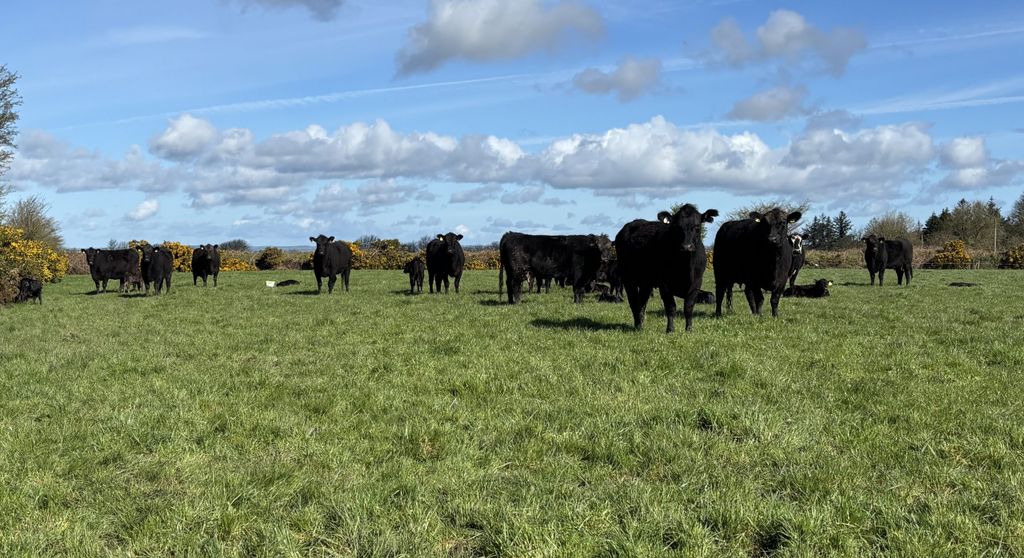
100% artificial insemination (AI) is used for breeding, primarily using Angus genetics.
She said calves stay with the cows until weaning which normally is around eight or nine months.
O'Sullivan puts the weaning paddle on the calves’ noses and leaves them with the cows, a process that allows for “stress-free weaning”.
"The calves are then moved away from the cow and moved on to the redstart for out-wintering," Kay explained.
“There is no meal fed whatsoever on this farm, the weights off of the redstart would be absolutely brilliant, we get a great weight gain out of it.”
The best of her heifers are retained for breeding, and any surplus will be finished at hopefully 18 or 19 months this year, similar to last year, O'Sullivan said.
The multispecies mix on the farm is made up of chicory, plantain, grasses, and clover.
“I find it is brilliant for finishing both cattle and sheep. It has an anthelmintic property in it, meaning that you probably have less dosing as a result," she said.
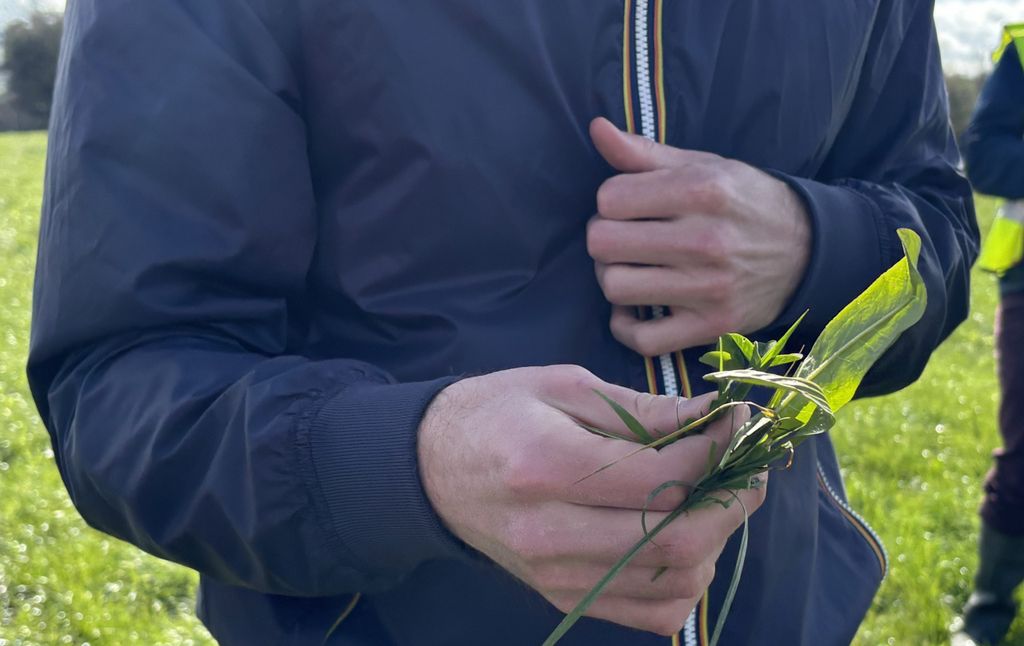
“On a year of a drought, when you would have no grass, because there is a long taproot in plantain, that’s the plant that keeps giving."
Over the years, a lot of new hedgerows have been planted on the farm too, O'Sullivan said.
"There is nothing trimmed back, it might get a very light side trim every three to four years.
"The hedge is allowed to grow up and that would be more for biodiversity, for birds as well," she said.
Supply of organic beef
John Fennessy of Good Herdsmen explained to the visiting chefs that its supply of organic beef comes from steers and heifers slaughtered under 36 months.
They must all be Bord Bia Quality Assured (QA) and fully organic.
Good Herdsmen has two processing sites, one in Cahir, Co. Tipperary, and in Clones, Co. Monaghan.
He told the group: “What we look for is an animal between 250kg and 450kg cold weight, with a fat score of two, three or four.
“The ideal carcass-weight for our customers would be 320-330kg.”
In terms of customer base, it supplies a lot of the retail in Ireland and also supplies companies from the UK, France, Belgium, the Netherlands and Germany and more.
“We supply all the main prime cuts," Fennessy said.
He added that Kay "takes real passion in what she does and that’s very important for us. The cattle are very content".
Ambition to grow organic
Bord Bia senior manager of meat and livestock Joe Burke said that stakeholders involved in organics have an “ambition to grow organic production, but also to grow the market over the coming years”.
“We’re often asked, are the two products in competition with one other – our QA Irish beef, conventional product, and our organic product?" Burke said.
“But in both sectors we have to export nearly 90% of what we produce – so they’re not in competition with each other, we have to find markets for both of them.
“Organic, being a little bit more premium, at a slightly higher price point, there is more of a focus in terms of that promotion. It’s coming from a low base but we still feel that there is ample opportunity for us to grow.”
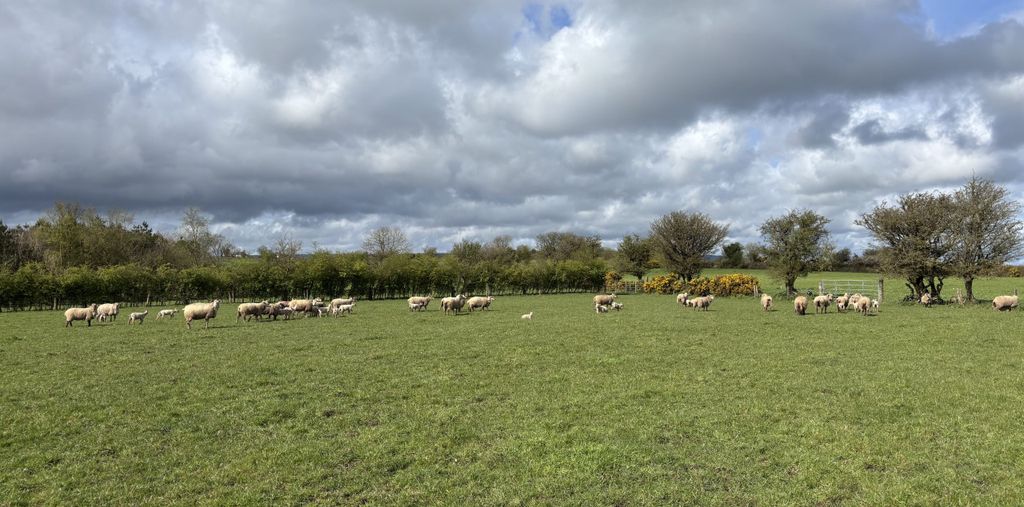
He added that “we are very confident that we have the right ingredients to produce organic beef and lamb in Ireland”.
“It complements very much our practices and our resources and obviously our producers are very passionate about it.
“We are very confident that we will even have more organic beef and lamb in a few years’ time, that many of the producers have only come into production in the last few years and have just gone through the full conversion period to be now fully certified organic," Burke said.