Yellow rust a 'real yield robber' in winter wheat crops

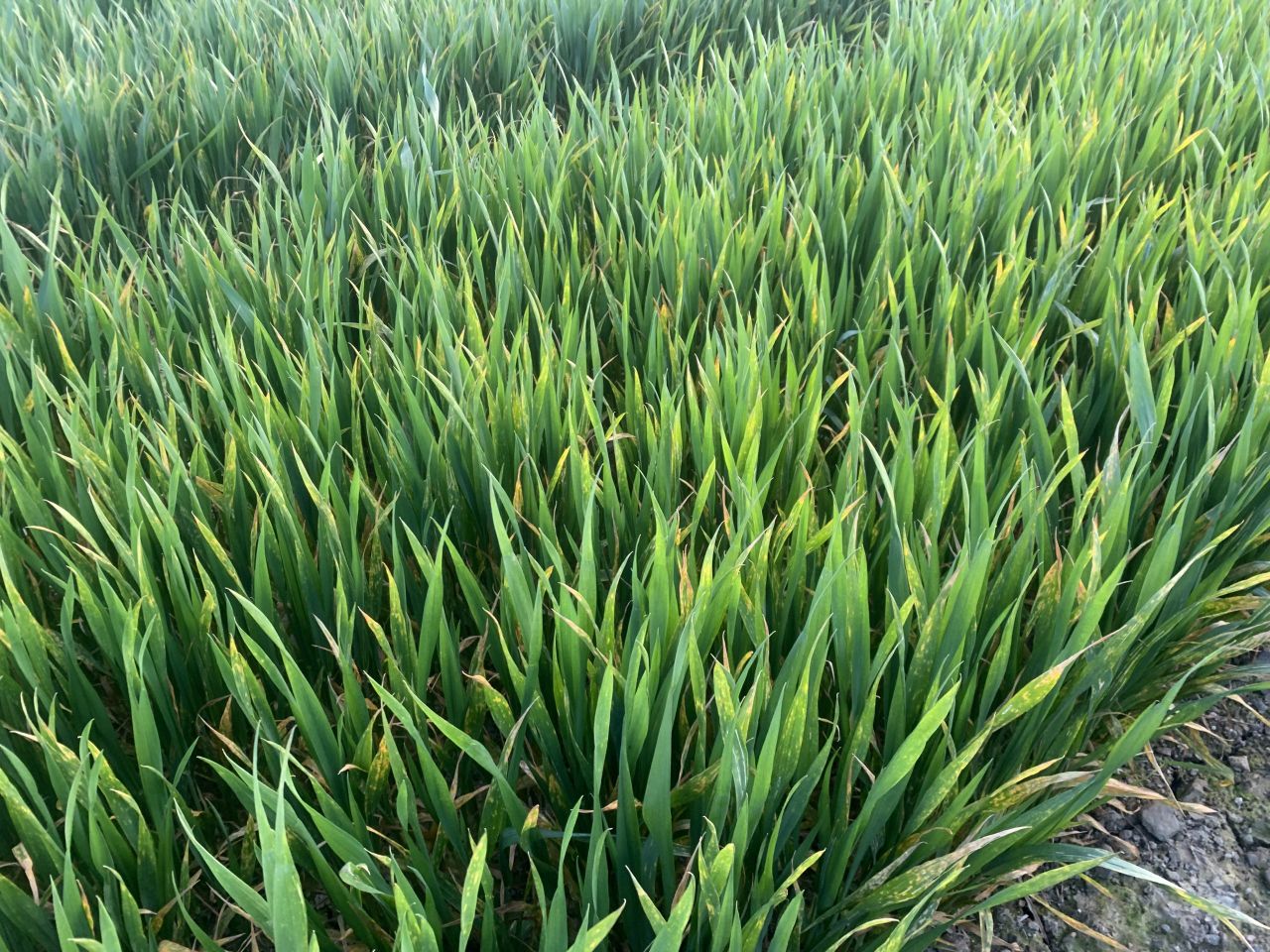
The significant scale of the yellow rust challenge throughout the north-east has been highlighted courtesy of a recent Teagasc crop walk.
Drummonds’ agronomist, Brian Reilly highlighted the issue at the event, which was held at the company’s cereal and oilseed trial site close to Termonfeckin in Co. Louth.
He said: “The issue of yellow rust in wheat should have been addressed three weeks ago with a T0 spray.
“But for those growers who didn’t manage to get that matter addressed back then, it’s imperative that a T1 spray mix contains a fungicide that will deal with yellow rust.
“The disease is a real yield robber. All varieties of winter wheat are susceptible to it.
"However, it can be easily managed, provided an effective fungicide is applied to crops at the right time."
Drummonds will be demonstrating trial wheat varietal plots that have been treated and non-treated for yellow rust at an open day planned for later in June.
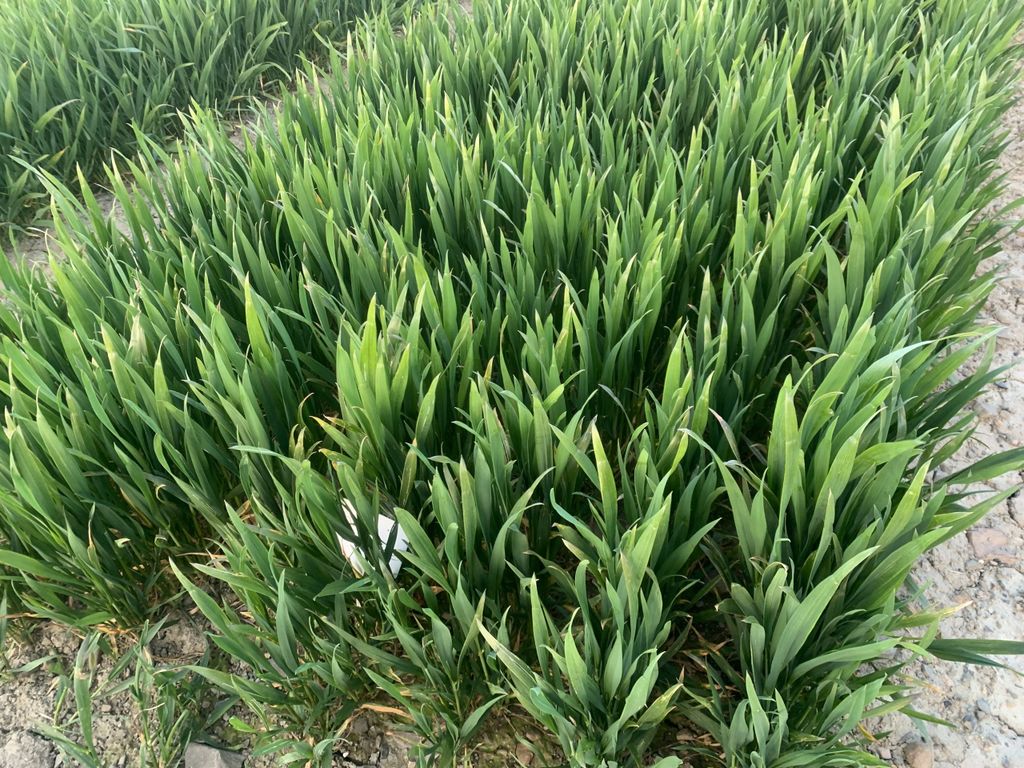
Minimising the number of spray applications applied to growing crops was one of the themes discussed at the recent Teagasc/Drummonds event.
Reilly explained: “Every time a fungicide or herbicide spray is applied to a crop, growth is set back for a number of days.
“And this can all add up in terms of the yield reduction that is generated.”
Teagasc tillage specialist, Shay Phelan, fully endorsed this point, adding: “This is a key reason why tillage farmers should opt to apply pre-emergent herbicides whenever possible.”
Septoria
Meanwhile, septoria remains the key fungal disease of winter wheat crops grown in Ireland.
“It’s important to get good fungicide control at the leaf three stage, “Phelan commented.
“If this can be achieved, it means that the flag leaf will emerge into a disease-free environment.
“The flag leaf accounts for 50% of a wheat crop’s total yield potential.”
Brian Reilly agreed, adding that all sprays applied at the flag leaf stage should be timed to coincide with their full emergence.
The current spell of dry weather will help to keep septoria levels down. But it will still show up, especially in more susceptible varieties.
This is because the lower levels within a crop constitute a sump for the fungus.
Any gaps or weaknesses in fungicide programmes will be exposed, even in a relatively dry season.
This highlights just how much of a threat septoria continues to be in Irish wheat crops, regardless of weather conditions.