Winter wheat: Considerable variation in crop development

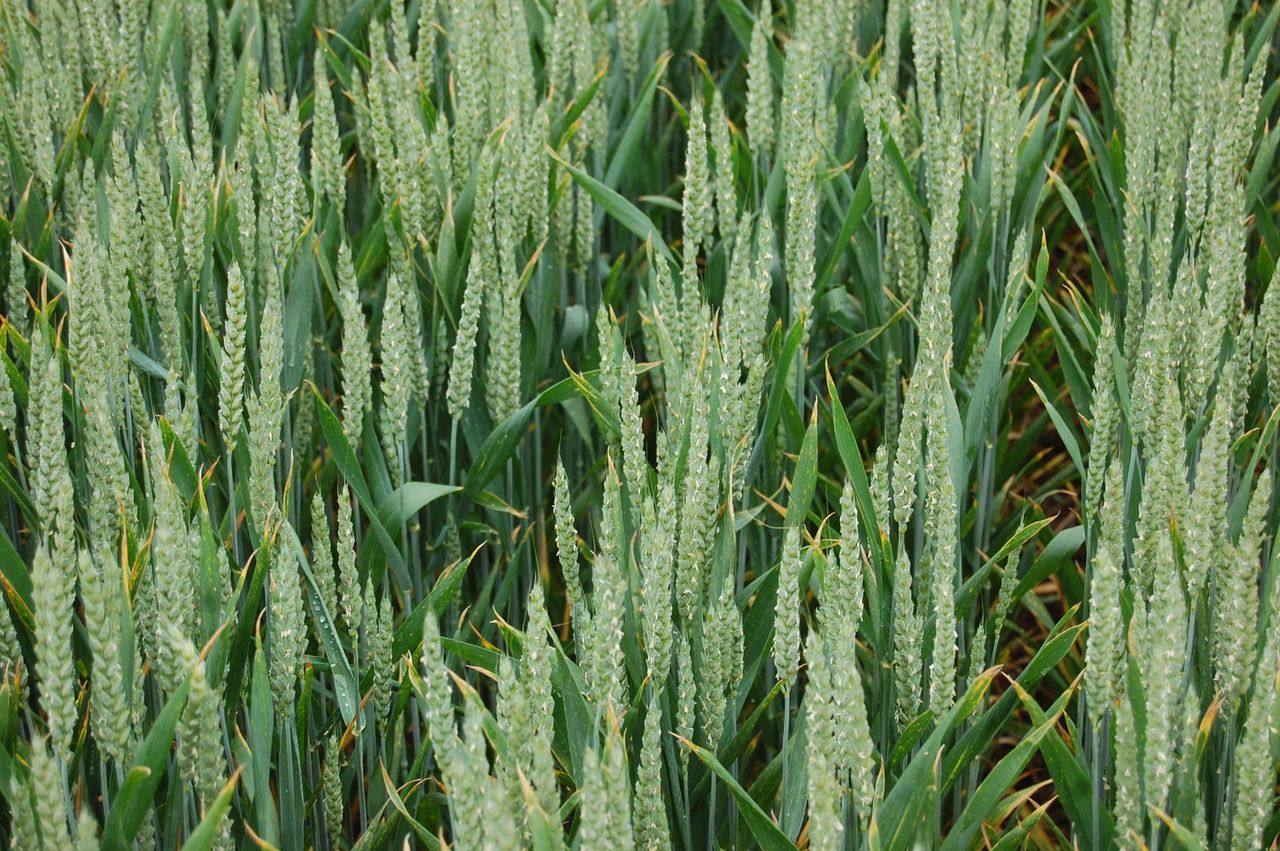
Teagasc advisers are indicating that winter wheat crops are currently progressing through stem extension, with most ranging between Growth Stage (GS) 31 and GS32.
However, there is considerable variation in development, particularly when assessed by leaf emergence.
Crops range from leaf 4 just emerging through to leaf 3 almost fully unfolded, especially in earlier maturing varieties such as LG Rebellion.
This variation highlights the importance of monitoring crops closely rather than relying solely on growth stage.
There are a few reports of Barley Yellow Dwarf Virus (BYDV) in winter wheat. While infection levels vary, this is a concern given that, unlike winter barley, there are no tolerant wheat varieties available.
As a result, some level of yield penalty is likely where infection is present, particularly in more heavily affected crops.
Winter barley
Winter barley crops are showing a wide variation in growth stages at present.
Later sown crops are around GS31, while earlier sown and earlier maturing varieties such as Integral and Joyau have already reached flag leaf emergence.
Over the past few weeks, a significant level of BYDV has become evident in crops and is now a notable feature in many crops. In terms of disease, overall levels remain relatively low at present.
Brown rust, which was the predominant disease earlier in the season, has generally been well controlled by earlier fungicide applications.
Spring oilseed rape
Meanwhile, winter oilseed rape crops are expected to have a prolonged flowering period in 2026.
Some variation in the start of flowering is normal due to factors such as pigeon grazing and differences in establishment.
Earlier or ungrazed crops are already well into flowering, while later crops are only just beginning.
An early start to flowering normally results in a longer flowering period overall.
Winter oats
Winter oat crops are currently ranging from GS32 through to GS37 (flag leaf just emerging).
In general, crops are clean, although there is some evidence of old mildew infection carried over from the winter in places.
Wet weather has delayed the optimum GS32 timing for PGR application in some crops.
This should now be the priority, as GS32 remains the most effective timing for reducing lodging risk.
Spring beans
Most spring bean crops are now planted, with the overall area expected to be similar to 2025.
Establishment to date is good with little damage from crows. Attention is now turning to early crop management.