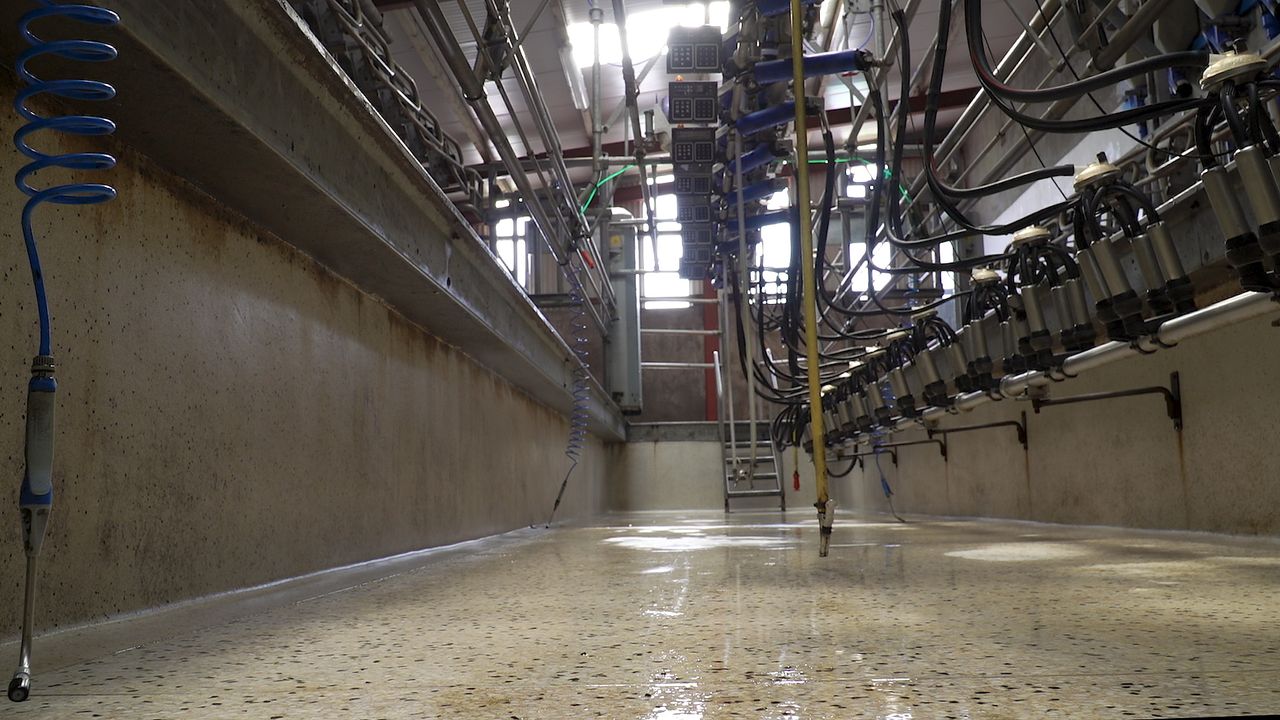
Getting the stock bull ready for breeding

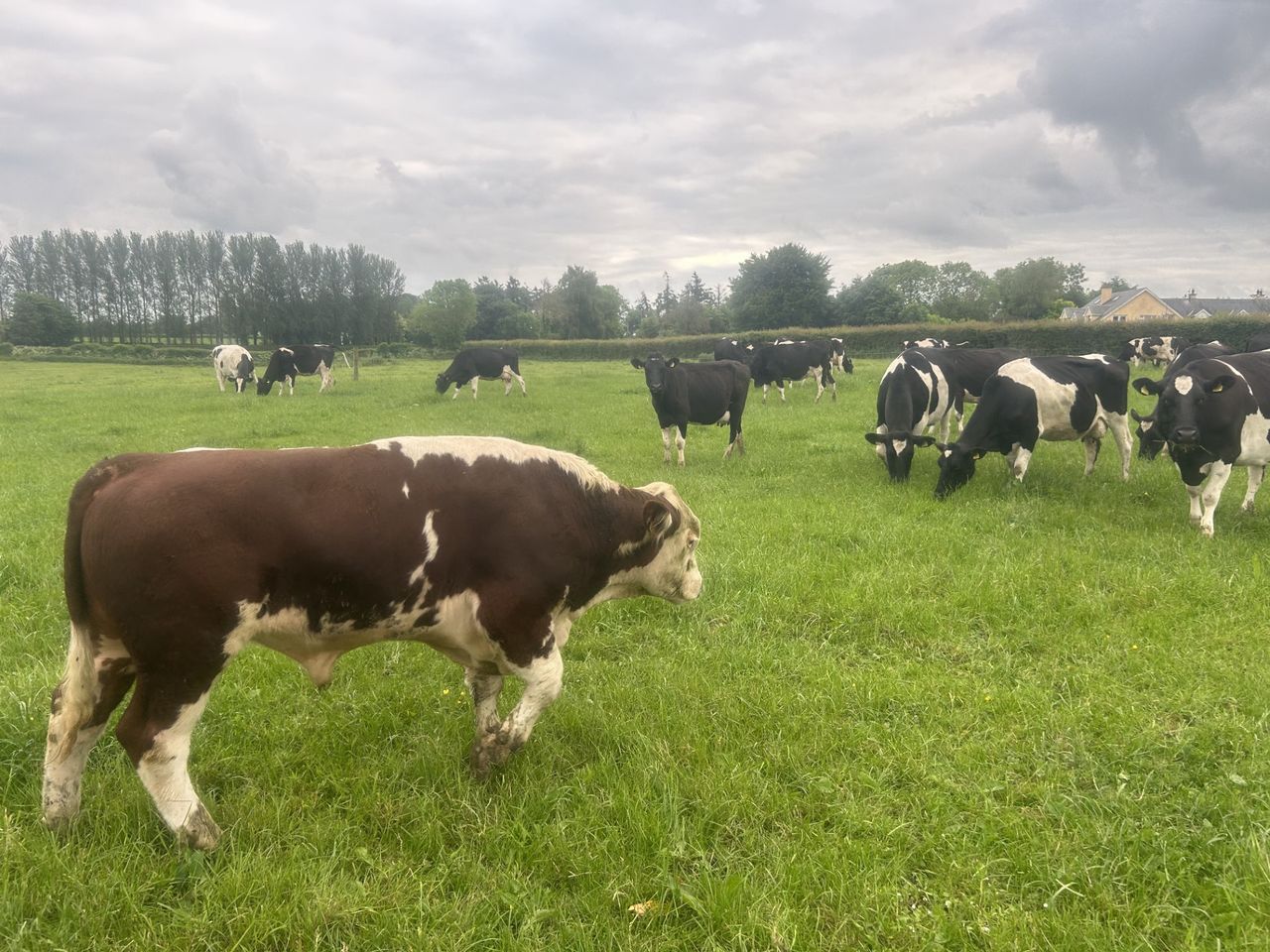
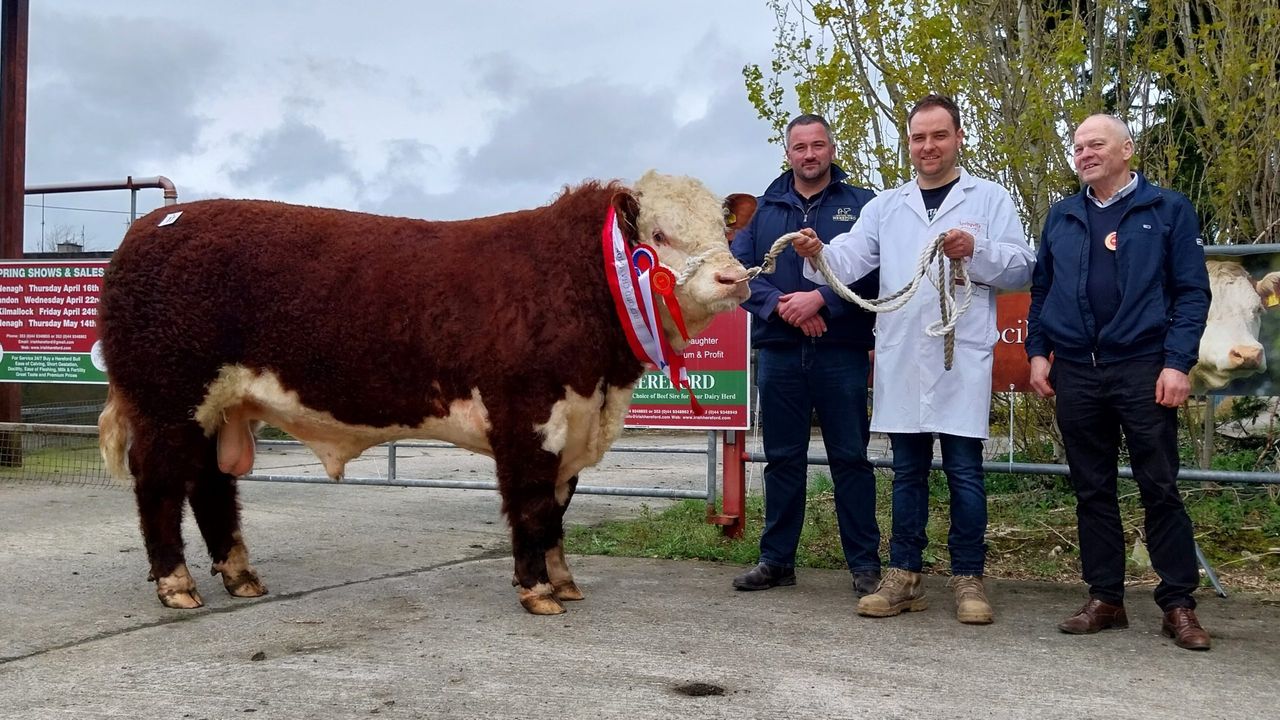
Nowadays all the talk ahead of the breeding season is about artificial insemination (AI) and sexed semen, but we cannot forget about the stock bull.
With the advancements in breeding technology over the last number of years, a lot of farms have moved to 100% AI and no longer require a stock bull.
However, plenty of farms are still using a bull, whether it is for breeding or just for teasing.
Despite there being an increased risk with having a bull on the farm, they can still easily hold their place with a number of benefits attributed to them.
Ultimately the decision to have a bull or not will be made on an individual farm basis, but if you do have one there are a number of things that should be done before breeding gets underway.
Stock bull
Before the breeding season kicks off, any stock bulls on the farm should be fertility tested.
It could be a disastrous season if you trust a young untested bull to go in and mop up heifers or cows, as an infertile bull will mean plenty of empties when scanning comes around.
If you have just bought the bull for the upcoming season, he should have been fertility tested before being sold, but it may be no harm to have your own test done if you are unsure.
If you are using the same bull as last year, it is also no harm carrying out a fertility test again this year even if he did a good job, as there is a wide range of things that could impact on a bull’s fertility and result in him becoming infertile or sub-fertile over the last 12 months.
Again, the 'ah, he will be grand' attitude could be costly as it will take at least three weeks from the start of the breeding season to notice any problems, if not longer.
Purchasing
Spring-calving herds that buy in bulls may be looking at what is on offer now while there is a slight lull between calving and breeding.
While doing this, there are a number of considerations to take into account before getting the cheque book out.
Obviously, you will need to look at the herd size and consider how many bulls you need, and whether or not one will be joining the maiden heifers.
Once you know how many bulls you need, it will be time to look towards what breed will suit the herd.
When purchasing a beef sire for use on dairy cows, gestation and ease of calving are some of the most important factors to consider.
Angus typically suit these criteria, which is why we see plenty of them coming out of dairy farms.
But there is no harm at looking at what else would suit the herd and generate high genetic merit off-spring, especially with the way calf prices are.
Tools such as the Dairy Beef Index (DBI) and commercial beef value (CBV) can be useful when breeding this spring, as that is what a lot of calf buyers are looking at now.
The health status of the bull being purchased is another very important factor that should not be skimmed over, especially relating to feet.
When buying a bull, make sure to leave enough time for an isolation period and for vaccination before he gets to work breeding.
Decisions should be based on figures and not just looks, as the end goal is to have an animal that produces calves to sell and cows milking in the parlour.
Safety
Remember, it does not matter how timid a bull is, they can all turn aggressive in the blink of an eye, especially during the breeding season.
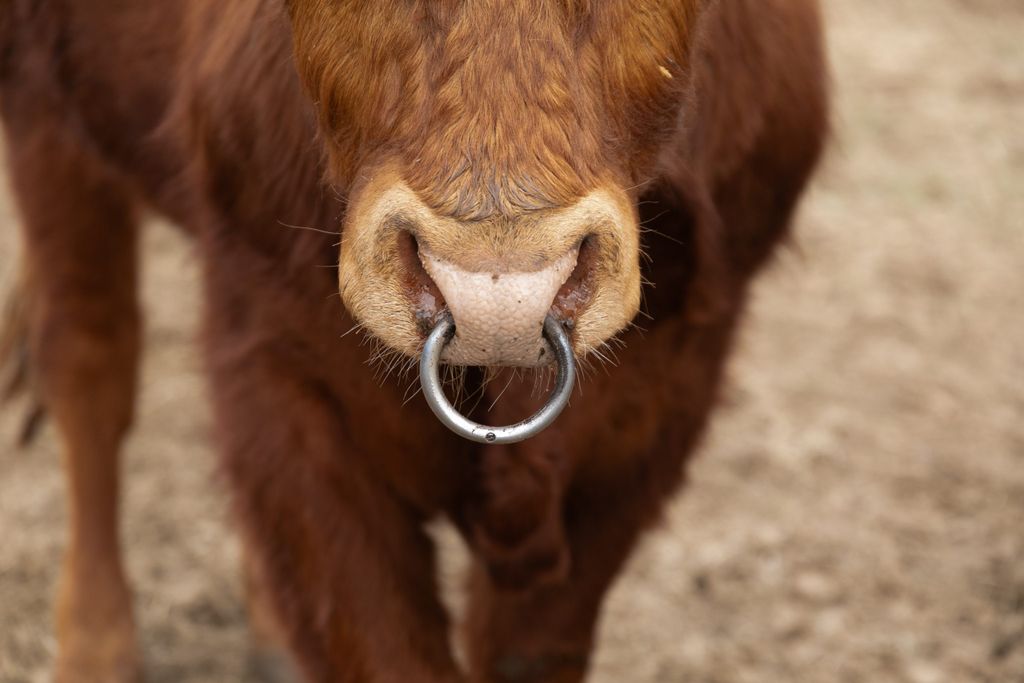
That is why it is a legal requirement that a bull is ringed when they are 10 months-of-age.
Ideally, a chain should be attached to the ring when you are first turning a bull out to grass, whether he is a farm veteran or a new purchase, as it will give you some chance of control if the bull tuns aggressive.
Once the bull has been turned out to grass, you should continue with AI for about a week afterwards out to give him time to get up and running.