TB: 'Utter confusion' around new rules at marts - ICMSA

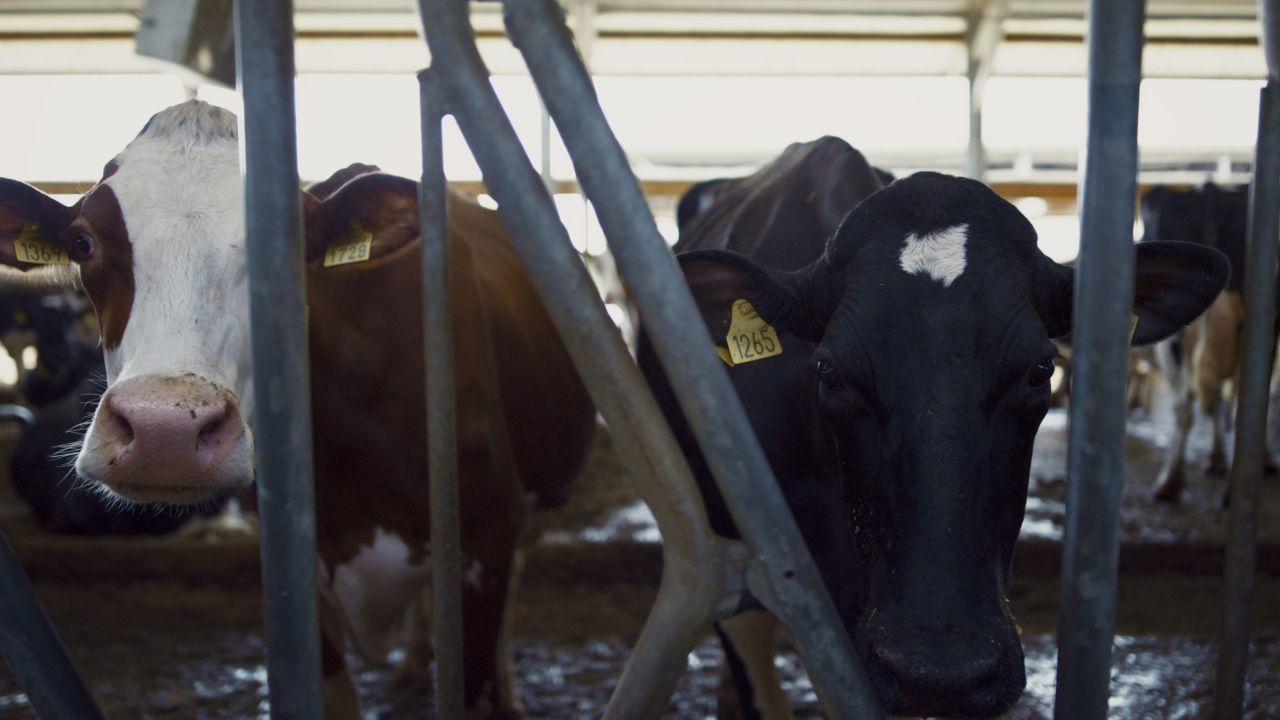
There is "utter confusion" around the new TB rules which are now in force at marts around the country, according to one farm organisation.
As a result of the government's new TB Action Plan, farmers have seen significant changes on how cattle can move through livestock marts.
For farmers who are selling cattle, the animal is assigned to one of three groups so that it can be presented for sale.
The Animal Identification and Movement (AIM) system then notifies the mart of this animal's specific grouping.
For farmers buying cattle, the herd is also be assigned to a group. This group then determines what animals you are eligible to buy, see more on this here.
However according to the Irish Creamery Milk Suppliers' Association (ICMSA) there is "growing anger" among farmers over the new rules and how it is impacting on them.
TB
Eamon Carroll, ICMSA deputy president, said there is "utter confusion" around the new requirements in marts and he is calling for "changes and clarifications" particularly in relation to the online compliance certificate.
Carroll said the farm organisation has been "inundated with queries around the warning at the top of the compliance cert that is issued when a purchaser and a seller are completing a sale".
He added: "The warning displayed highlights that H animals in a herd are high risk by stating that H - this animal was in an exposed cohort in a high-risk breakdown - leading many farmers to assume that the animals concerned were from a high-risk herd and pull out of the sale.
"But the department has confirmed that this wording is just a warning and that if the animal is deemed high-risk, then the H will be after the ID of the animal.
"In that case, why put this carelessly misleading designation in at all?"
According to Carroll the entire process "is unfairly confusing" for farmers who then assume they have a TB issue, when that is not the case.
The ICMSA deputy president said the organisation has repeatedly stressed to the Department of Agriculture, Food and the Marine (DAFM) that any warnings or restrictions should be "carefully identified and specific".
Carroll said if warnings and restrictions are not specific they run "the risk of undermining necessary cattle movement and making a bad situation worse".
"The department needs to immediately amend the system, remove the warning, and they need to do it immediately," he has urged.