EU Commission proposes 'toolbox' on energy costs

The European Commission has launched what it calls a "toolbox" to bring "immediate relief" to households and industries on energy costs.
The initiative, called 'AccelerateEU' also aims to put the EU on a "pathway to energy independence".
The commission said that, since the outbreak of the conflict between the US and Iran, the EU has spent an extra €24 billion on its energy imports without receiving any additional energy.
According to the commission, the conflict is a reminder that accelerating the transitions to clean, secure and affordable energy is an "economic and security imperative".
The AccelerateEU plan is based on both short-term and structural measures.
Commission President Ursula von der Leyen said: "Our AccelerateEU strategy will bring both immediate and more structural relief measures to European citizens and businesses."
As part of the plan, the commission said it will ensure that measures at member state level will be co-ordinated, including measures on refilling underground gas storage, use of flexibilities in filling rules, or any exceptional releases of oil stocks.
The commission will move to closely monitor national emergency measures, and measures aimed at ensuring the availability of jet fuel and diesel, including the availability of oil refinery production capacities.
Fuel observatory
A new fuel observatory is being proposed, which will be used to track EU production, imports, exports and stock levels of transport rules.
The commissions said this will enable "swift identification of potential shortages" and in the case of emergency stock releases, inform targeted measures to maintain balanced fuel distribution.
Under the AccelerateEU plan, member states will potentially be able to use targeted income support schemes, energy vouchers and social leasing schemes, and lowering excise duties for "vulnerable households".
The commission will also adopt a State Aid Temporary Framework, which will provide flexibility for national governments, including emergency measures to support the most exposed economic sectors.
The commission said that, by the summer, it will present an "electrification action plan" for clean energy. It will include an "ambitious electrification target and measures" to remove barriers to the electrification of the industrial, transport and building sectors.
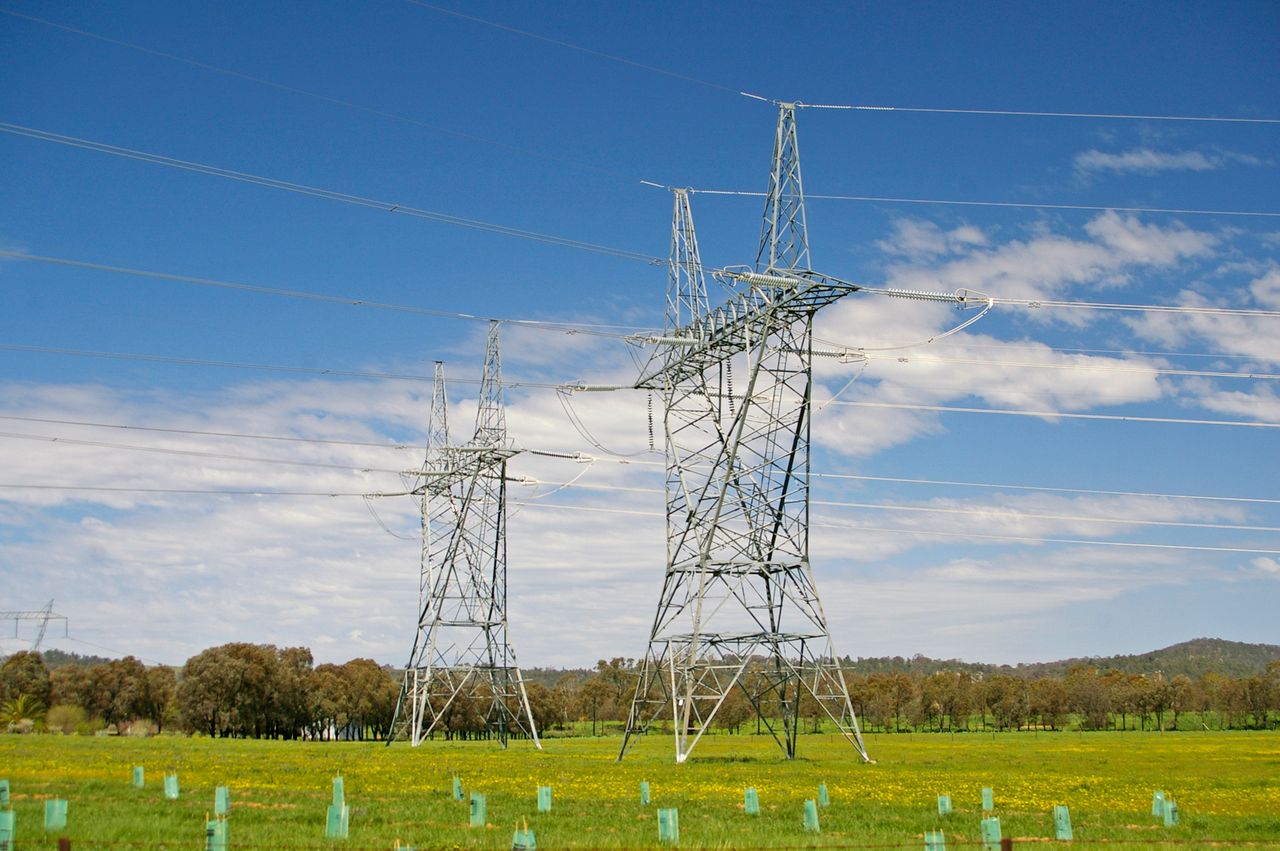
The plan also aims to develop an electrical grid system that is "fit for purpose". This will include "rapid repowering of big wind farms and renewable plants", including offshore wind parks and and hydropower plants.
The commission is also set to present a legislative proposal on network charges and taxation, to ensure that electricity is taxed less than fossil fuels.
The plan will see member states assisted to make maximum use of available EU funding.
However, the commission's plan requires investment of €660 billion a year until 2030. The commission has adopted a Clean Energy Investment Strategy which will mobilise private investment.
The commission said the AccelerateEU plan announced today responds to the request by the EU heads of government at the March 19 European Council to present "a toolbox of targeted temporary measures to address the recent spikes in the prices of imported fossil fuels arising from the crisis in the Middle East".
Apart from this energy and electricity plan, the commission is also set to announce a 'Fertiliser Action Plan'. It is understood that this will be announced towards the end of this month.
The commission is also planning to provide state aid flexibilities to address fuel and fertiliser costs for farmers.
Ireland
According to Commissioner Michael McGrath the AccelerateEU package is "a comprehensive set of measures to provide immediate relief to households and industry, particularly the most vulnerable".
"We are working in partnership with Ireland and other Member States, with a clear focus on ensuring that support is temporary, targeted and timely, while staying firmly on course towards decarbonisation.
"Reducing our dependence on imported fossil fuels is in all our shared interests," the commissioner added.
He also said that the commission will act in "full coordination to secure energy supply, shield consumers from price shocks, and accelerate the transition to clean, homegrown energy, supported by stronger infrastructure and increased public and private investment".
"These measures will equip Member States with additional tools to support citizens and businesses who are shouldering a heavy burden - something that must be fully acknowledged," Commissioner McGrath added.