'Spotlight' is on milk purchased in south but processed in north - agency

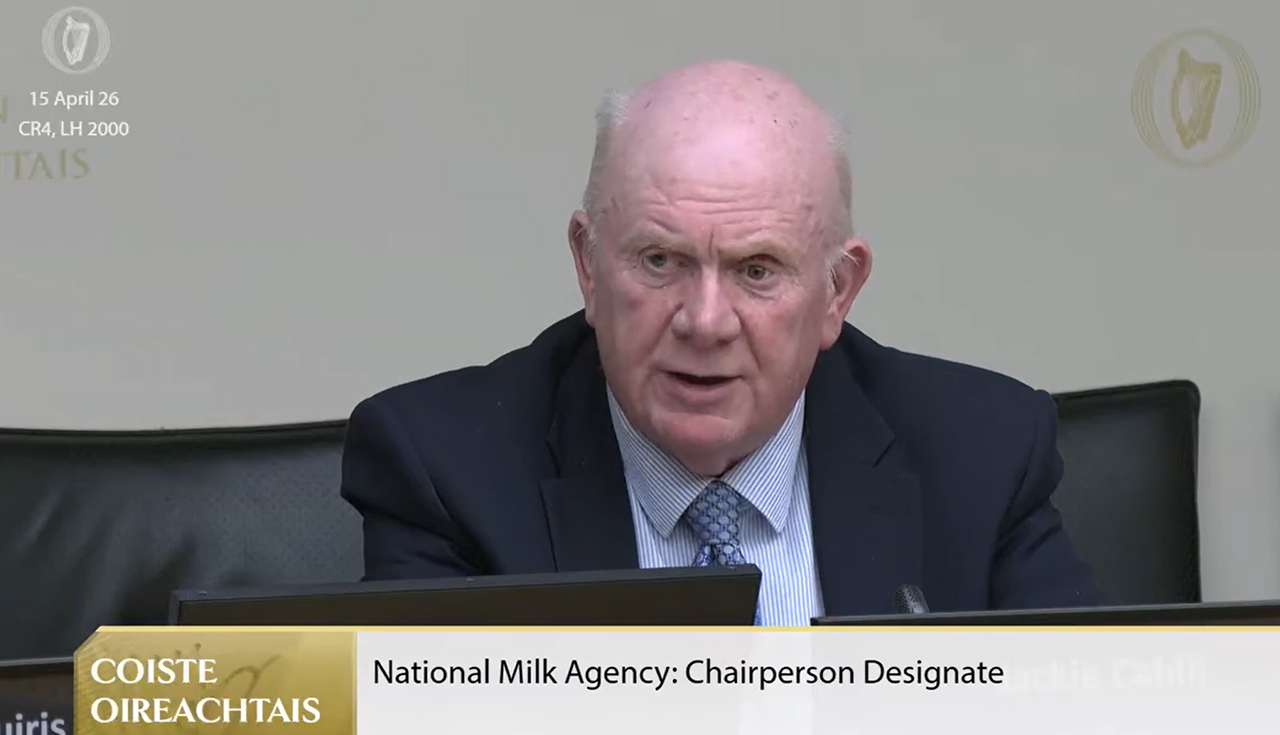
The National Milk Agency is reviewing how some milk is purchased in the south but processed in the north and imported again.
Currently the agency, which was established to regulate the supply of milk for liquid consumption throughout the state - has "no remit" on milk that comes in to the south that is processed in the north.
The new chair of the National Milk Agency, Jackie Cahill, said there are examples of producers, such as Strathroy, who he said is "purchasing more and more milk in the south and taking it north for processing" and this is "putting the spotlight on that milk".
"This is under review, it is something the agency will be looking at going forward.
"It's my personal opinion that any milk that's being sold here should be under the remit of the agency to ensure the market is properly regulated.
"The situation at the moment is that milk processed in the north that's coming in here isn't under the remit of the agency," Cahill added.
National Milk Agency
Cahill was in front of the Oireachtas Joint Committee on Agriculture and Food yesterday (Wednesday, April 15) in his new role as chair of the National Milk Agency - a committee he knows well.
Cahill was chair of the Joint Oireachtas Committee for Agriculture, Food and the Marine in the 33rd Dáil.
He was previously a Fianna Fáil politician and a Tipperary TD from 2016 to 2024.
He is also a former president of the Irish Creamery Milk SuppliersAssociation (ICMSA), a former member of Bórd Bia, Ornua, and chair of the National Dairy Council and the European Milk Board.
He was appointed as chair of the National Milk Agency following an assessment process conducted by the Public Service Appointment Service.
The term of office is for an initial period of three years.
According to the Independent Senator, Victor Boyhan, Cahill is eminently suitable for the job because of his "skill and experience" and his appointment "isn't a political favour" because he went through a "proper, open and transparent process" to get the job.
Senators and TD voiced their concerns at the committe meeting yesterday about the issues currently facing the liquid milk sector in Ireland, particularly for producers.
The National Milk Agency's most recent annual report for 2024 highlighted that the market share of domestic registered supplies in the fresh milk market had fallen from 100% in 1995 to 70% in 2024, while the market share of imports had grown from zero to 30% in the same period.
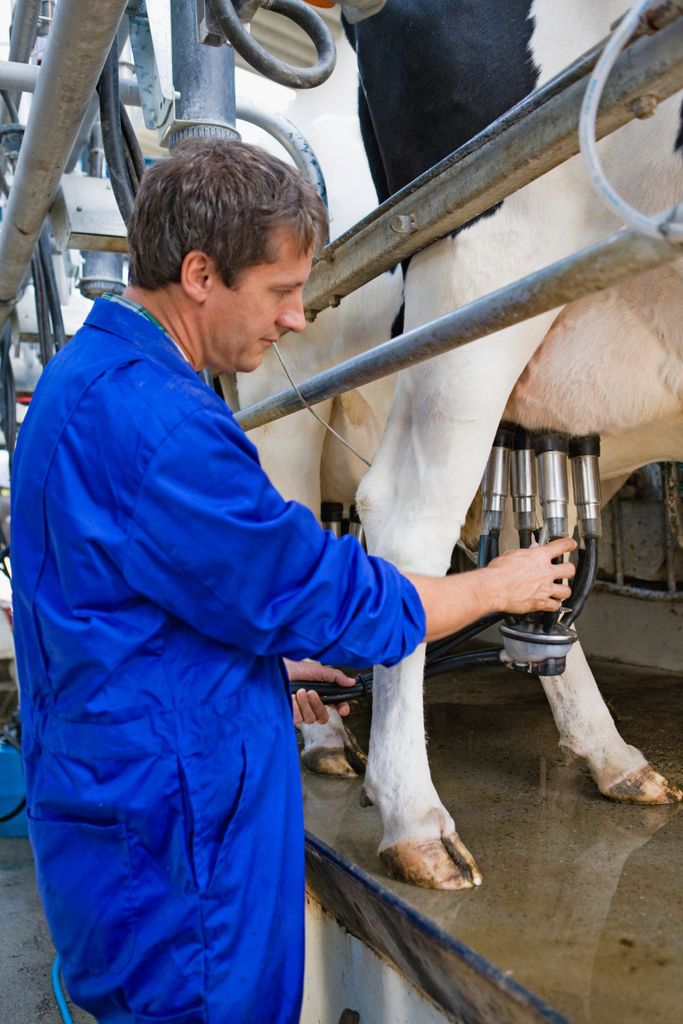
According to Cahill, the "financial viability of producing milk" and the fall in the number of liquid milk producers reflects the "cost" of all year-round milk production - both socially and financially.
"The fact that you have cows to milk on Christmas Day during that holiday period - there's a couple of weeks where the rest of the country is in a holiday mode - but if you're in liquid milk production you're in full working mode for that period.
"A lot of units, especially family farms, the decision was taken that it is financially worth what the pressure that it is putting on the farm as a unit - cows have to be milked morning and evening.
"But over a long period of time the compensation that's been given to liquid milk producers has been eroded and it has dropped significantly over a period of time," Cahill added.
He said the National Milk Agency has a role in "pointing out" to the retailers the difficulties that producers are now facing.
"There has been an issue over a long period of time with processors fighting for market share as well and again there was margin given away to the retailers over a long number of years and when processors give away a margin it can be extremely difficult to get it back.
"The price at the moment that liquid farmers are producing at is going to make it very difficult for that milk to be produced and I think that has to recognised," Cahill added.
Middle East crisis
The new chair of the National Milk Agency also warned TDs and senators that dairy farmers are up against even more difficult challenges because of the recent spike in production costs.
"Fertiliser prices are increasing rapidly, concentrate prices are increasing, energy costs are going through the roof, labour costs are increasing - all costs are increasing fairly rapidly and the price of milk is dropping.
"The price of milk over over the counter has dropped 10 cents a litre in the last six to eight months and it's hard to understand how the milk price can go this way and all the costs are going that way, - it's not sustainable.
"When contracts for this present year are being negotiated processors and retailers will have to recognise those harsh facts," Cahill said.