Steps to Superior Silage

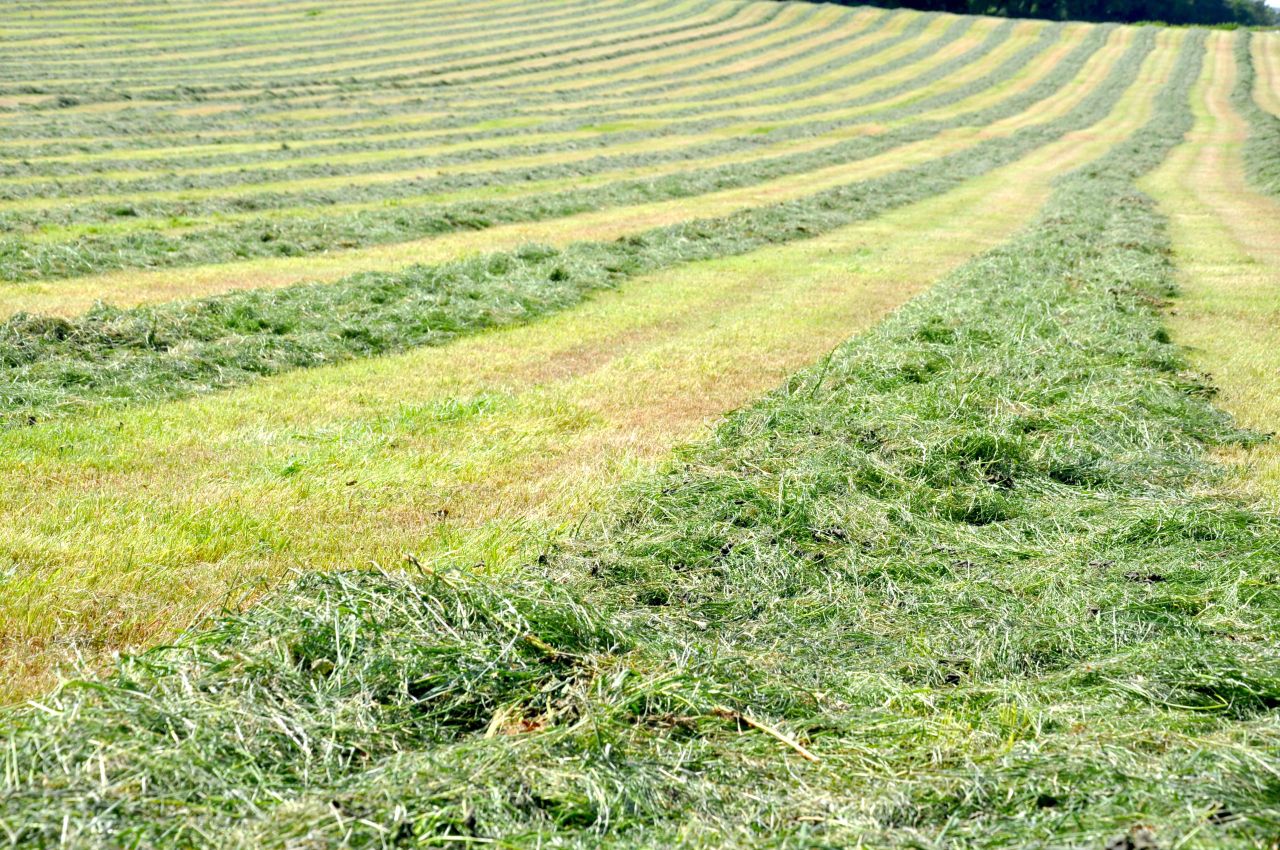
In this first instalment in the series, Dr. Adrienne Kerley, Volac’s Research and Development Technical Manager for Forage, looks at cutting and wilting grass for silage.
Cutting
When should first-cut grass silage be taken?
There is no fixed time for taking first-cut. It will depend on the type of grass, the weather, and whether you are looking for quality or quantity, as well as other reasons.
For best quality, it is important to cut before heading.
What time of day is best to cut grass for silage?
Although sugars tend to be a bit higher in the afternoon, the difference is not usually very great and should not delay the decision to cut.
Far more important is cutting at a time of day that will allow the crop to be wilted as quickly as possible to the target 28-32% dry matter (DM).
This is important in order to minimise the in-field losses that occur during wilting due to the crop continuing to respire and the action of undesirable microorganisms.
If conditions are suitable, it may be possible to cut the crop in the morning and achieve 28-32% DM that same day.
Leaving a cut crop in the field overnight increases in-field losses, and overnight dews can cause the moisture content of the crop to increase.
Should grass be analysed before cutting for silage?
This is essential if you believe there might be a problem, e.g., high nitrates remaining in the crop.
It will also provide information regarding the ensilability of the crop, which will also aid decisions of when to cut.
It is important to get results back within 24 hours as grass composition can change rapidly.
Why are high nitrate levels when cutting grass for silage a problem?
High nitrate levels at harvest (>1,000ppm or 0.1%) are an indication that the fertiliser nitrogen applied has not all been converted to protein.
This can occur if too much nitrogen (N) fertiliser is applied or if it is applied too near to harvest.
It can also occur when there is rain after a prolonged dry spell which will cause rapid N uptake.
Such crops will also have low sugar levels and a higher buffering capacity.
Low sugar, high non-protein nitrogen and a high buffering capacity all increase the likelihood of a poor silage fermentation.
There is also a risk of toxic silo gas being produced.
If high nitrates are suspected, be sure to have a representative sample of the grass analysed.
If the nitrate level is above 1,000 ppm (0.1%) it should not be ensiled. Instead, wait a few days and analyse again.
What growth stage should grass be cut for silage?
This will depend on the performance you expect from the silage.
The younger and leafier the crop when cut, the higher the D value will be – as after heading the digestibility of grass falls by about 0.5% per day (and a reduction of 3.6 D units requires an extra 1.5 kg of concentrate to be fed to a dairy cow per day).
Grass cut after heading also becomes more difficult to consolidate as it gets more stemmy, which can create problems with both fermentation and heating.
What height should grass be cut for silage?
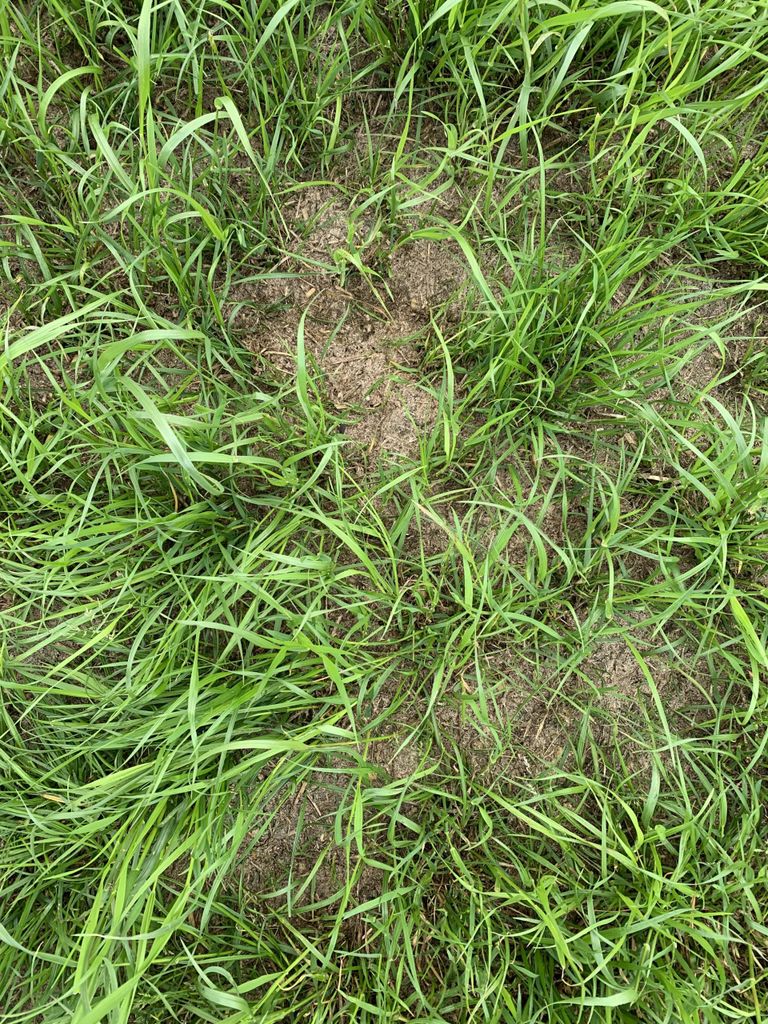
It is advisable to set the mower to leave at least 7-8cm (3in) of stubble.
Although cutting lower would increase the yield, the lower material is of poor nutritional value and there is a greater risk of soil contamination.
Cutting too low also delays regrowth as it removes the tiller and leaf buds and may even kill some plants.
Leaving a longer stubble can also aid drying as the cut grass is raised off the ground, aiding air circulation.
How long an interval should be left between grass silage cuts?
This varies, but five to six weeks might be required for regrowth if the traditional approach of taking three or four high-yielding cuts is followed.
For improved quality, consider cutting more often (e.g., using a multi-cut approach).
Although individual cuts with a multi-cut approach will be lighter, the overall yield for the season can actually work out higher than taking fewer cuts as cutting a younger crop means less delay in regrowth.
Lighter cuts are also easier to wilt and cutting more often can offer other advantages compared with cutting at traditional timings, such as improved contractor availability.
Wilting
Why should grass be wilted for silage?
Wilting grass offers multiple advantages:
- It raises its %DM, which means less water needs to be transported from field to clamp, speeding up that stage of the process and reducing the size of clamp required;
- Effluent is reduced; almost completely above 30% DM;
- It reduces the amount of fermentation required to produce a stable silage so less sugars is required;
- It reduces overall protein breakdown – provided it is carried out rapidly;
- It reduces the chances of a poor fermentation as some of the microorganisms responsible for bad silage will not survive in higher %DM silages;
- It increases intakes – although production will not necessarily increase by as much.
However, it is important not to over-wilt as this increases in-field nutrient losses and higher %DM silages are more susceptible to aerobic spoilage (heating).
What %DM should grass ideally be wilted to?
In normal situations, wilting to 28-32% DM gives a good balance between minimising effluent and minimising field and clamp losses, but only if this can be achieved within 24 hours, and preferably 12 hours or even less.
Dry matters above this may well lead to higher DM intakes but not necessarily to higher animal production.
Field DM losses will also be higher and the risk of aerobic spoilage will be significantly increased.
How to wilt grass for silage?
As soon as the crop is cut, it starts to deteriorate.
Sugars released during mowing will be used by a wide variety of bacteria that can grow in the presence of air, and the grass itself will use up sugar as it continues to respire.
Both of these reduce the sugars available for fermentation. In addition, proteins start to be broken down.
Yeasts and moulds can also proliferate in the dying plant material, increasing the risk of aerobic spoilage (heating) later.
For these reasons, whenever grass is being wilted, it is important to do so rapidly.
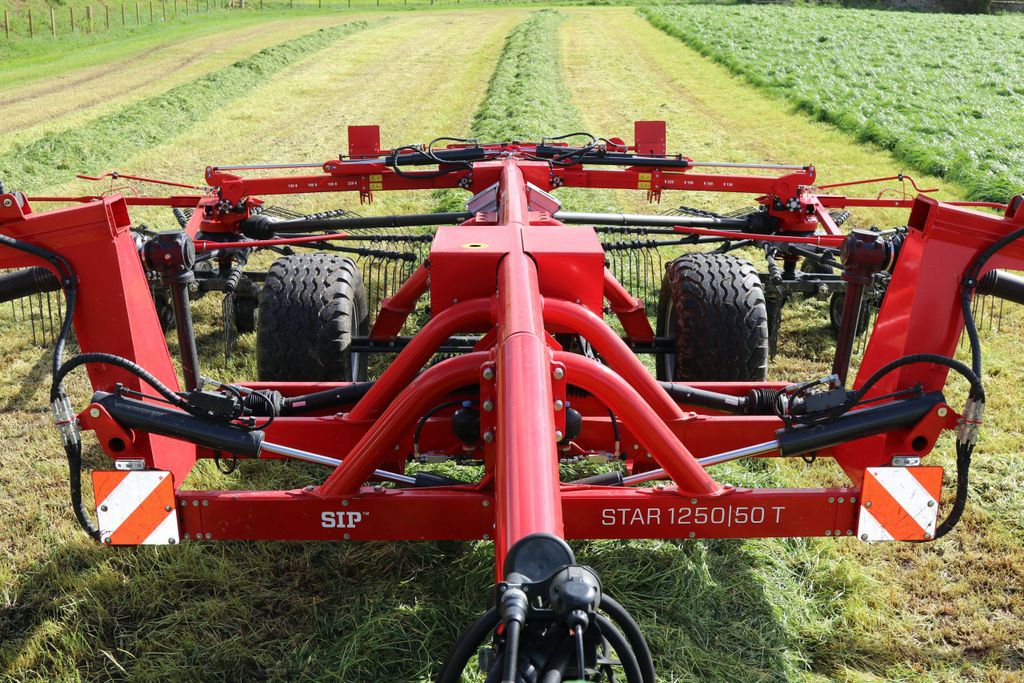
To reduce wilting time, make effective use of mower-conditioners and do not leave cut grass in the swath.
Instead, spread it to 100% ground cover as soon as possible by tedding.
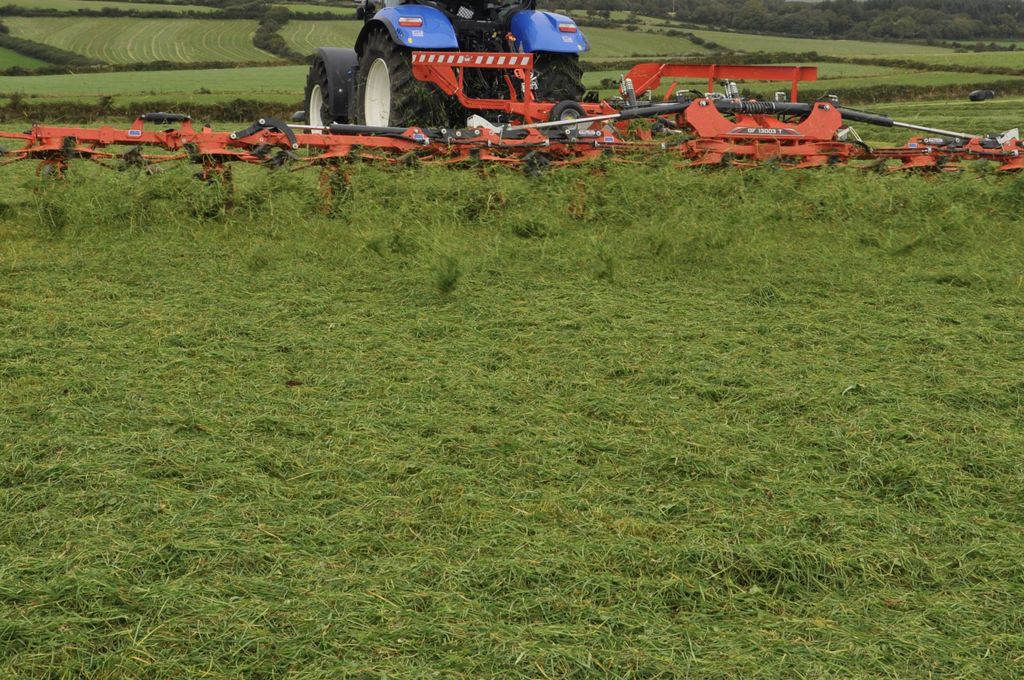
Ideally, grass should be cut in the morning with a mower conditioner and tedded out within two hours to allow quick wilting.
This is the time frame that the stomata (leaf pores) are open, so tedding needs to be quick to maximise moisture loss from stomata.
By doing this, it may be possible to reach the optimum 30% DM within a day in good conditions.
But make sure tedders and rakes are adjusted correctly to avoid them hitting the ground and contaminating the crop with soil.
Wilting research
Research conducted by Volac’s Ecosyl scientists compared the effects of tedding, time of day of cutting, and crop maturity on the rate of crop drying.
Findings from a trial on a light, multi-cut grass crop cut on a warm, dry July day revealed that cutting at 10:00a.m and tedding immediately resulted in grass reaching 30% DM in just 4.5 hours.
That compared with seven hours to reach 30% DM if grass was not tedded until five hours after cutting, or a full 24 hours if grass was left untedded in rows.
Where cutting was delayed until 3:00p.m, grass reached 30% DM in five hours if tedded immediately after cutting, but required a full 23 hours to reach this if not tedded until the following morning.
Where the 3:00p.m cut was left untedded, it failed to achieve 30% DM at all – reaching only 24% even after 24 hours.
This is highly relevant because the longer that grass is wilted for, the more nutrients it will lose.
In a further trial, the impact of a heavy, mature grass crop and a lighter multi-cut crop on wilting speed cut in September was assessed.
Although drizzle at this site meant neither crop reached the target 28-32% DM, results again showed that tedding increased drying speed substantially.
Even with the wetter conditions, the heavier crop cut at 11:00a.m and tedded immediately still reached 22% DM within five hours.
The lighter crop cut at 1:00p.m reached 24% DM in just four hours if tedded immediately, while if left untedded it had not reached 20% DM even after 20 hours.
In both crops, tedding a second time gave an added boost to speed of wilt.
Note: additional tedding may lead to increased field losses.
What to do with cut grass if it rains?
Leaving cut grass lying will increase losses and potentially make it more difficult to ensile due to loss of sugars and an increase in spoilage microorganisms.
Provided it is not pouring and any effluent can be safely contained, it might be better to bring in what has already been mown.
If you have a lot of grass down and experience heavy and continuous rain, you may find yourself in a salvage situation.
Tips for making silage in wet, catchy conditions
In such conditions it might be best to aim to make good, low DM silage rather than attempting to wilt it and still end up with relatively low DM silage but with a poor fermentation.
Some other things to consider in these situations:
- Lengthen chop;
- Minimise rolling;
- Use a proven inoculant to improve the fermentation, e.g., Ecosyl;
- Keep clamp height lower to reduce risk of effluent losses and slippage.
Follow the Steps to Superior Silage series each week on Agriland to learn more about how to ensure your farm is producing top-quality silage.