Scientists fast-track breeding of disease-resistant ash trees

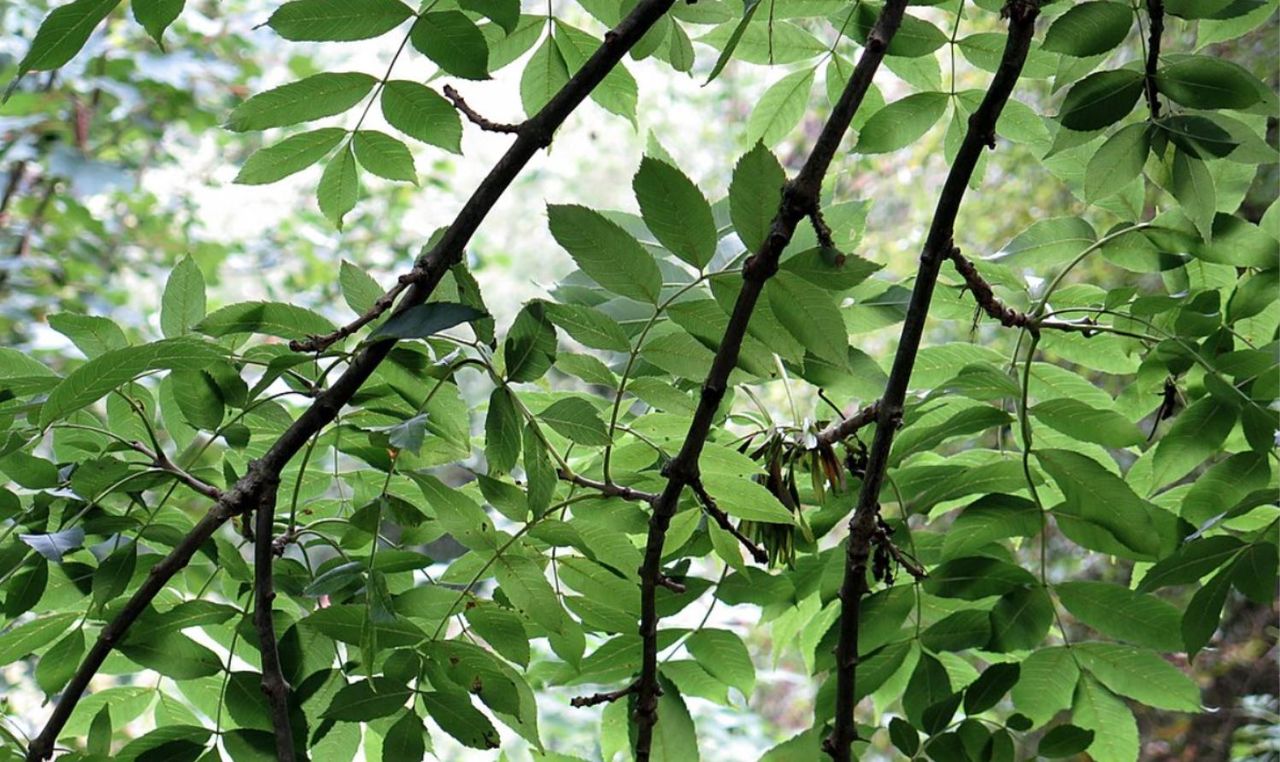
Scientists in the UK have developed a fast-track method of breeding disease-resistant ash trees.
Researchers at the Norwich based John Innes Centre have adapted an embryo extraction method which in turn "rapidly speeds up the germination of European ash seeds".
The technique involves extracting the embryo from the seed coat using a knife and tweezers and placing it on an agar nutrient jelly to give this slow starter a helping hand.
Previously the process of germination could take up to six years but the embryo extraction method has reduced this to one week in the lab.
According to the John Innes Centre the rapid seed germination method has already produced more than 2,000 seedlings for trials and research.
Researchers believe their breakthrough offers hope for those trying to preserve the threatened species by "establishing populations of ash families propagated from mother trees that show resistance to ash dieback".
Dr Elizabeth Orton, a John Innes Centre researcher said: “Ash seed usually takes two to three years to germinate in the wild, and we have reduced this to about a week in the lab.
"We have produced hundreds of seedlings rapidly for experimentation, for our seed orchard or for planting in the wild.
“We’ve had so much interest from both other researchers and from stakeholders keen to help restore ash populations. One of our next steps is to develop a kitchen method so that people can do this at home, using substances that you can purchase online such as household bleach and agar to treat the seed as part of the process.”
Ash dieback
According to the John Innes Centre the ash dieback epidemic spreading across Europe has created an urgent need to propagate new populations from ash trees with resistance to the disease.
It was first identified in Ireland in 2012 and it has been predicted that the fungal disease will affect most of the country's ash trees over the next two decades.
According to Teagasc an estimated 15,897ha of grant-aided ash were planted between 1990 and 2013 – and most of these trees are unlikely to escape the fungal disease.
A Reconstitution Scheme for Ash Dieback was launched by the government as part of the 2023-2027 National Forestry Programme to support farmers and landowners impacted by ash dieback.
The government has stated that the "overall financial aid for ash dieback potentially amounts to €237 million".