European Commission seeks views on nature directives

The European Commission has launched a public consultation on EU nature directives.
The commission said contributions will feed into a stress-test of both the Birds Directive and the Habitats Directive.
This is part of the commission's "wider simplification initiative to strengthen EU competitiveness while continuing to safeguard environmental, economic and social goals", it said.
The EU nature directives aim to protect birds and habitats in the EU.
Nature protection
Announced in December 2025, the stress-test aims to assess whether the directives achieve their objectives to protect nature in the EU and do so in a cost-efficient way.
The test will also "identify opportunities to reduce unnecessary administrative burden while maintaining the directives' ambition and high standards of nature protection".
To support member states, the commission already published two guidance documents at the end of March 2026.
These are on Natura 2000 and climate change and on certain provisions of the Birds Directive.
This comes on top of the guidelines on Natura 2000 and fishing that were published in October 2025.
According to the commission, the stress-test is being "conducted in close cooperation with member states and stakeholders and will build on the results of the 2016 fitness check of the directives".
Citizens and stakeholders are encouraged to participate in this public consultation, which is open until August 4, 2026.
Nature directives
The Habitats Directive aims to protect over a thousand species, including mammals, reptiles, amphibians, fish invertebrates, and plants, and 230 characteristic habitat types.
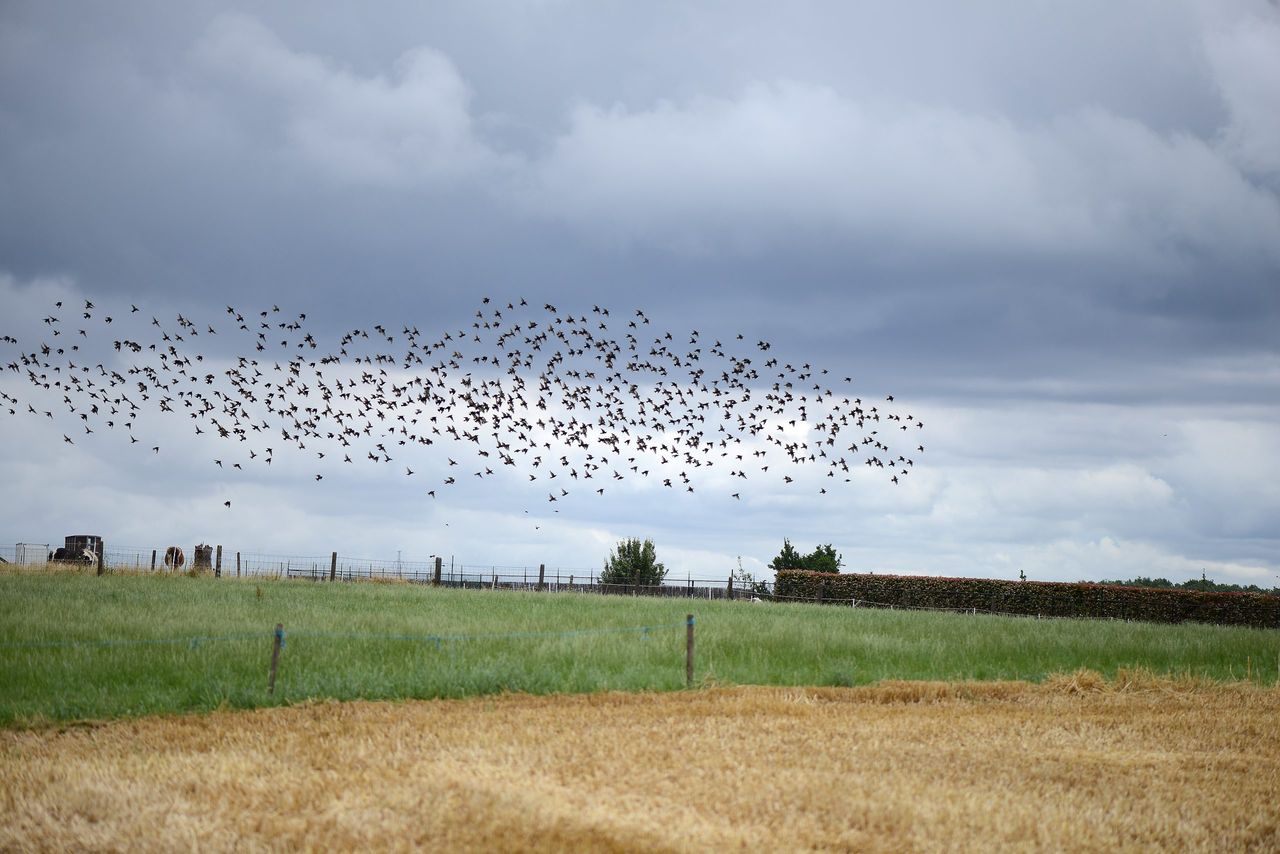
The Birds Directive aims to protect all naturally occurring wild bird species present in the EU and their most important habitats.
There are around 600 sites in Ireland designated under the Habitats Directive and the Birds Directive.
Sites range in size from 1ha up to 76,000ha.
These sites are designated as either Special Conservation Areas (SAC) and or Special Protection Areas (SPA) and are generally referred to as Natura 2000 sites.
Under the Habitats Directive any plan or project "likely to have a significant effect on a designated site or species" must be subject to Appropriate Assessment of its implications for the site.