Scenario: How new TB testing rules could affect dairy farms

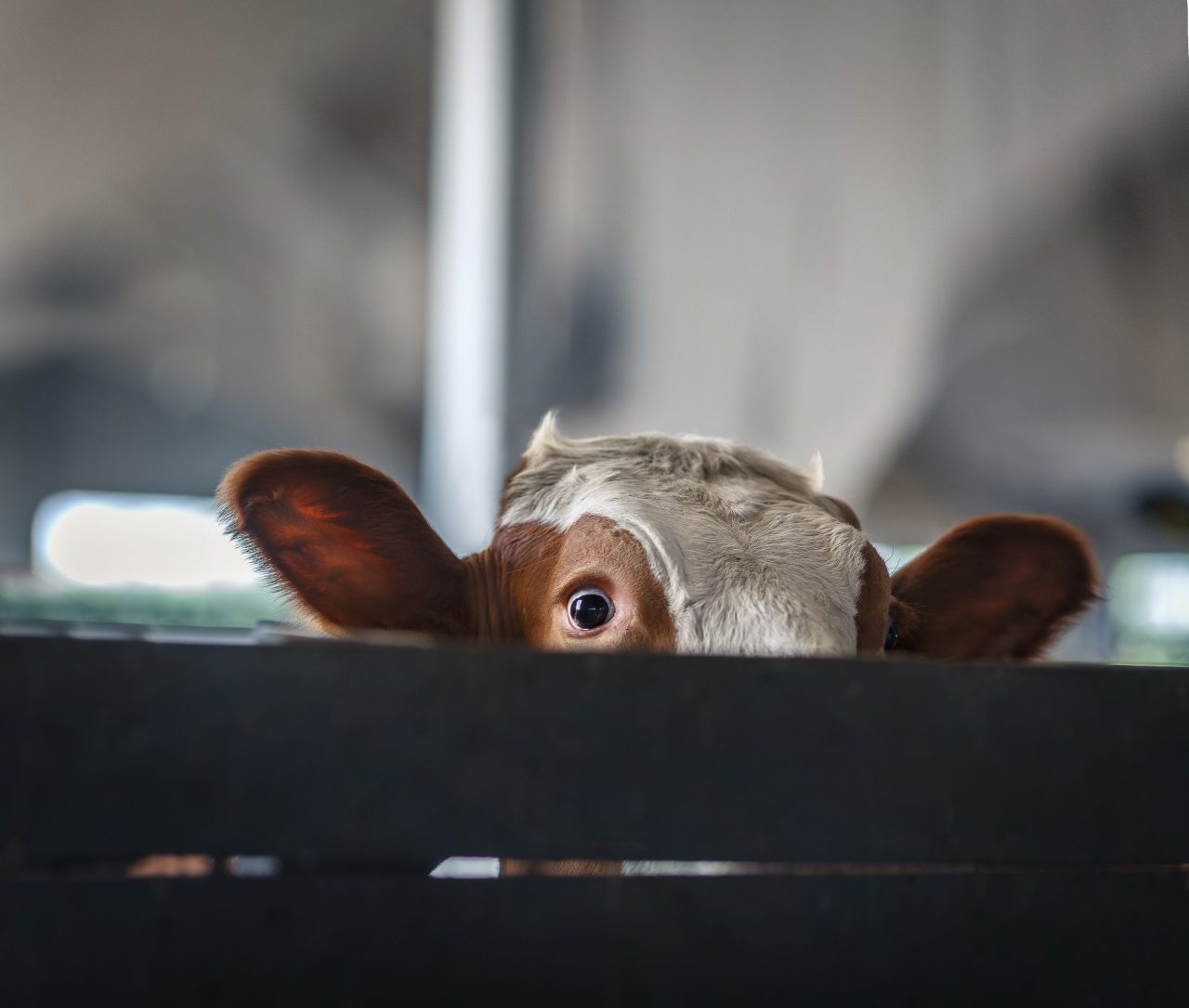
Herdowners will be receiving letters regarding updates to bovine tuberculosis (TB) testing requirements this week, but what exactly does this mean for dairy farmers?
The changes to the bTB eradication programme, which will come into effect on Monday, April 13, aim to completely eradicate the disease.
That means stricter measures in terms of animal movements, pre-movement tests, blood testing, and high risk herds, which will be felt by the 5,000-plus farms currently dealing with TB.
Scenario
A typical scenario would inolve looking at an average dairy herd, which is milking 100 cows and producing 6,000L at 480kg milk solids (MS) at 3.8% protein and 4.6% fat.
On the low side, that farm may have roughly 20 yearlings, 20 weanlings, as well as a few bulls, bringing the total herd up to 150 cows.
Under these new TB testing and movement requirements, that herd will have to carry out a 30-day pre-movement test before moving any of their cows into another breeding herd.
In this scenario, let's say the farm is sending its replacement heifers to be contract reared after they are weaned, meaning calves are around 10 weeks-of-age when leaving the farm.
Under the new regulations, these calves will fall within the remit of being greater than 42 days-of-age, so if the contract farmer rears additional animals on his farm, your calves will need a 30-day pre-movement test before being sent over.
Once the heifers are reared, they will need another 30-day pre-movement test before returning to your farm.
This will require strategic planning in terms of bringing them back, as you ideally want to avoid the stress of testing them when they are heavily pregnant.
TB
If this herd does go down with TB, you need to be mindful of which animals have been part of an exposed cohort.
An exposed cohort is when animals have tested negative to a TB test, but are or were in the same management group (milking herd) as reactor animals during a breakdown.
DAFM has confirmed that the exposed cohort would exclude replacement heifers or calves present at the breakdown test, if there were no reactors in those groups of animals.
This is important to note, as gamma interferon (GIF) testing (blood test) is now mandatory in breeding herds of 80 cows or more, where 5% of this exposed cohort do test positive for TB, or if there are 10 reactors in the exposed cohort.
In simple terms, that means if you went down with TB last month in the milking herd, and even if just five of your 100 cow herd go down again in the retest (5%), blood testing will be mandatory.
The department has confirmed that it will cover the cost of this mandatory testing.
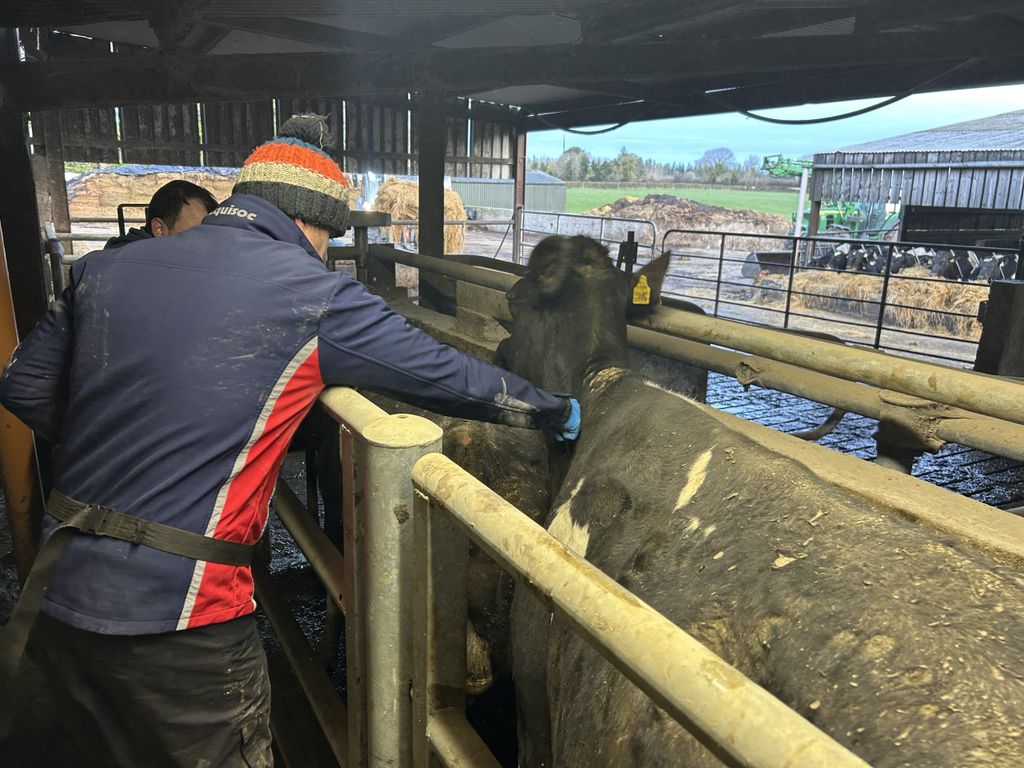
The reasoning for these mandatory testing requirements is blood testing is more harsh in terms of picking out reactors.
The GIF test is said to have a 90% sensitivity, which means it identifies nine in 10 cows that have TB.
However, it has a lower specificity, meaning there is a higher chance of showing up false-positives, which is why its usage has not been as largely pushed.
Meanwhile, skin tests only have an 80% sensitivity, meaning only eight out 10 infected animals are picked out - but it does have a specificity of 99.5%, which means only one in 5,000 tests are false positives.
Financials
With blood testing set to become more commonly used, farmers struggling with TB are set to see more cows leaving the yard, which will impact the farm's financials in a year where margins are already squeezing impossibly tight.
Even with milk prices bottomed out, farmers are getting €6.684 per kg of protein and €3.979 per kg of fat.
Therefore, a reduction of 10 cows within the herd would amount to a loss of €6,146 in the farm's annual income.
However, if farms were still receiving €8.94/kg protein and €5.96/kg fat as they were for February 2025 supplies, the loss in annual production would amount to €16,757 for the same 10 cows.
As the department puts the push on to eradicate the disease, the financial pressure will also be felt in terms of cull cows.
Last year, almost 9% of total reactors were valued above the department's compensation ceiling, which stands at €3,000 for standard animals and €5,000 for pedigree animals.
Farms will also lose out on the bidding competition in the mart, which is currently driving dairy trade and getting farmers good prices for cull cows.
This because under the new regulations, they will not be able to sell any cows that were blood tested as part of an exposed cohort in herds greater than 80 for two years after the removal of last reactor, unless it is to a slaughter house or a controlled finishing unit (CFU).
If the herd is classed as 'TB free' after let's say a year, these cows still cannot be sold; however calves that have not been part of the exposed cohort can be sold as long as the herd is no longer restricted.
To see the full breakdown of updates, click here.