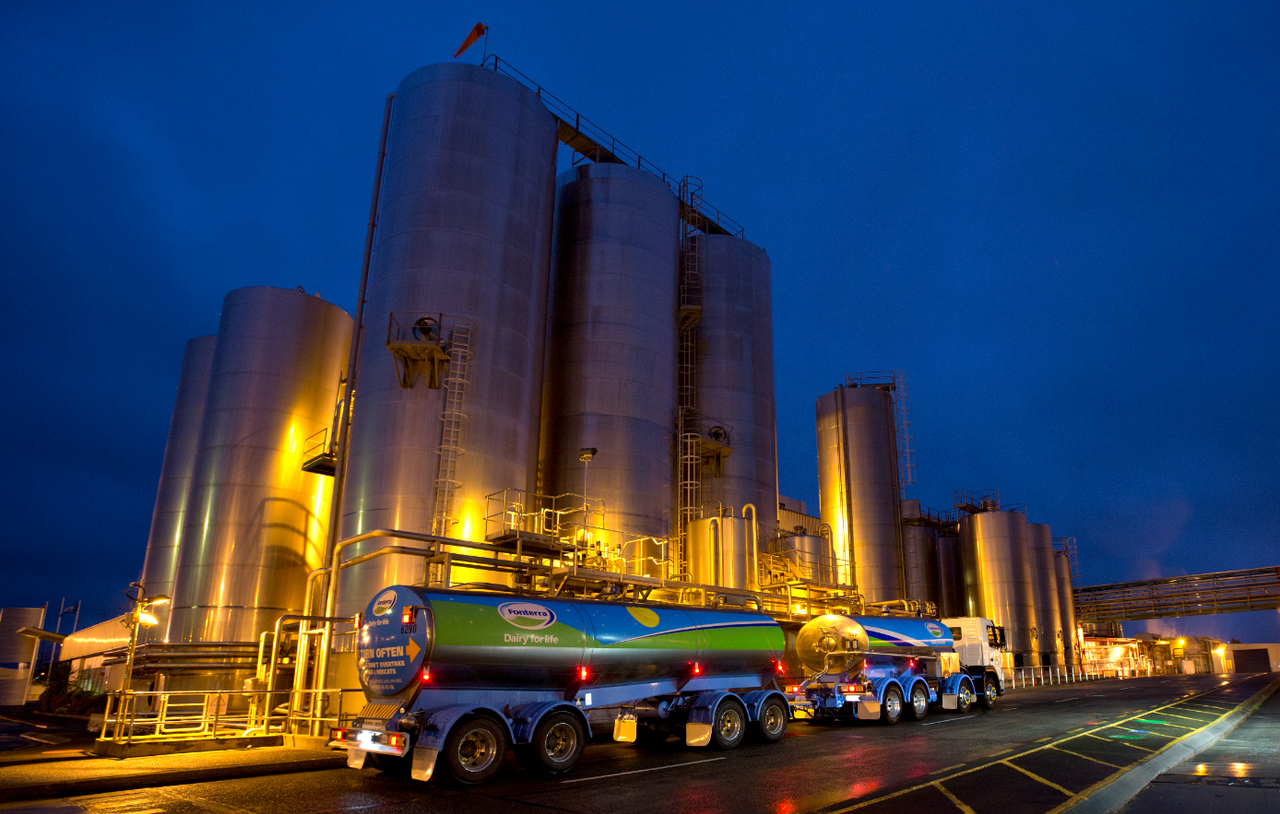
'ReNure' fertiliser rules now in crosshairs of EU green groups

EU environmental groups are aiming to scupper a proposal to allow the use of 'ReNure' fertiliser, which has been cited as a potential way to offset use of mineral fertiliser.
The EU adopted rules on ReNure technologies in February.
ReNure fertiliser is processed manure that could potentially offset chemical fertiliser use.
It refers to fertiliser products derived from processed livestock manure, in which nutrients are recovered and transformed into forms that can substitute mineral fertilisers.
According to the commission, ReNure is based on innovative techniques and produced from processed animal manure so that it can be quickly absorbed by crops, with less risk of water pollution compared with raw manure.
Now, the European Environmental Bureau (EEB) has filed a complaint with the office of the European Ombudsman claiming "maladministration" by the European Commission in developing the proposal to amend "manure limits" under the Nitrates Directive.
According to the EEB, which represents a range of environmental non-government organisations (NGOs) across the EU, the new rules will allow member states to authorise the application of "manure-based fertiliser" above the limits set out in the directive.
The EEB claimed that this will allow for up to 80kg more nitrogen (N) per hectare from livestock manure to be spread on fields every year, over the current limit of 170kgN/ha.
In its submission to the European Ombudsman, the environmental group claimed that the commission did not demonstrate "any genuine emergency to justify fast-tracking".
The EEB also claimed that the commission failed to carry out a comprehensive impact assessment, and did not base the proposal on the "best available evidence".
CAP reform
The EEB has also launched a complaint with the European Ombudsman over the proposals for the next Common Agricultural Policy (CAP).
The group said in March that it had launched a complaint over the European Commission's handling of the proposals for National and Regional Partnerships in the next CAP for the period 2028 to 2034.
Last summer the commission proposed its plans for the next CAP, which are a radical departure from CAP designs up to now.
The complaint claims that the commission failed to conduct an adequate impact assessment or demonstrate that decisions were based on the "best available evidence".