MEP calls on government to meet with fuel protestors

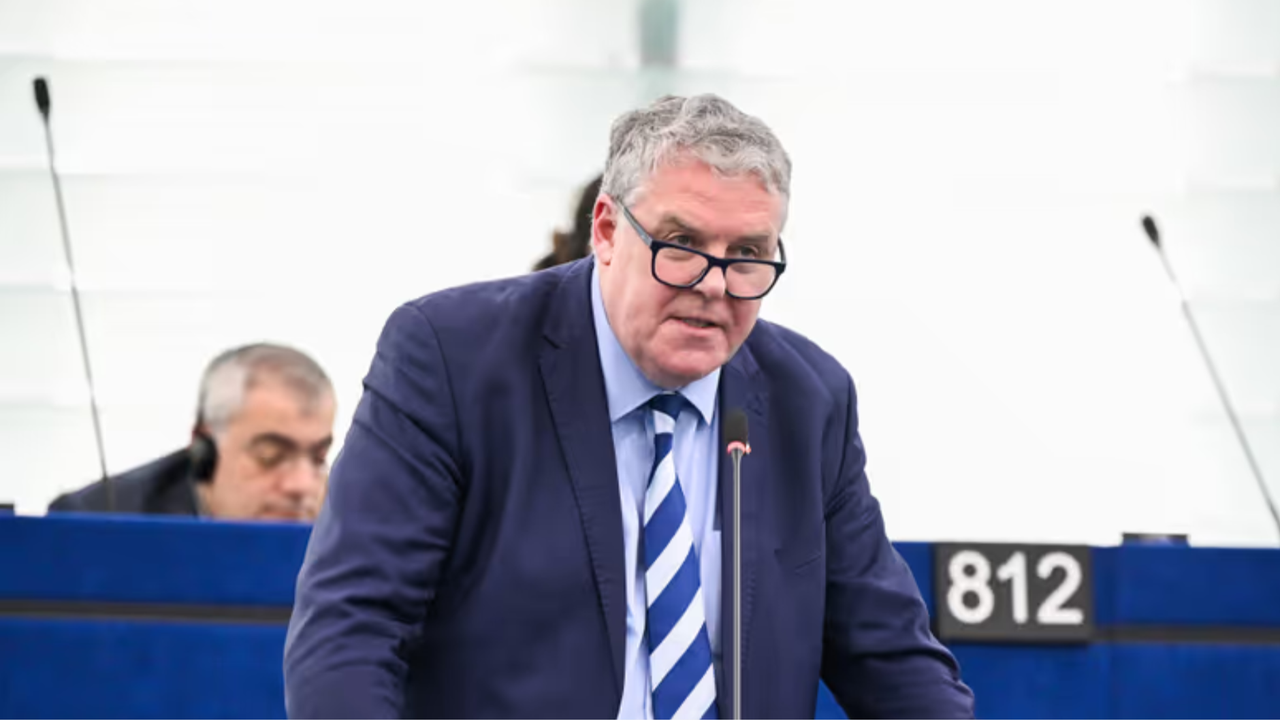
An Irish MEP has called on the Taoiseach Micheál Martin and Tánaiste Simon Harris to invite representatives of the fuel protestors to Government Buildings today (April 8) to address their concerns.
Midlands-North-West MEP Ciaran Mullooly said that "the failure to engage has fuelled anger on the ground".
His comments come as national protests have been taking place since yesterday (Tuesday, April 7) in response to fuel costs spiking due to the ongoing war in the Middle East.
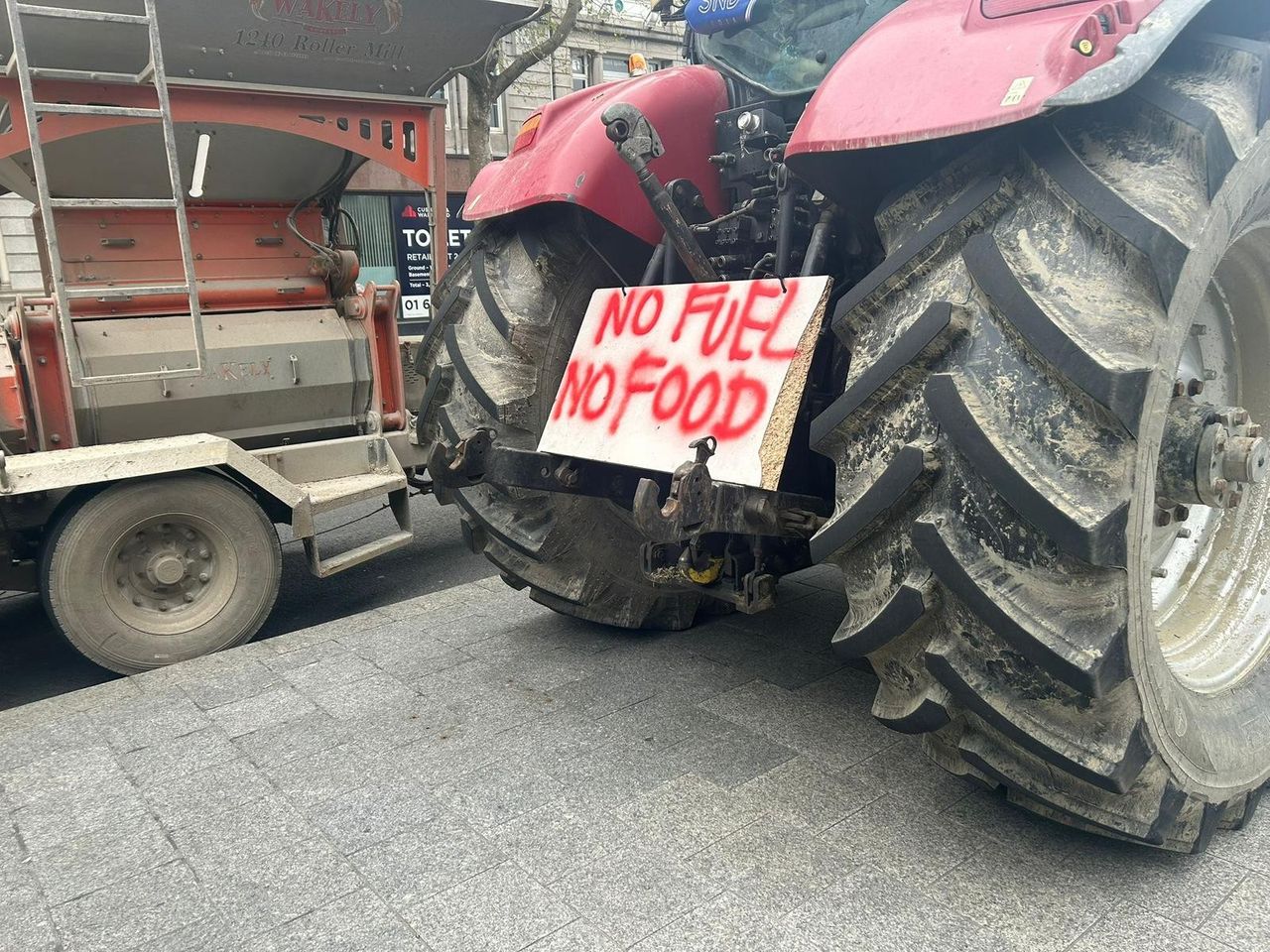
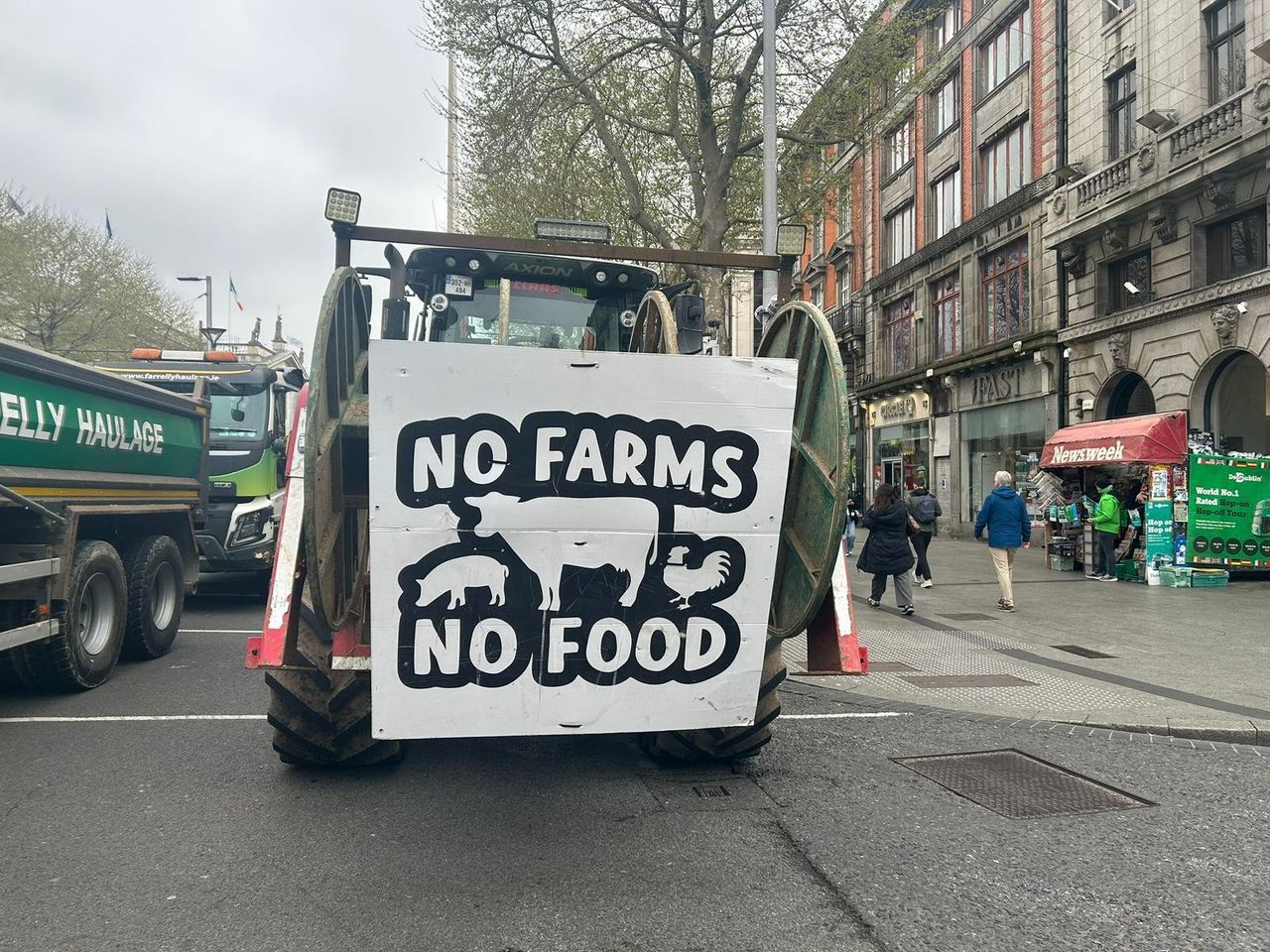
Convoys of tractors, hauliers and contractors impacted on the flow of traffic on some of the country's key motorways and main arterial roads again today as protesters continued to call for a cap on fuel prices.
Major routes around Dublin city centre were cut off as protesters with tractors shut down road access to O’Connell Street.
MEP
In a statement, Mullooly said that despite recent easing in global tensions, "energy disruption is set to continue in the short- and medium-term".
He said: “This crisis is far from over.
“Prices will remain volatile and unpredictable, and the pressure on farmers, contractors and families will continue.
“That is why action must be taken now - both in Dublin and in Brussels - before the situation worsens further.”
‘Breaking point’
Mullooly went on to say that people "have reached breaking point".
“These are viable businesses who simply want to be heard.
“The government must bring them in today, sit down with them, and start delivering real solutions.”
Mullooly also raised concern about the rise in kerosene prices.
“Many people, particularly older people, rely on home heating oil and cannot afford to upgrade their systems," he said.
“They are trapped between a rock and a hard place.
“We need targeted supports now to protect those most exposed to this crisis.”
Mullooly said he is meeting with representatives of the European Commission and fellow MEPs in Brussels today (April 8) to press for action at EU level.
He also reiterated his five-point plan for dealing with the costs, which includes temporary state aid flexibility; VAT and excise reductions; early Common Agricultural Policy (CAP) payments; activation of the EU Agricultural Crisis Reserve; and a recovery-style support mechanism.