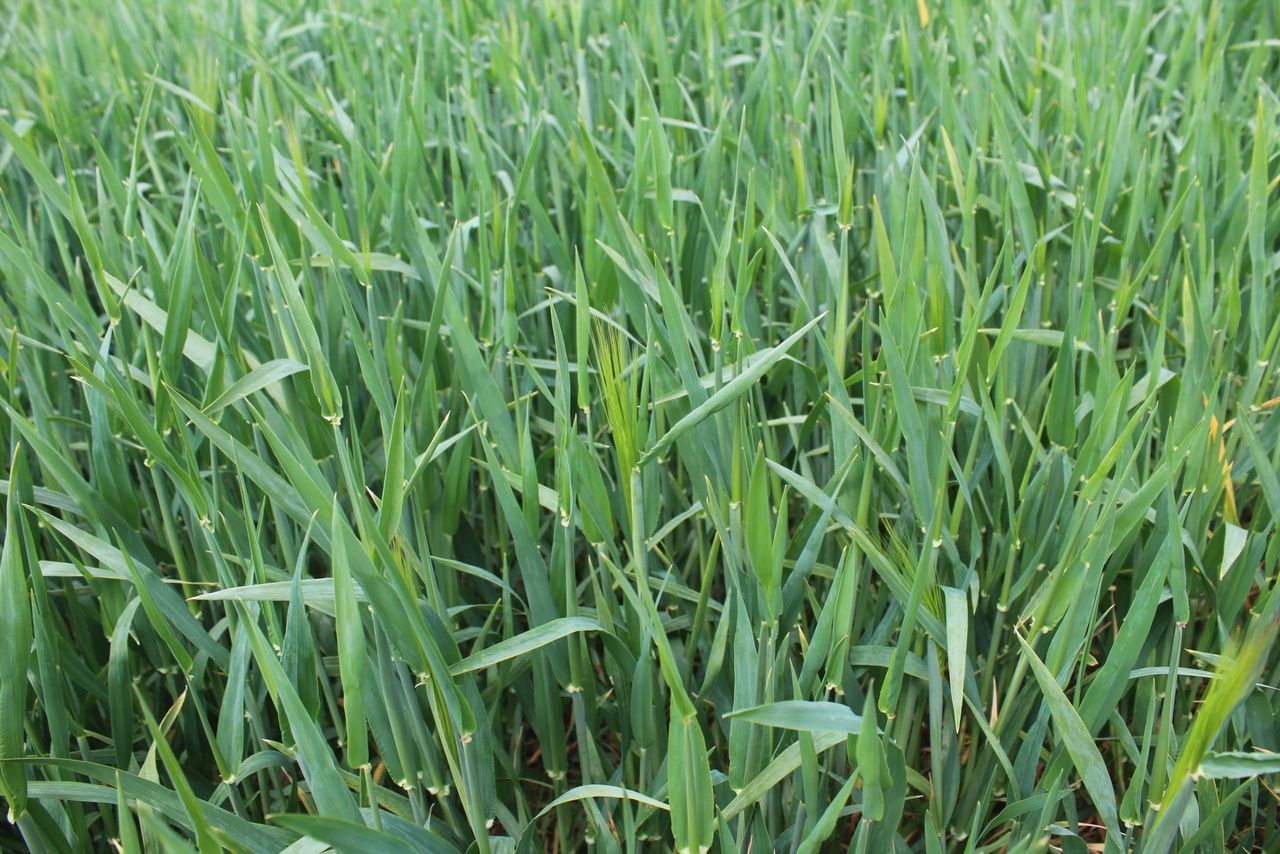
Managing spring barley to deliver optimal levels of crop performance

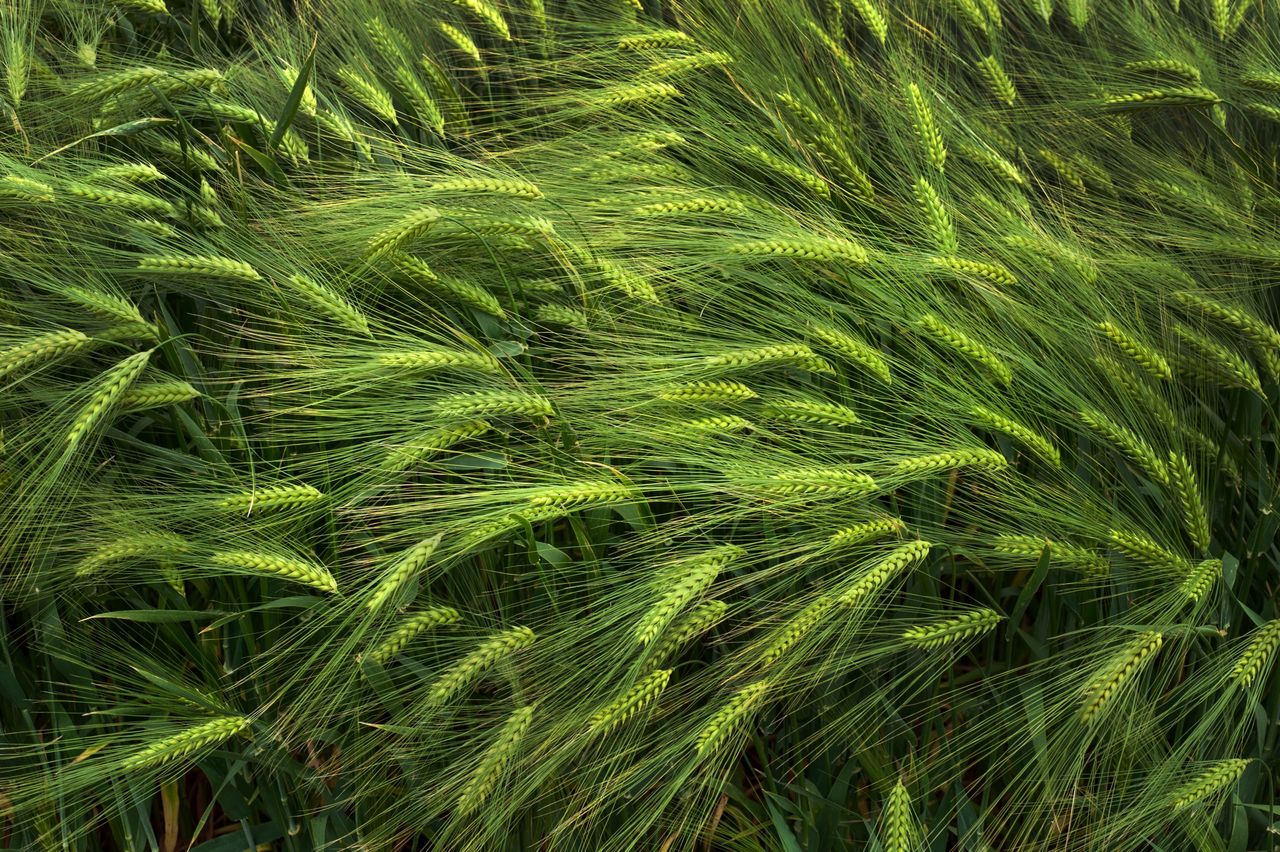
Later-sown spring barley crops this season will move through their growth stages quickly, according to Teagasc.
As a result, early weed control is essential to prevent competition before the crop canopy closes.
Where required, this timing also allows for the inclusion of a wild oat herbicide from growth stage 12 onwards.
Herbicide resistance to broad leaved weeds is an increasing issue for spring barley growers. Sulfonylurea herbicides have reduced effectiveness in some cases.
So the advice is to always use an alternative mode of action and to make sure the alternative product has activity on the target weed.
Meanwhile, the growing resistance of Irish weed populations to herbicide chemistries constitutes a growing challenge for the tillage sector.
If growers suspect they have resistant weeds on their farm, they should contact their local tillage adviser who can arrange resistance testing of the suspect plants.
BYDV
Sowing date remains the single biggest driver of Barley Yellow Dwarf Virus (BYDV) risk in spring barley, according to Teagasc.
However, factors such as field location and the presence of a green bridge should also be considered.
In general, crops sown in mid-March are at low to moderate risk (around 1-6% infection), while those sown in mid-April face a moderate to high risk, with infection levels potentially reaching up to 20%
While resistance to pyrethroids has been detected in grain aphid populations, other aphid species can also transmit BYDV and remain susceptible.
As a result, pyrethroids are generally still providing effective control in the field. The key timing for application is at the 4-leaf stage of the crop, and there is no advantage to applying more than one spray.
There are currently no alternative insecticides approved for use in spring barley at this timing, and later applications are unlikely to have a meaningful impact on BYDV control.
Disease control in spring barley
The average yield response from a two-spray fungicide programme in Teagasc trials is 1.3t/ha but can range from 0.5-2.75t/ha, depending on season.
Most spring barley varieties have excellent resistance to disease. But sowing dates and weather conditions needs to be factored when deciding on product choice and rate.
Later sown crops will be at the lower end of the yield response from fungicides.
Oak Park trials have shown two half rate fungicides (combined product) will give the maximum economic return.
The first fungicide should be timed before growth stage 30.