Keeping farm safety in mind as breeding and silage kicks off

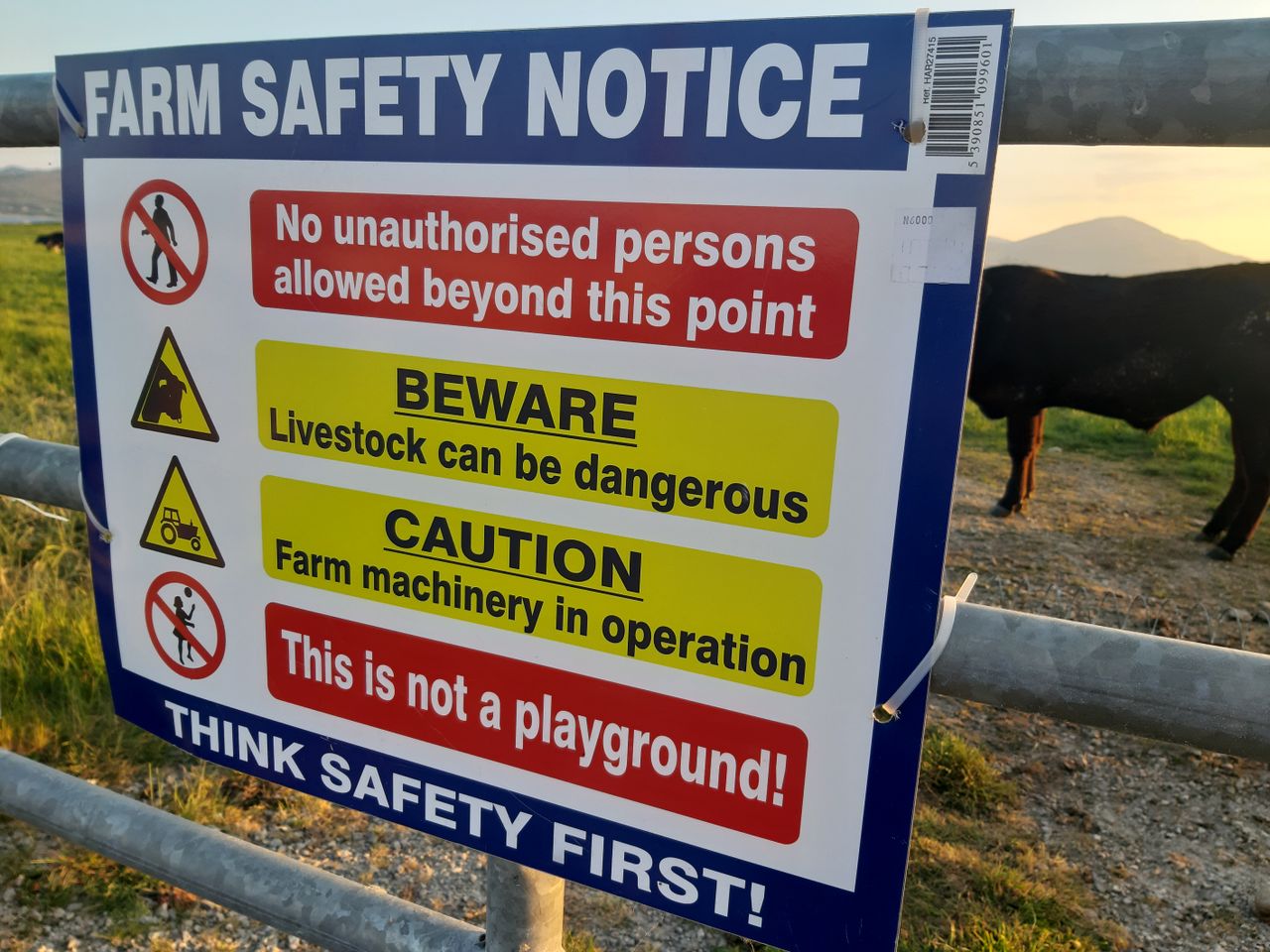
Between breeding and silage, the farm is getting increasingly busy with plenty of traffic flowing, therefore farm safety must be the number one priority over the coming months.
There are a number of jobs happening on farm throughout May, including spraying, silage harvesting, and fertiliser and slurry spreading, along with artificially inseminating (AI) cows and heifers or letting out stock bulls.
As workloads increase and intensify, farm safety can be easily forgotten about, which in reality increases the chances of an accident or an injury occurring.
On average, there are 4,500 farm accidents in Ireland each year, 46% of which require hospitalisation for the victim.
There is also a frightening average of 20 fatal farm accidents annually.
So as machines begin to roll again, farm safety must be borne in mind, especially when things are getting a little too chaotic around the yard.
Safety around silage
When it comes to the silage season, the days are long and the opportunities for harvesting are tight, which can lead to cut corners and rushing.
This increased pressure can often lead to stress, little patience, and exhaustion, which can ultimately lead to mistakes and mishaps.
Whether there are contractors coming in to the silage or you are doing it yourself, make sure all tractors, trailers, harvesters, buck rakes, or wagons are well greased up and serviced prior to cutting.
Make sure that any machines being operated have clear windows and mirrors to ensure that vision is not impaired.
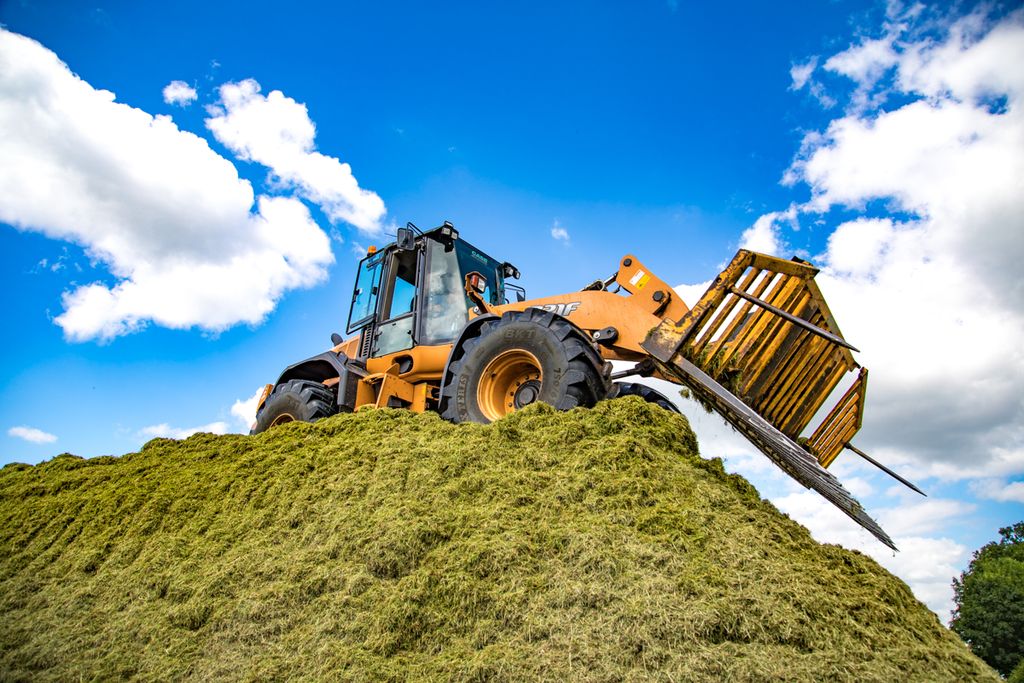
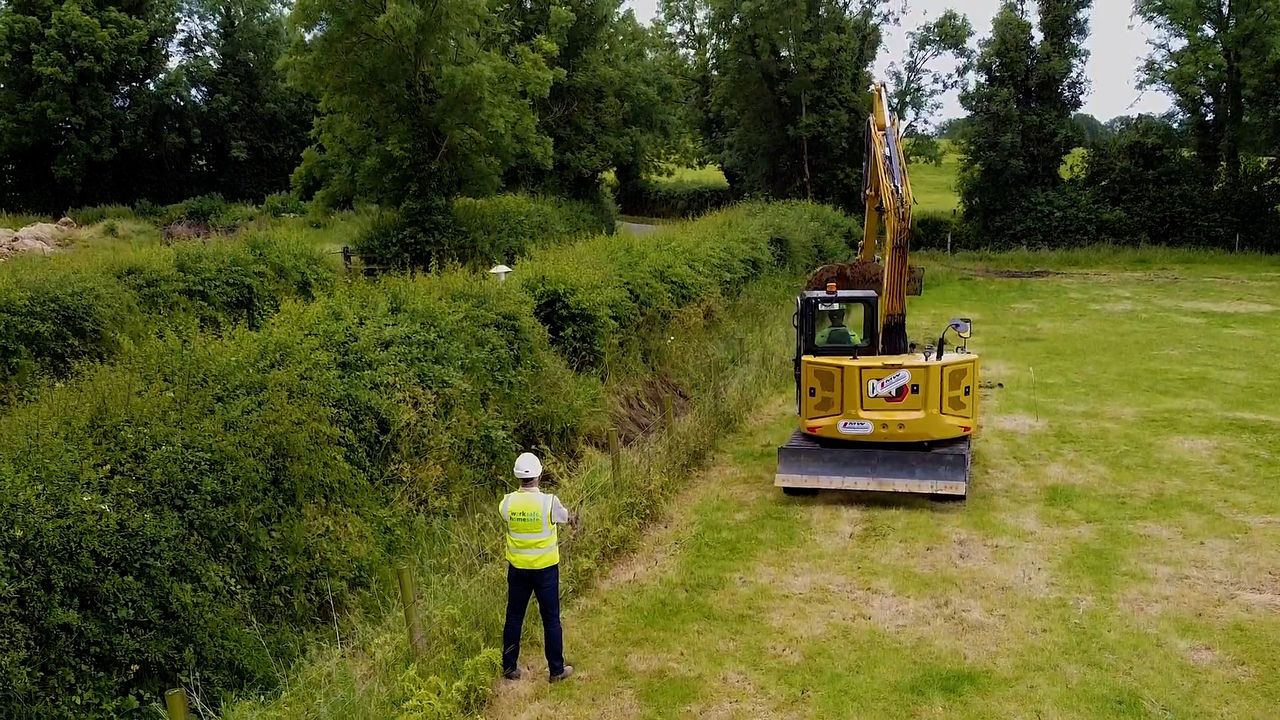
Keep the yard tidy, and trim back bushes or branches at gates or entrances to make sure machines can safely access public roads and go in and out of the yard.
Quite often when silage is being harvested, children will come down to have a look as excitement builds with the big machinery, but this needs to somewhat controlled to ensure that any young person around the yard is supervised and safe.
The height of the pit needs to be a concern - it should ideally not go beyond the height of the walls as that would only make it increasingly more dangerous to rake on top of it and to cover it.
Breeding
At this stage of the breeding season, AI will take up a lot of the time as, generally speaking, the first three weeks of the breeding season is generally when farmers tend to use their AI straws.
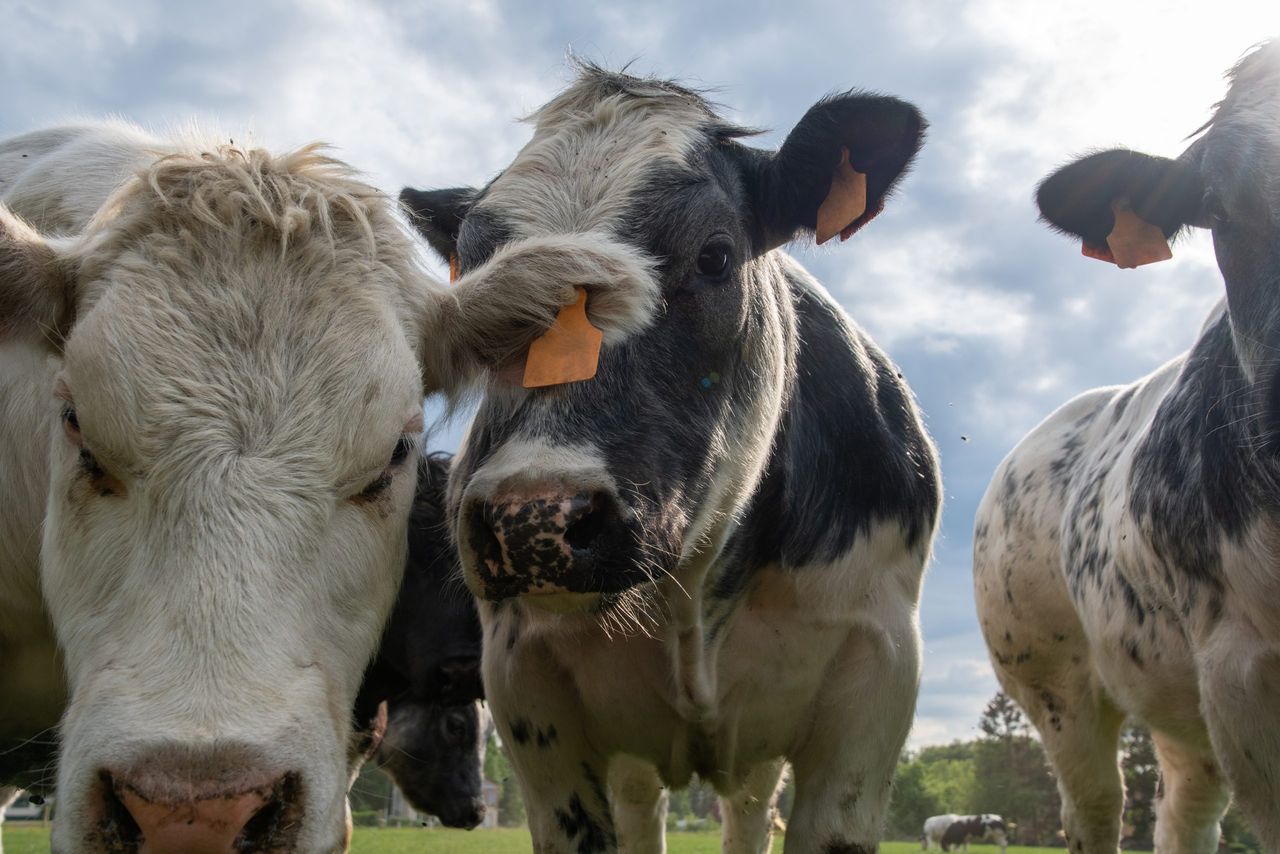
However, there is still more than likely a good number of farmers with stock bulls out with cows, or even separating cows that are not suitable for AI to go into the pen with the bull.
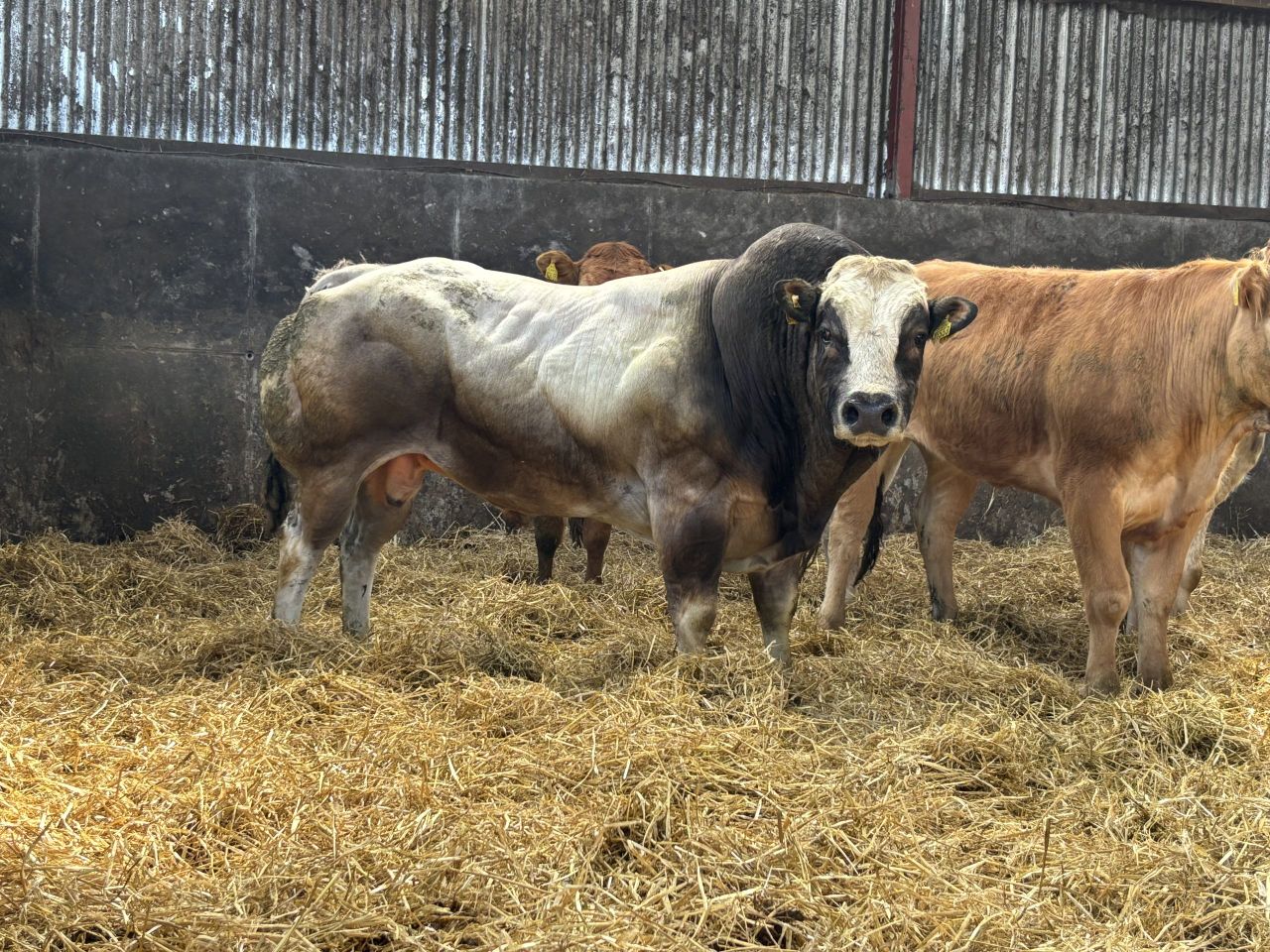
Even though stock bulls may be well used to being handled, farmers know that they can turn at any stage and still pose a serious threat, if they are not handled with diligence.
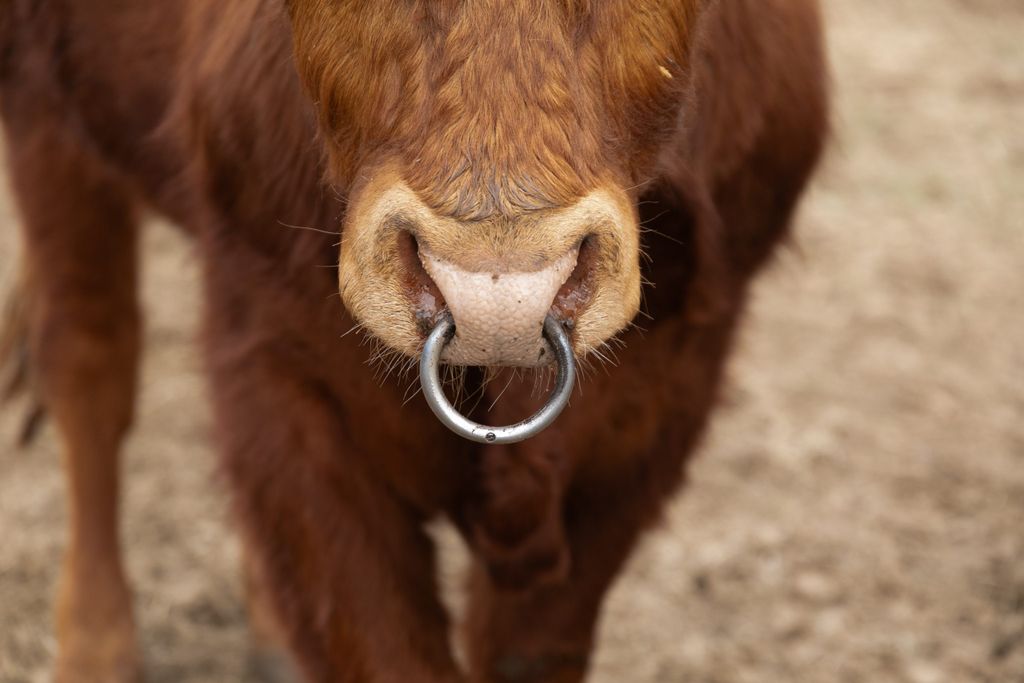
It is important that a bull is familiar with people, but not overfamiliar - a safe distance should be maintained at all times.
A bull’s temperament changes as it matures, from playful aggression as a yearling to defensive, territorial aggression at two or three years-of-age.
Bulls should be ringed from 10 months-of-age, with a chain attached when grazing.
There should be a zero-tolerance policy towards any bull showing signs of aggression.
It is important to carry a walking stick when walking through the fields with animals, keeping the bull in your sight at all times and never turning your back on him.
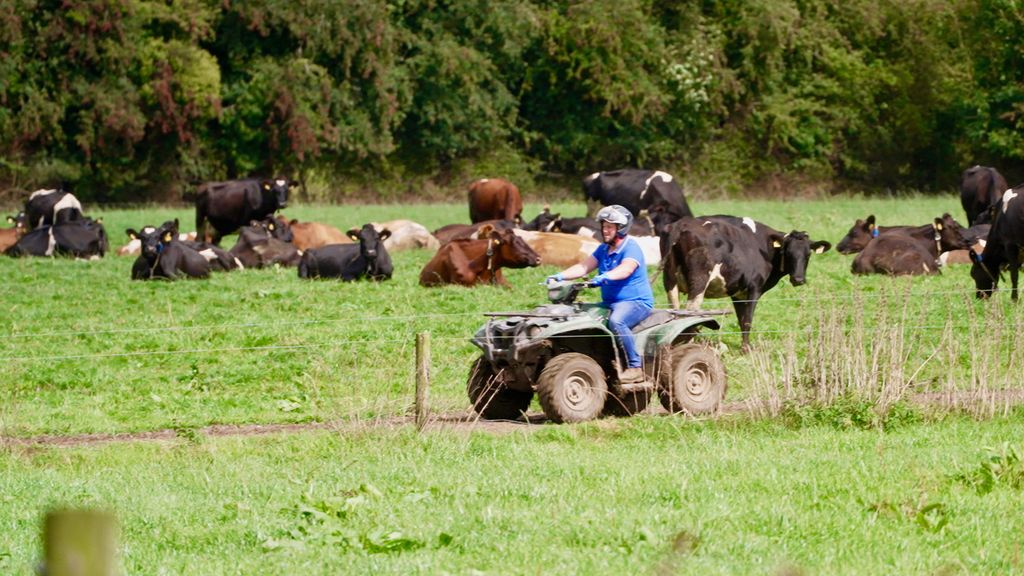
Using a vehicle when herding the cows is advisable as it will allow for a quick escape should the bull attack.
Unless in a vehicle, children should not be around the cows when there is a bull running with them, as the bull can become territorial.
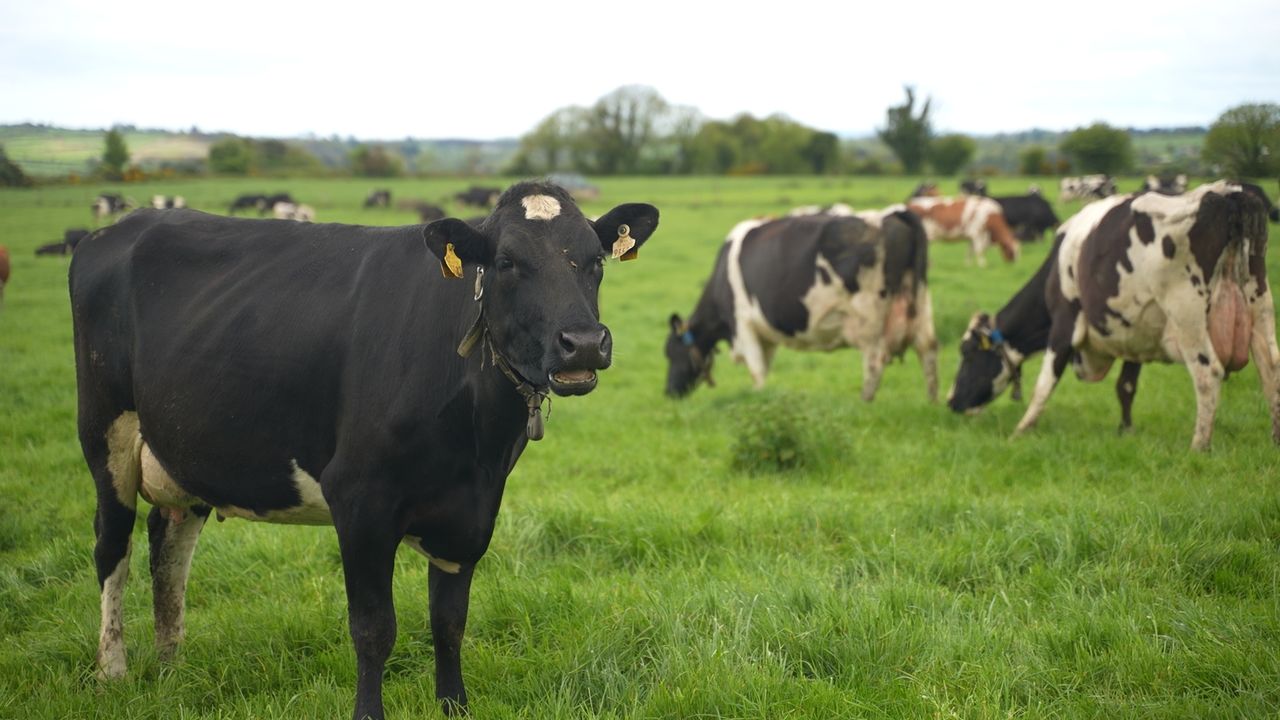
When cows are getting artificially inseminated, they are being handled a lot and this increases the risk of injury.
Handling of cows should be done using the right facilities.
Farmers should take their time moving cows and making their way around the handling facilities, as you do not want to stress the animals, which may only cause injury to yourself or the animal.