Ireland's hidden asset - fueling the whey for the dairy industry


With global oversupply reducing milk prices since the end of 2025, co-ops have the opportunity to capitalise on Ireland's competitive advantage.
Previously a disregarded product, whey has grown into a €7 billion global market.
This has been largely driven by demand from sports nutrition brands in the health and fitness sphere, infant formulas and in more recent years, weight loss medications.
According to Carbery Group's 2024 financial report, the global sports nutrition market was valued at €30.5 billion, with over 80% coming directly from protein product demands.
In 2025, as Irish dairy exports toppled €7.8 billion, Irish whey protein contributed €360 million to the total figure.
Bord Bia disclosed in their Export Performance and Prospects Report 2025-2026: "EU commodity whey prices for the first 10 months of 2025 were 19% ahead of the EU monthly averages for 2024, with higher value whey powders benefitting from increased demand for protein across key markets".
Protein pioneer
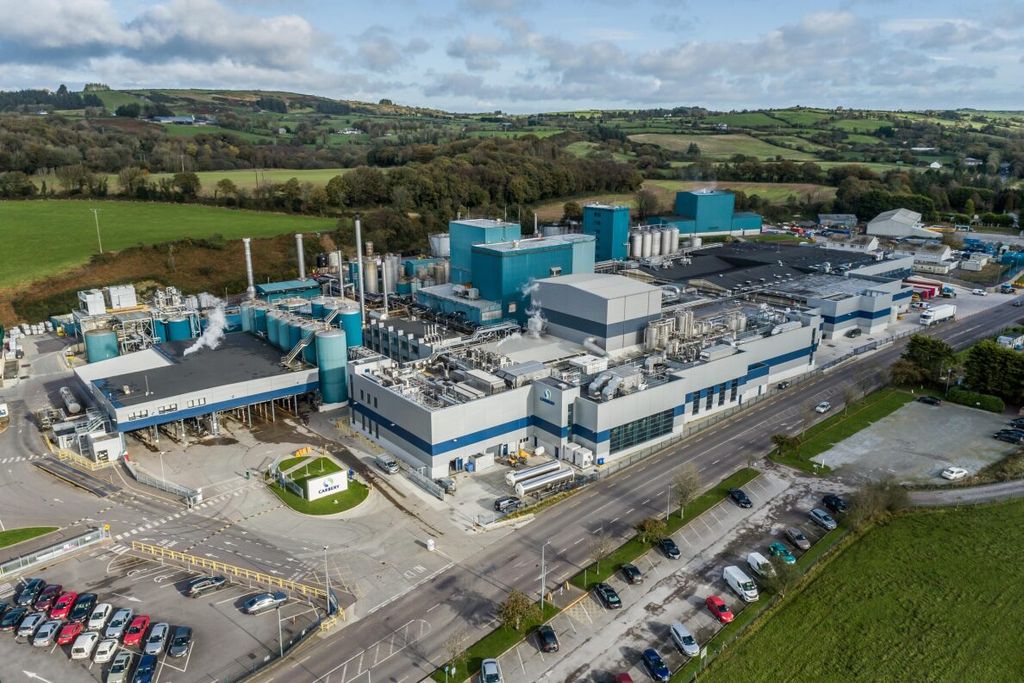
Carbery Group, the west Cork processor that processed 574 million litres of milk in 2024, was one of the first of its kind to engage in whey production in Ireland.
According to Carbery's 2024 report, the demand for whey protein has been driven by several key rising trends:
- Health and fitness;
- Ageing population;
- Weight loss applications (Ozempic and Wegovy);
- Infant nutrition.
According to Carbery's Horizon 10 report, global demand is surging for the weight loss medication GLP-1, with the market projected to reach $160 billion by 2030.
This "rapid" adoption is driven by their effectiveness as GLP‑1 medications "suppress appetite by slowing digestion" and enhancing "fullness signals".
Carbery's flavouring and taste solutions subsidiary, Synergy, suggests "the biggest beneficiary of the GLP-1 boom has been whey protein isolates, and in particular, clear whey.
"Significant numbers of GLP-1 users struggle to obtain sufficient protein intake on a calorie-reduced diet, making supplementation an obvious solution", Synergy suggests.
Casein complement
As Bord Bia reports, casein is a protein dense powder, mainly due to its high protein content and emulsification properties.
It is used to produce analogue cheese mainly for pizza toppings, yoghurts, liqueurs, bakery/confectionary, pharmaceutical, and sports nutrition products.
According to Bord Bia, Ireland is the second largest exporter of casein in the world.
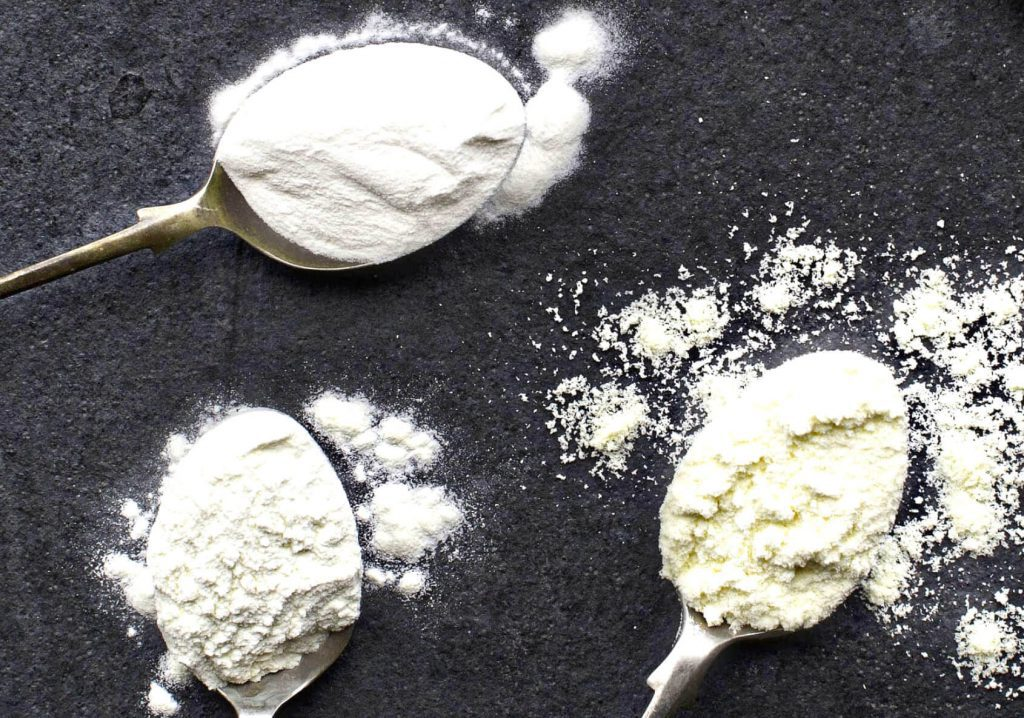
The two main casein specifications are acid and rennet casein.
Both are made from pasteurised skimmed milk and distinguished by either the addition of an acid or a rennet enzyme.
As Irish dairy farmers have come to know, casein is susceptible to price volatility and evolving market dynamics.
Irish casein exports were worth €470 million in 2025, Bord Bia announced.
According to Rabobank's Tom Booijink, senior dairy specialist for Europe and Africa: "Against this backdrop, Ireland’s performance stands out".
Booijink commented on Ireland’s export data for casein, adding "its share of global trade has historically remained just below 30%, ranging from 29.5% in 2021 to 26.6% in 2024."
In 2025, however, Ireland crossed the 30% threshold for the first time, reaching export volumes of 56.4 thousands of metric tonnes (kton), according to Booijink.
Ireland’s casein exports grew by "an impressive 13.5% on a volume basis, driven primarily by shipments to the US" he added.
Rabobank reports Ireland’s share of global caseinate (a neutralised protein powder) exports doubled from 6% in 2022 to 12% in 2025, reaching 10.6kton.
'At the forefront' of innovation
Tirlán solidified its position as a key player in the whey industry as it announced its plan to invest €126 million in a whey processing facility at its Ballyragget site in Kilkenny in November 2025.
Booijink highlighted that the project will "further strengthen Ireland's footprint [in the industry] from 2027 onwards."
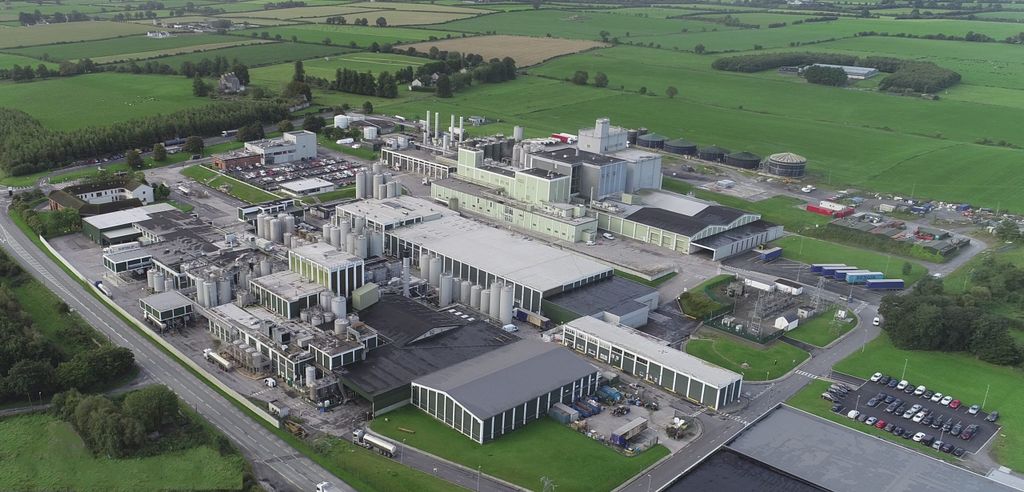
Tirlán chairperson, John Murphy, said at the time: "This is our largest value-add investment ever – a bold step forward in our journey to move further up the value chain.
“Ballyragget is already one of Europe’s largest integrated dairy processing sites, and this development will position Tirlán at the forefront of global nutritional protein innovation," Murphy added.
Tirlán chief executive, Seán Molloy, stated that the investment will enable Tirlán to "diversify" its product mix, ensuring it remains "relevant in a changing and growing market."
EU dominance
Dairy Ireland, one of Dairygold's business units, has identified casein as one of its highest-margin returning products.
The co-op seized this prospect with their casein production plant, commissioned in 2025, which is now one of the largest of its kind in Europe.
According to its 2025 annual report, Dairygold is expanding its nutritional consumer powder capabilities by developing new products to generate higher margin and meet market demand.
Doing it the grass-fed whey
Kinetica, once owned by Carbery Group, is a leading sports nutrition company that has capitalised on the growing demand for protein solutions.
As Kinetica states on their website, "grass-fed whey protein is typically low in fat and lactose, which makes it easier for those who are lactose intolerant to digest".
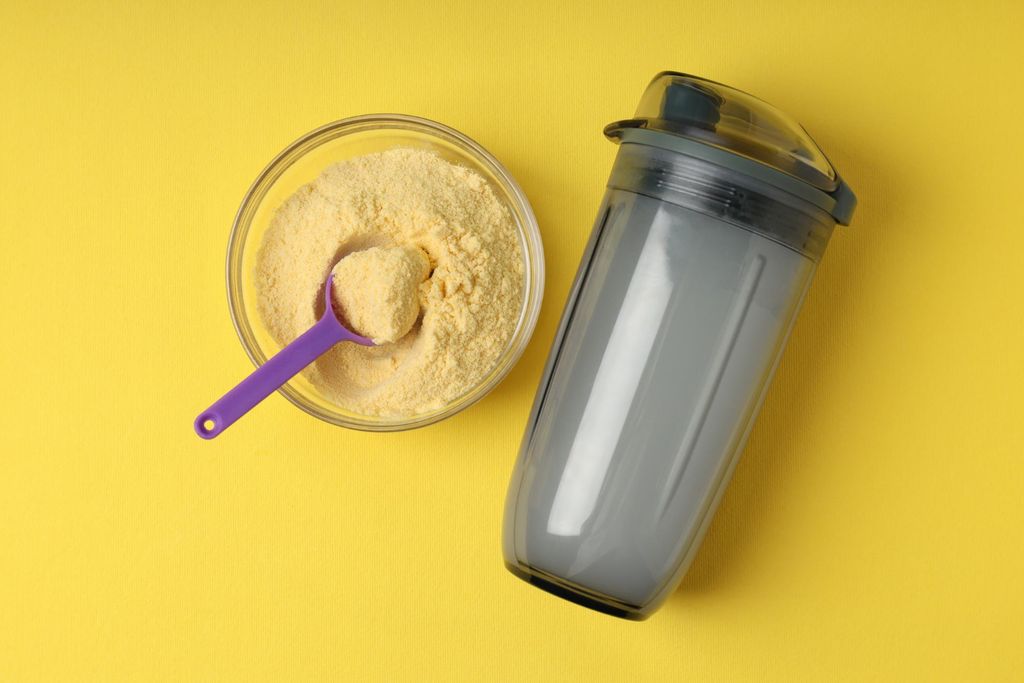
According to Kinetica, grass-fed whey has a superior nutritional profile compared to grain-fed whey.
"It can be considered to be superior to conventional whey protein because it is higher in important nutrients like omega-3 fatty acids and conjugated linoleic acid (CLA), which are found in higher amounts in grass-fed milk," it added.
Global scale
Ireland hosted the 11th International Whey Conference, ‘The Whey Forward’ in Dublin in 2024.
Engineers, scientists and global experts in whey processing attended the conference to discuss trends, technologies and applications in the industry.
Looking further afar, New Zealand's Fonterra invested $75 million in their production of high-value protein dairy ingredients in 2024.
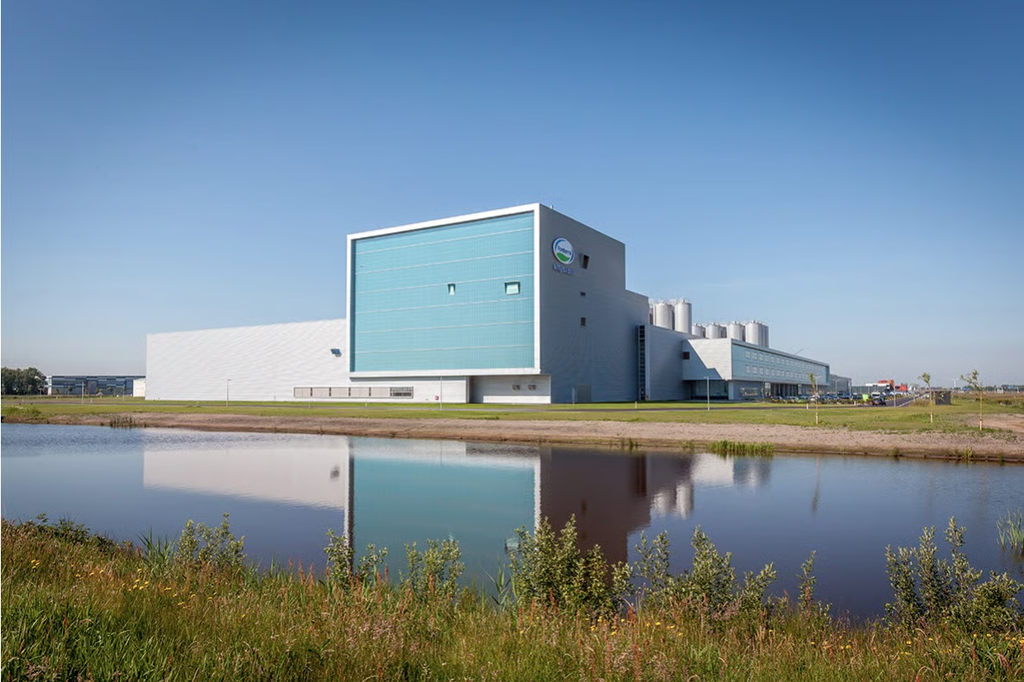
The co-operative has also invested heavily in its European operations, with a joint venture with Dutch cheese producer A-Ware in 2014.
Fonterra's "state-of-the-art factory" in Heerenveen outside Amsterdam produces lactose and whey protein powder for sale across Europe.
Looking ahead
Ironically, the increase in the demand for powdered products may mean that the once ‘waste’ component out-performs the main commodity – cheese.
Rabobank told Agriland: "As with most protein ingredients, growth rates for casein continue to outpace those of mainstream dairy products by a significant margin."
Laurens van Delft of the European Whey Processors Association (EWPA) told Agriland: "Demand for whey proteins is growing strongly and could outpace cheese in certain segments or markets.
"However, as whey is still largely derived from cheese production, supply remains structurally linked to cheese volumes.
"Although this relationship may evolve over time as processing strategies and new technologies develop," van Delft added.
In the wake of the global oversupply of milk last year, some industry analysts might suggest that the Irish dairy sector has the scope to change the 'whey' the industry operates.