ICOS warns of 'enormous financial challenge' to secure fertiliser for 2027

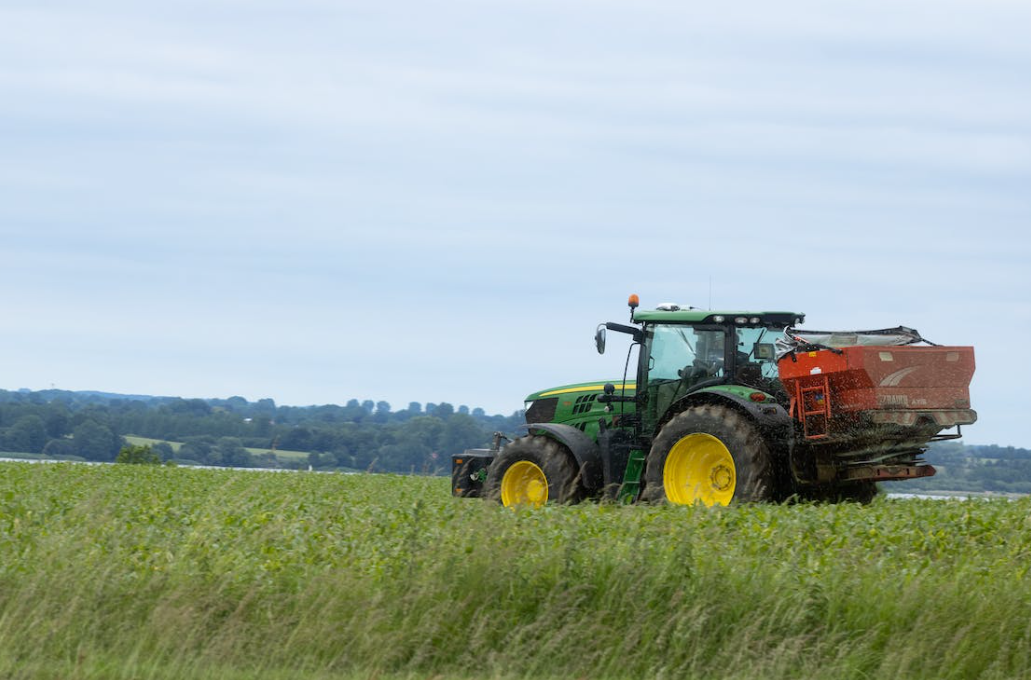
The Irish Co-operative Organisation Society (ICOS) has warned of an "enormous financial challenge" associated with ensuring that enough fertiliser is secured for 2027.
ICOS president Edward Carr has said that in order to lock-in supplies, co-ops and others in the supply chain will "have to take a position and risk financial exposure against what looks like to be very high prices".
He told politicians at a Oireachtas committee meeting that there is a role for the Department of Agriculture, Food and the Marine to "help de-risk this investment and to share this exposure in the national interest and in the interests of our food producers".
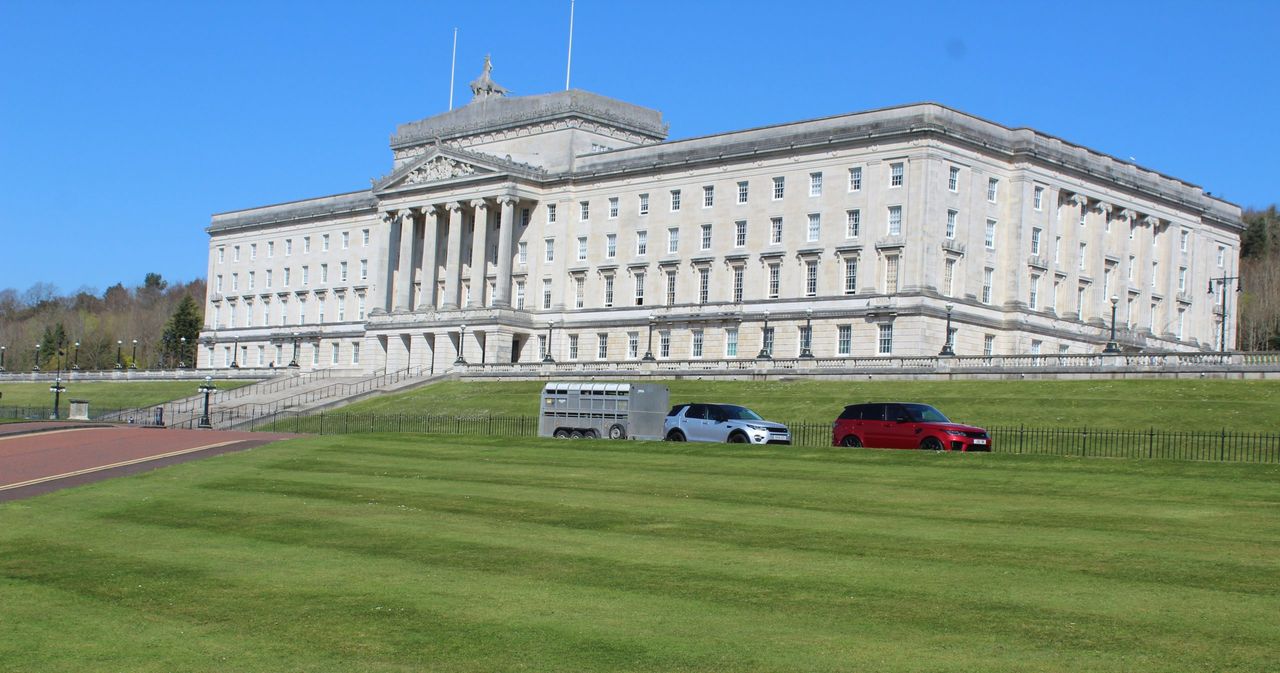
The soaring cost of fertiliser due to ongoing war in the Middle East is the main focus for the Joint Committee on Agriculture and Food at its meeting this afternoon (Wednesday, April 29).
The meeting in Leinster House is hearing from representatives of ICOS and the Association of Farm and Forestry Contractors in Ireland (FCI).
The practical closure of the Strait of Hormuz, located between Iran and Oman, is impacting on global fertiliser supply chains and, as a result, prices.
Fertiliser cost and availability
Edward Carr said implications of the conflict for fertiliser cost and availability are "even more pronounced due to higher energy prices with consequences for all major producers of fertilisersincluding in Europe".
"Furthermore, recent weeks have also seen countries respond to tightening supply conditions," Carr said.
"China, Russia and Turkey have introduced or expanded export restrictions to safeguard domestic availability.
"Meanwhile, India has launched several major tenders to secure its fertiliser supply.
"Consequently, in Ireland, we have seen significant pressure on fertiliser cost in recent weeks, with average urea costs increasing by 43% and other fertilisers such as CAN by 24%."
He said that excessive input cost inflation experienced in 2022 "remains a significant challenge" for the agri-food sector.
"Against the backdrop of downward pressure on output prices, further increases in farm level costs is deeply concerning, andnot sustainable," Carr continued.
"In comparison to 2022, high output prices, particularly in the dairy and tillage sector, cushioned the impact of excessive cost inflation.
"In contrast, today, there is simply no capacity to absorb anymore cost shocks."
Carr said that relatively speaking, Ireland is a small market in respect of fertiliser sales and usage.
"In 2025, we imported 1.7 million tonnes of fertiliser. We have no domestic production of fertiliser (apart from lime)," he said.
Supply
Carr said there has been "one silver lining" from the introduction of the Carbon Border Adjustment Mechanism (CBAM), which ICOS strongly opposes.
This is that "significant advance buying of fertiliser occurred in the last quarter of 2025, in readiness for the introduction of the tax in 2026".
"The challenging spring weather conditions have also meant that overall usage is lower compared to previous years.
"This has helped maintain availability, although costs have increased," he said.
"Every conceivable effort will be made to secure sufficient supplies for this year, and the co-ops are actively working on securing the needs of their farmer members for the remainder of the year."
Outlook for next year 'uncertain'
ICOS estimates that 75% of fertiliser requirements for this season are already in the country, and Carr said product is still arriving by sea.
However, the outlook for next year remains very uncertain, he told the committee.
"Every day the Strait of Hormuz remains closed is a major worry," he said.
"We believe the impact of the crisis will hit even harder in 2027, unless preparations are made by government to reduce the risks facing the fertiliser industry, co-ops and farmers.
"The massive uncertainty and elevated costs bring significant risks.
"The EU and national authorities need to support and help mitigate this risk, otherwise the crisis will deepen further from a cost and supply perspective."
ICOS has called on the government to "actively engage" with all stakeholders in the fertiliser supply chain ahead of the 2026/2027 season.
Carr added: "We need to take advantage of the opportunity provided by the EU in terms of temporary state aid rules that will support measures designed to alleviate the excessive cost of fertiliser".
He also told the committee that one immediate action that would help alleviate the situation is the suspension of CBAM, which he said is having a "huge impact on cost and availability".