Sponsored
How this Offaly farmer fits Herefords into his dairy-beef system


Sponsored by

The Rigney family farm at Pallas Park, Blue Ball, Tullamore, Co Offaly is run by Paul Ross and his father Paul.
The Rigneys are new entrants to dairying since 2020, with the farm previously operating as a suckler beef enterprise; finishing bulls under 16 months-of-age and buying in suckler bred weanlings.
Two Lely robots are now in place to milk the 120-strong dairy cow herd with 60 of these cows of Fleckvieh breeding, while the other 60 are Holstein-Friesian genetics.
The farm still shows some of its historic roots, with traditional stone walls in great condition and the traditional buildings combining well in the farmyard with some sheds that were used for the suckler cow enterprise, as well as a modern, purpose-built dairy unit.
The current beef cattle housing is made up of slatted units, with rubber matting in place for added cattle comfort.
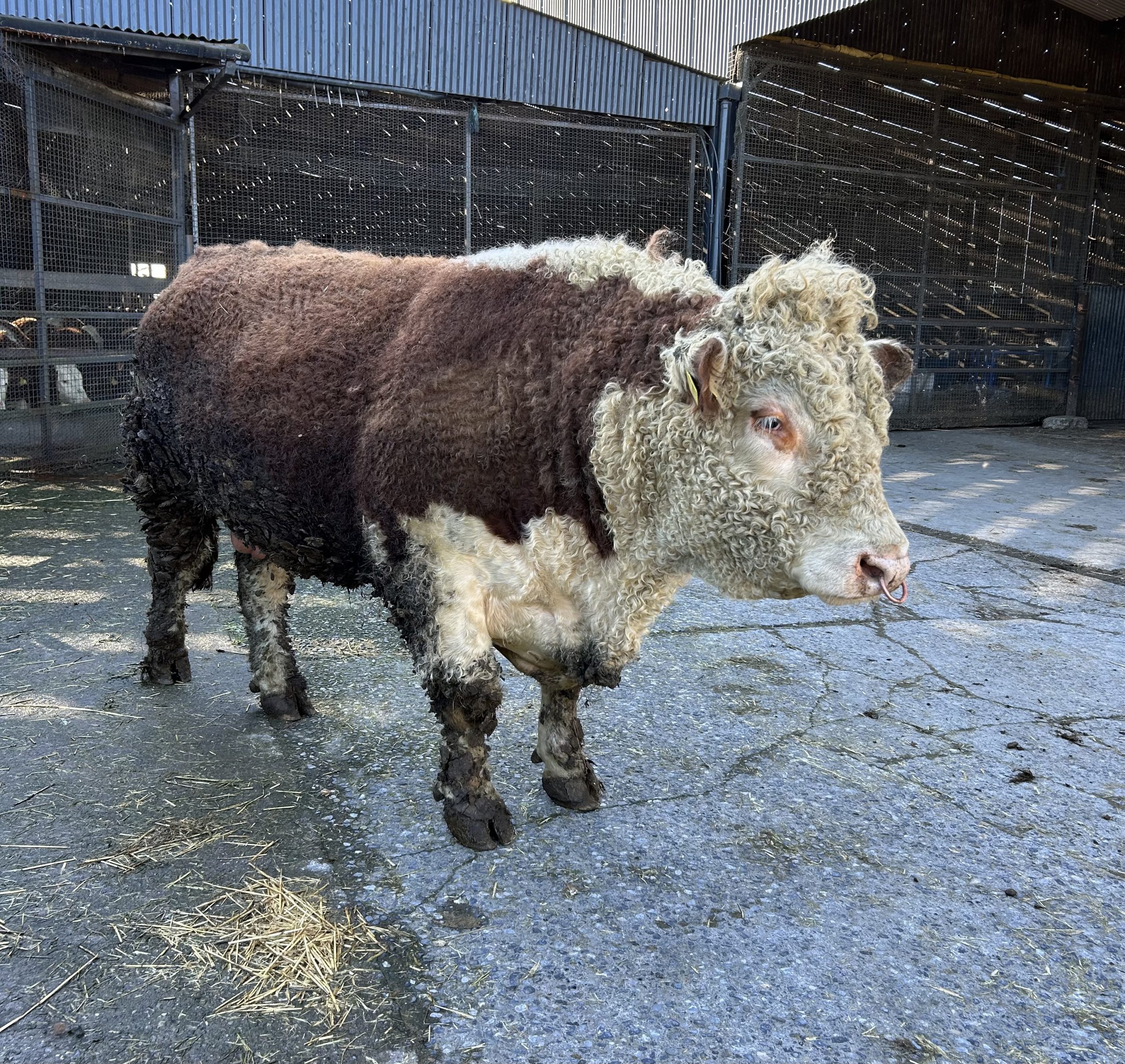
Paul Ross had 60 Hereford-cross calves born this spring. Next year, the plans are to have more Hereford-cross calves as Paul has purchased a second Hereford bull to run with his heifers.
When buying a bull, Paul visually looks at the animal first, with his preference being that the bull has good size.
He also looks at the carcass-weight figure on the ICBF system.
Calf vigour is an important trait for Paul to see in his calves.
He said: "A good hardy calf is a must to help with colostrum intake and getting up and going."
Paul Ross also likes that Hereford-cross cattle can be finished earlier, suiting their system and keeping the stocking rate lower on the farm as all beef animals are slaughtered well under two years-of-age.
He said: “It’s very hard to tell the future of beef farming but I am happy with my current system of milking with the robots and also having a number of beef animals coming through the system each year.
"Having beef stock to sell at the end of the year or into January or February brings some cash flow even before cows calve and the milk is being collected.”
Vaccinations
Paul Snr is the farm’s “on-site vet”, with Paul Ross’s sister, Aideen, also a practicing veterinarian, the herd’s health is in good hands and is seen as a high priority for the Rigneys.
Vaccinations are administered to the dairy cow herd for infectious bovine rhinotracheitis (IBR), bovine viral diarrhoea (BVD), salmonella, leptospirosis, rotavirus and coronavirus.
The programme for the calves consists of vaccinating for IBR and clostridial diseases (e.g. blackleg).
With regards to vaccinating for bluetongue, Paul has felt he needed to vaccinate the breeding stock in the herd.
Grazing
The grazing infrastructure is well laid out, with a paddock system in place across the entire farm for the beef cattle and the dairy cows.
In a “normal” year, the dairy herd normally get out from February 14. The rain of spring 2026 however, delayed this until March 1.
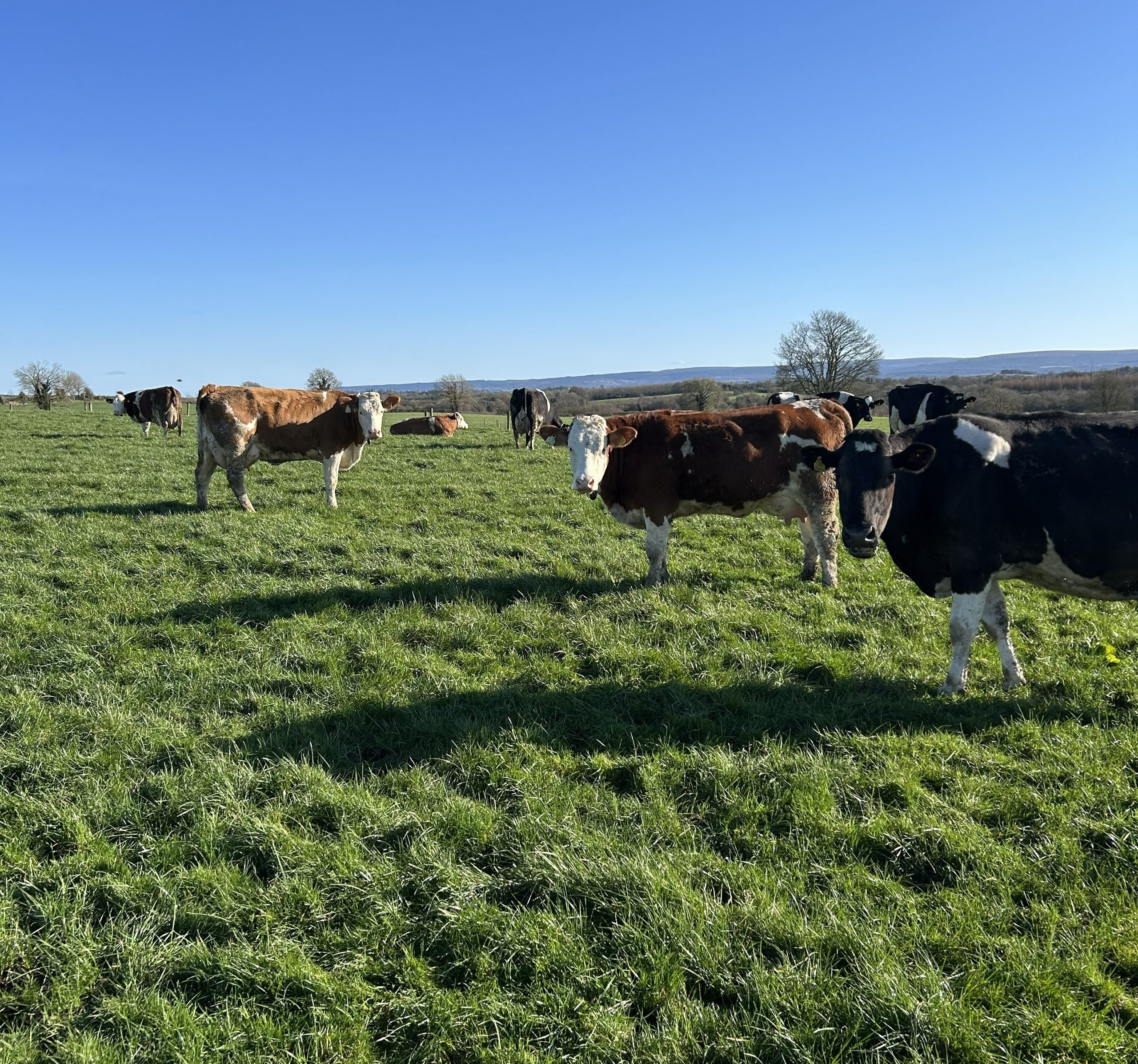
The beef cattle are typically turned out around St. Patrick’s Day but were also later getting to grass this year despite the dry nature of the farm.
Before going dairying, Paul Ross previously reared 40 Hereford-cross beef calves as part of the ABP Blade programme.
He is now part of ABP’s advantage programme which pays a sustainability bonus on qualifying cattle, while also qualifying for Irish Hereford Prime breed bonuses of up to 20c/kg.
Steers are typically finished at 21-23 months-of-age while the heifers are finished off grass at 17-19 months-of-age, which is a great example of how the Hereford breed can fit into an efficient farming system, given their lower age at finish combined with attractive bonus payments.
Sponsored by


