Germany to rewet 90,000ha of land while 'continuing to pursue agriculture'

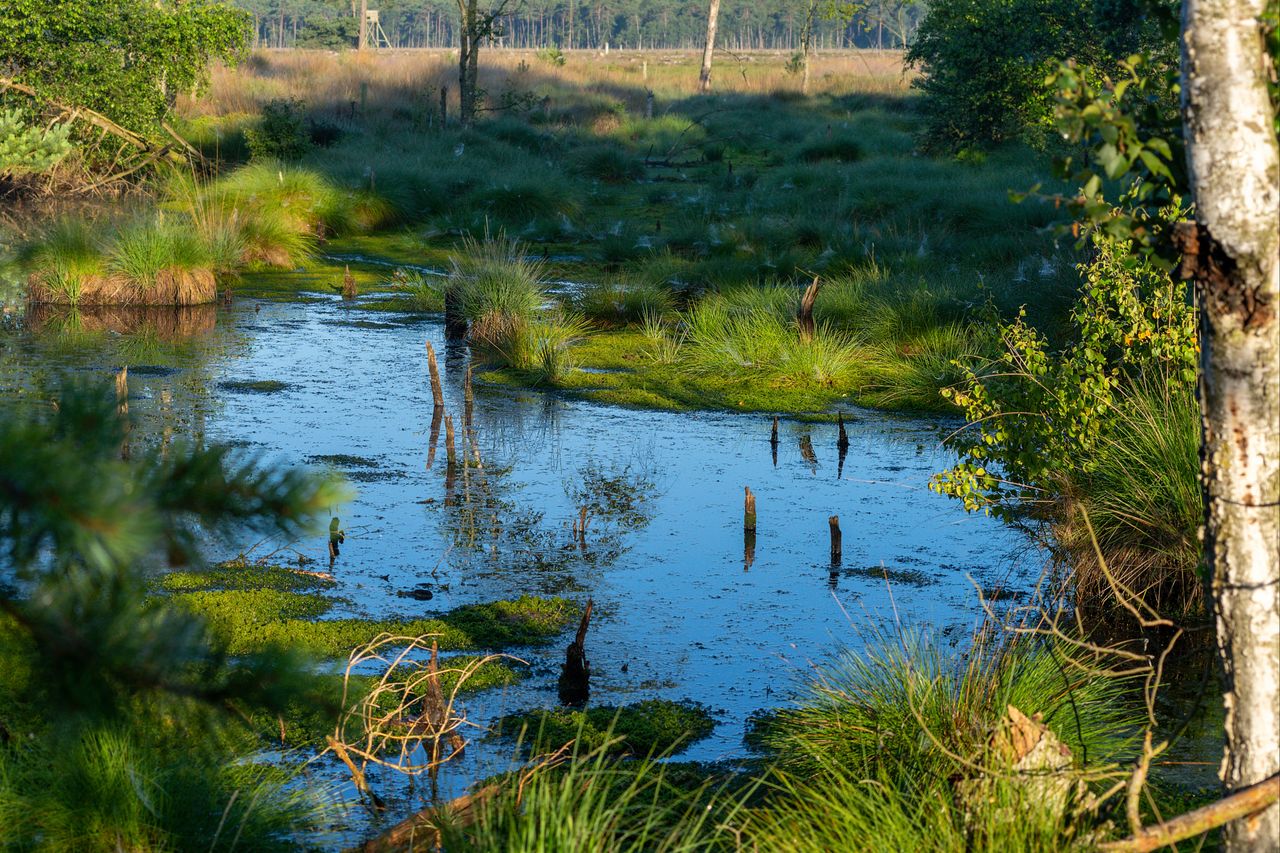
Germany is aiming to rewet 90,000ha of land over the next few years while incorporating agriculture and forestry.
The voluntary programme is unique not only because of its scale, but its approach: agriculture and forestry production will continue on the rewetted land, just differently from before.
According to Federal Environment Minister Carsten Schneider, until the end of 2029, the German government will provide around €1.75 billion euros from its Climate and Transformation Fund to support the transition.
It was approved by the European Commission.
Minister Schneider said: "The peatlands in Germany have been drained over the course of centuries.
“We are experiencing the consequences today. Groundwater levels are sinking, forests are drying up, and the greenhouse gases being released are heating up the planet.
“This support programme marks the start of a trend reversal.”
‘Advantages that benefit everyone’
The minister added that the funding can give peatland regions in Germany, and in particular the farming and forestry sectors, "a real prospect for the future".
“Continuing to pursue agriculture on rewetted land enables us to retain water in the landscape without forgoing use.
“This approach has advantages that benefit everyone: it provides a buffer against heavy rainfall and stores water for periods of drought.”
Minister Schneider said that with this approach, “groundwater reserves are replenished, making adequate water available for a large surrounding area”.
"Peatlands can once again become the natural air conditioners for the climate that they were for thousands of years," he added.
The new programme funds planning and implementation of rewetting and provides compensation for value losses in land ownership and use.
Peat soils
According to Germany’s Federal Ministry for the Environment, Climate Action, Nature Conservation and Nuclear Safety, drained peat soils “decompose and continuously release carbon” making them “less usable" for agriculture over time and lose their value in the long-term.
The ministry said: “Rewetting stops and reverses the decomposition process.
"This gives agriculture and forestry a prospect for the long term.
"The areas are also transformed from greenhouse gas emitters – most recently estimated at over 50 million tonnes of emissions – to greenhouse gas sinks.”
Ireland's Nature Restoration Plan
Closer to home, a major report on Ireland's Nature Restoration Plan was published in Dublin last week.
The Independent Advisory Committee’s (IAC's) report sets out 94 recommendations to guide how Ireland will meet its obligations under the EU Nature Restoration Law.
On the subject of rewetting, the report recommended that where participation is related to “voluntary rewetting of a farmland”, this should be “undertaken within a framework of state-led and resourced geological, hydromorphology, and catchment-based maps”.
Hydromorphology is the study of how water bodies shape habitats.
Participation should also, according to the report, “remain cognisant of potentially affected farmers’ concerns and mitigate the consequences of knock on effects”.
The report also noted that farmers and foresters are "united in their request” that where ecosystem services such as natural flood plains are to be restored, “there must be an economic incentive for the landowner”.
The report went on to discuss “ecological literacy" for farmers, fishermen and foresters.
This includes supporting “further integration and emphasis on biodiversity, hydromorphology, rewetting of organic soils, and nature education within the Green Cert and agricultural qualifications across the sector, with easy-to-access training programmes for farmers”.