Sponsored
Effective weed control for higher yields and better-quality forage


Sponsored by

After an exceptionally wet spring that has delayed fieldwork and set crops back, many farmers are now under pressure to get on top of docks in silage ground.
As conditions finally improve, a narrow but crucial window is opening to tackle infestations ahead of first-cut silage.
Docks remain one of the most damaging weeds in grassland, competing aggressively with grass for light, nutrients and moisture.
Even moderate infestations can reduce dry matter yield by up to 1t/ac, while significantly lowering silage quality and feed value.
For effective, long-term control, DoxstarPro from Whelehan Crop Protection continues to set the standard.
Start clean, stay productive
Applying DoxstarPro ahead of first-cut silage not only improves immediate yield and forage quality, but also delivers a cleaner, more productive sward for the rest of the season - whether for second-cut silage or grazing.
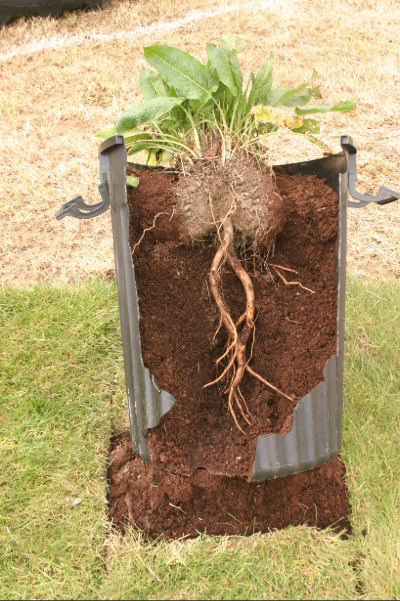
Docks are a persistent, deep-rooted weed, with root systems extending up to 1m below ground.
Superficial control simply is not enough.

DoxstarPro combines two powerful active ingredients - triclopyr and fluroxypyr - to deliver effective translocation throughout the plant, ensuring a thorough kill from leaf to root.
It also provides strong control of other key weeds, including dandelions and chickweed.
To achieve the best results, application timing is key.
Docks should be sprayed when they are actively growing, at the rosette stage approx. 15-25cm (6-10in) high or across and before seed heads emerge.
The ideal window is typically two to four weeks after nitrogen application, when growth is strong and uptake is maximised.
Once docks begin to seed, control becomes less effective as nutrients - and therefore herbicide - are directed upwards rather than down into the root system.
Plan ahead for silage cutting
For optimal long-term control, it is essential to allow sufficient time after application.
Farmers should leave a minimum of three weeks between spraying DoxstarPro and cutting silage.
This ensures full translocation of the active ingredients into the root system, delivering lasting results.
Left unchecked, docks can quickly undermine both productivity and profitability on livestock farms.
Beyond yield loss, docks have a direct impact on silage quality. It leads to only around 65% of the feed value of good grass, reduced palatability for livestock, poorer fermentation in the pit, and increased risk of punctured bale wrap from tough stems.
A simple step with lasting benefits
Taking action now to remove docks before first cut offers clear advantages giving higher dry matter yields, improved silage quality and feed value, cleaner swards for subsequent cuts or grazing and reduced long-term weed pressure.
For farmers looking to protect both yield and forage quality this season, DoxstarPro provides a reliable, proven solution.
About DoxstarPro
- Contains two active ingredients: triclopyr and fluroxypyr;
- Delivers effective, systemic control of docks;
- Also controls chickweed and dandelions;
- Apply when docks are actively growing at 15-25cm and before seed heads appear;
- Leave a minimum of three weeks before cutting silage;
- Apply at 2L/ha as a single spray, or 1L/ha in split applications (6-12 months apart).
Sponsored by


