‘Yesterday’s vote was not a vote on Mercosur’ – McEntee
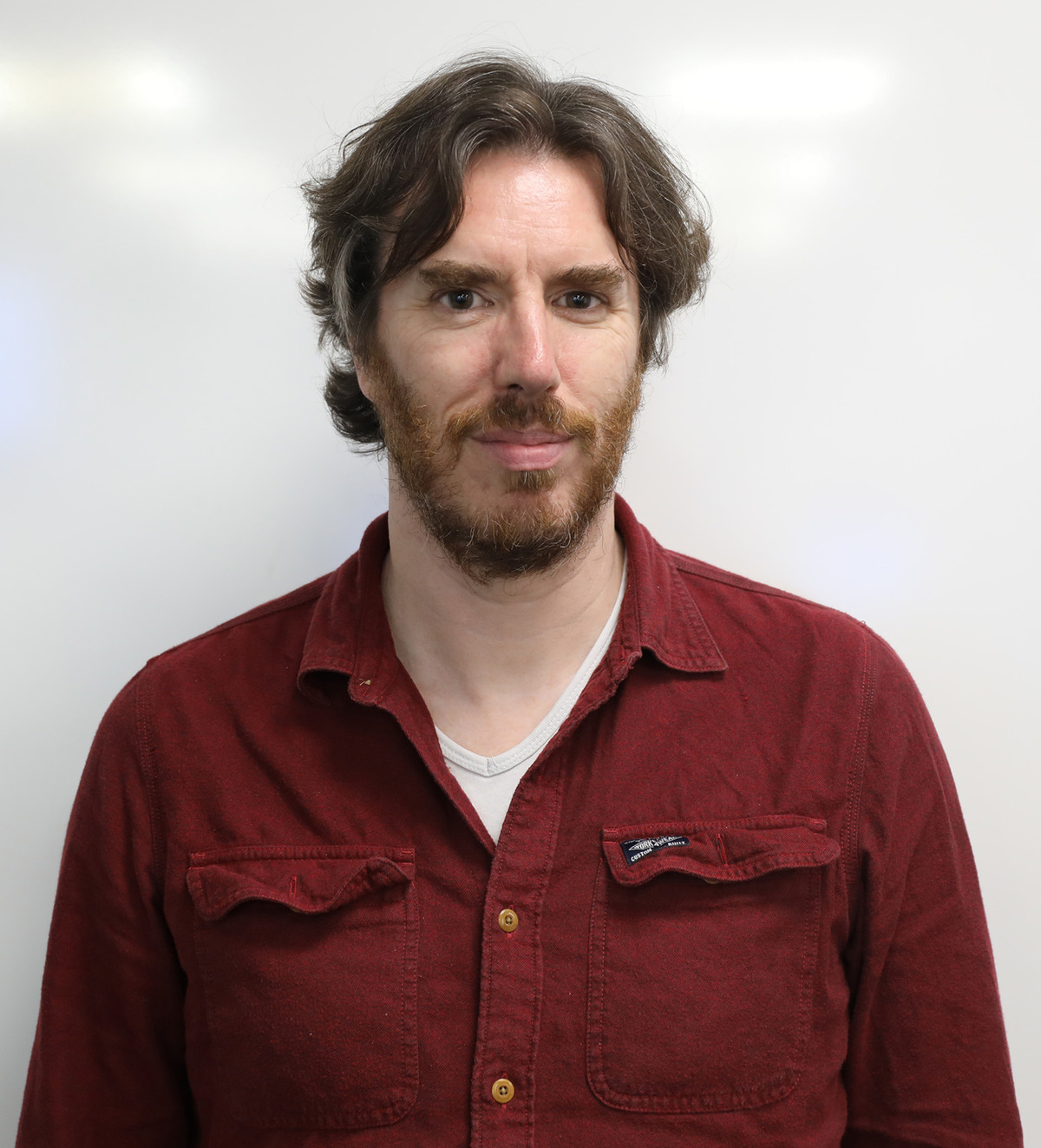

Many elements of the Mercosur Agreement "are very positive and will be positive for Ireland,” Minister for Foreign Affairs and Trade Helen McEntee said today (January 22).
Speaking at an event to mark Ireland’s forthcoming EU Presidency, the minister noted that there are always “challenges and opportunities” in trade deals, and said that she and her colleagues would “address” concerns related to the Mercosur Agreement.
“[Earlier] I mentioned Ireland’s indigenous industry that’s been here from the outset and supported us through many economic downturns and challenges, and that is our agricultural sector,” she said.
“We have to weigh up and balance what the opportunities are and also the challenges in any trade agreement and that is why the position was taken by the Irish government.”
She continued: “Yesterday’s vote, despite some perceptions, was not a vote on Mercosur in the [European] Parliament, it was a vote on whether or not it should be decided upon by a judge in terms of its legality.
“That in itself reminds us that there are two strands to Europe – the [European] Council and the decisions taken there but also the European Parliament, which has democratically elected members [from] across the whole of the EU.
“We will continue to engage with colleagues on this issue and do what we can to address concerns that have been raised legitimately by our farmers.”
MEPs at the European Parliament in Strasbourg voted yesterday (January 21) by a tight margin of 334 in favour to 324 against a resolution requesting legal advice from the European Court of Justice (ECJ) to see if the EU Mercosur Partnership Agreement and Interim Trade Agreement are compliant with the Treaties of the EU.
This effectively delays the formal ratification of the deal until the legal advice is provided, with some sources stating that it could take 18-24 months.
Tariffs
Minister McEntee also discussed tariffs in light of US President Donald Trump's threat - since withdrawn - to impose them on several European countries in relation to his stated wish to acquire Greenland.
“We have taken a step back from a political and trade conflict from which there would be no winners,” Minister McEntee said.
“The threatened tariffs would have undermined transatlantic relations and are incompatible with the EU-US Joint Statement.
“We will continue to coordinate closely with our EU and wider European partners on the next steps. I have been in touch with High Representative [for Foreign Affairs and Security Policy] Kaja Kallas throughout this week and the Taoiseach will, of course, be attending the extraordinary European Council this evening.
“These developments also underline the importance of Ireland’s EU membership to the daily lives of our citizens.”
Euro-scepticism
Minister McEntee went on to praise the EU, expressing concern over "euro-scepticism".
“The EU is the reason Irish businesses can trade freely across all EU Member States,” she said.
“The EU is the reason our farmers receive essential support through the Common Agricultural Policy.”
She added: “I have taken some time to lay out the advantages of EU membership because there is a very real danger that for those of you – like me – who have grown up only knowing an Ireland, which was part of the EU, these enormous benefits can be taken for granted.
"These benefits are not purely transactional, they are the manifestation of our shared values.
“Ireland enjoys very high levels of support for the EU.”
The foreign affairs minister added that despite these benefits, she is "concerned by a rising level of euro-scepticism in our country".
"It’s still a whisper but its growing louder," she said.
"It puts forward the seductive populist claim that our problems – and like everybody else we have our problems – do not lie in our own hands, they must be the fault of somebody else – and the EU or ‘Brussels’ is a convenient somebody.
“I want to foster a national conversation on Europe because we cannot cede the stage to these voices – we cannot allow these whispers to go unchallenged.”