Winter oilseed rape crops continue to show great promise


Courtesy of its first crop report of 2026, Teagasc is confirming that winter oilseed rape is a valuable inclusion within most crop rotations.
However, there is considerable variation in green area index (GAI) across crops that were planted out last August and September.
Crops that received organic manures in the autumn tend to have higher GAI values, with some already approaching GAI 3.0. Nitrogen can be safely delayed in these crops until mid-March.
In contrast, crops with GAI below 1.0 will require first nitrogen spraying as soon as growth recommences.
Meanwhile, pigeon grazing pressure appears lower than in recent seasons. A fungicide for light leaf spot is advised, particularly where no autumn fungicide was applied.

Oilseed rape yields achieved in Ireland have increased significantly over the past decade.
This can be attributed to a number of factors, including: the breeding of improved varieties; enhanced levels of plant nutrition; and the fact that Ireland’s soils and climatic conditions are particularly suited to the growing of the crop.
What’s more, rape constitutes an excellent break crop option within most tillage rotations.
The only downside to oilseed rape is its predisposition to club root.
As a result, tillage farmers wanting to grow it should be careful not to include any brassica species in any cover crop options they may wish to establish.
In addition, once rape seed has been crushed to extract the oil, the residue represents a valuable protein source for livestock.
Spring beans
Interest in spring beans has increased again for the coming season, driven by comparatively strong margins relative to other spring crops.
Based on the 2026 Teagasc Crops and Returns figures, a 5.0t/ha bean crop is projected to outperform a 7.5t/ha malting barley crop at current prices.
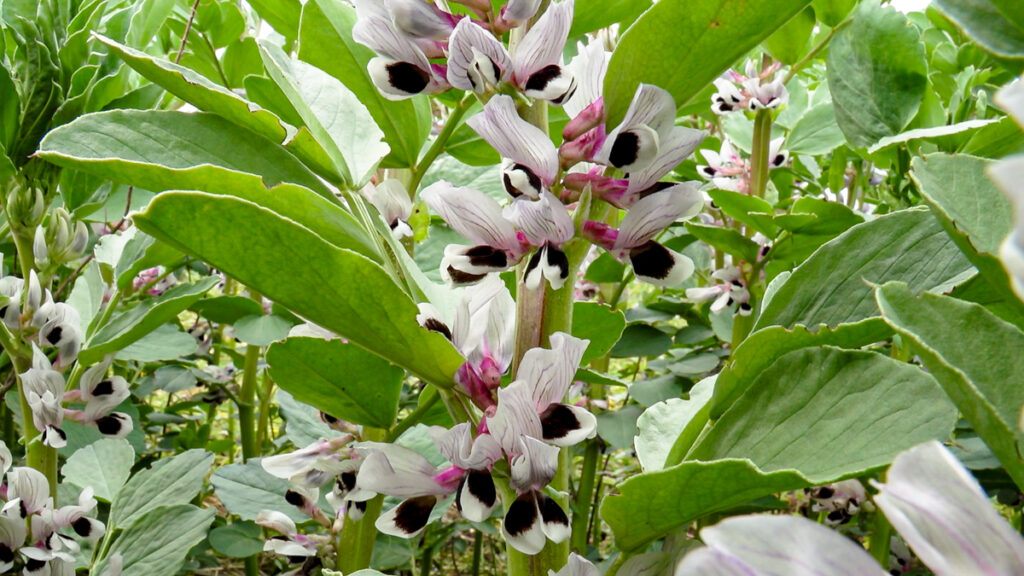
These margins remain heavily supported by the Department of Agriculture, Food and the Marine (DAFM) protein payment, which continues into 2026.
However, growers are strongly advised to ensure a secure market outlet before committing to beans.
Organic manure
Meanwhile, Teagasc is confirming that organic manures provide a valuable and cost-effective source of major and minor nutrients for tillage crops, while also building soil organic matter and improving long-term soil health and resilience.
Because nutrient content and dry matter vary widely by manure type and processing, analysis is essential to match application rates accurately, with potential fertiliser savings of up to €150/ha from typical slurry applications at current prices.