Wildlife legislation review underway with farmer proposals being considered

The National Parks and Wildlife Service of the Department of Housing, Local Government and Heritage is working to review and update wildlife legislation.
This includes the Wildlife Act 1976, Wildlife (Amendment) Act 2000, the European Communities (Birds and Natural Habitats) Regulations 2011, and related regulations.
This legislation covers areas such as the protection of birds, the protection of certain wild animals, and the protection of certain lands, sites and habitats.
According to the Department of Housing, this is an "extensive review and is a multi-year project, and will be carried out in a number of phases".
"It will examine the effectiveness of the legislation in protecting wildlife, preventing biodiversity loss, and regulating activities that adversely impact on wildlife and biodiversity," the department said.
"In doing so, it is seeking to strike an appropriate balance between the needs of humans and the needs of wildlife.
"It is also seeking to ensure compliance with Ireland’s obligations under the EU Birds Directive, the EU Natural Habitats Directive and other relevant directives and international conventions."
The purpose of updating the legislation is to ensure that it works better for wildlife, for biodiversity, for the public, and for those who operate and interact with it, the department explained.
Members of the public and all stakeholders were invited to make submissions on the wildlife legislation review and update in 2024, which was the first phase of public consultation.
In this phase, views on the overall project were invited. Submissions were published recently.
Submissions
A large number of submissions were received to the public consultation, with farmers among those who expressed their views.
In its submission, the Irish Farmers' Association (IFA) said that the "complexity of the current wildlife legislation has led to confusion and inconsistencies".
The IFA made a number of recommendations. These include a multi-stakeholder wildlife legislation review group to be established as part of the review process.
The IFA said the objective of this group would be to "support the review of legislation and ensure meaningful engagement with stakeholder".
The IFA also proposed that a new "farming for habitat and farming for species" payment be introduced to "maximise environmental gain".
This could also "compensate farmers who suffered a loss in income when EIP projects such as the Hen Harrier, Pearl Mussel, Burren schemes end".
"Hill and designated areas should be eligible for the payment," the IFA said.
Among many other recommendations, the IFA said "no further restrictions should apply to lands currently designated" and instead, increased support should be provided and agricultural activity should be allowed to continue.
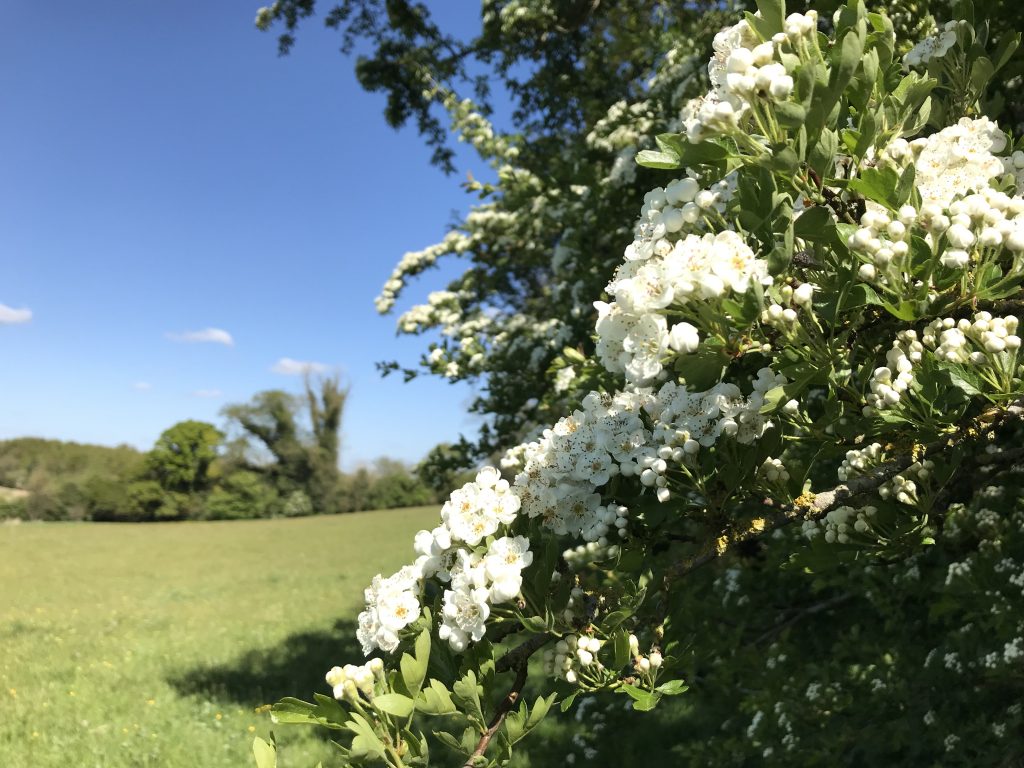
It added that policy incentives rather than increased regulation "should be used [to] support less intensive management of existing hedgerows".
ICMSA
Among its proposals outlined in a submission to the consultation, the Irish Creamery Milk Suppliers' Association (ICMSA) said it believes the hedge cutting closed period, which was extended by the Wildlife (Amendment) Act 2000, should be more flexible.
The association added that it believes "best practice guidelines should be established for hedgerow management", and that farmers should be "encouraged and incentivised to follow best practice".
The ICMSA also said that invasive species "need to be controlled in a greater manner by the state, including Sika deer".
"The numbers to which this species has risen is beyond comprehension and will continue to grow if unchecked," the ICMSA said.
"The devastation to biodiversity and woodland that the deer cause is truly astonishing and must be addressed."
The ICMSA also said in its submission that it was "deeply disappointed with the structure of the consultation and believes that it completely ignores the real concerns of landowners".