Why are some January milk cheques shrinking?

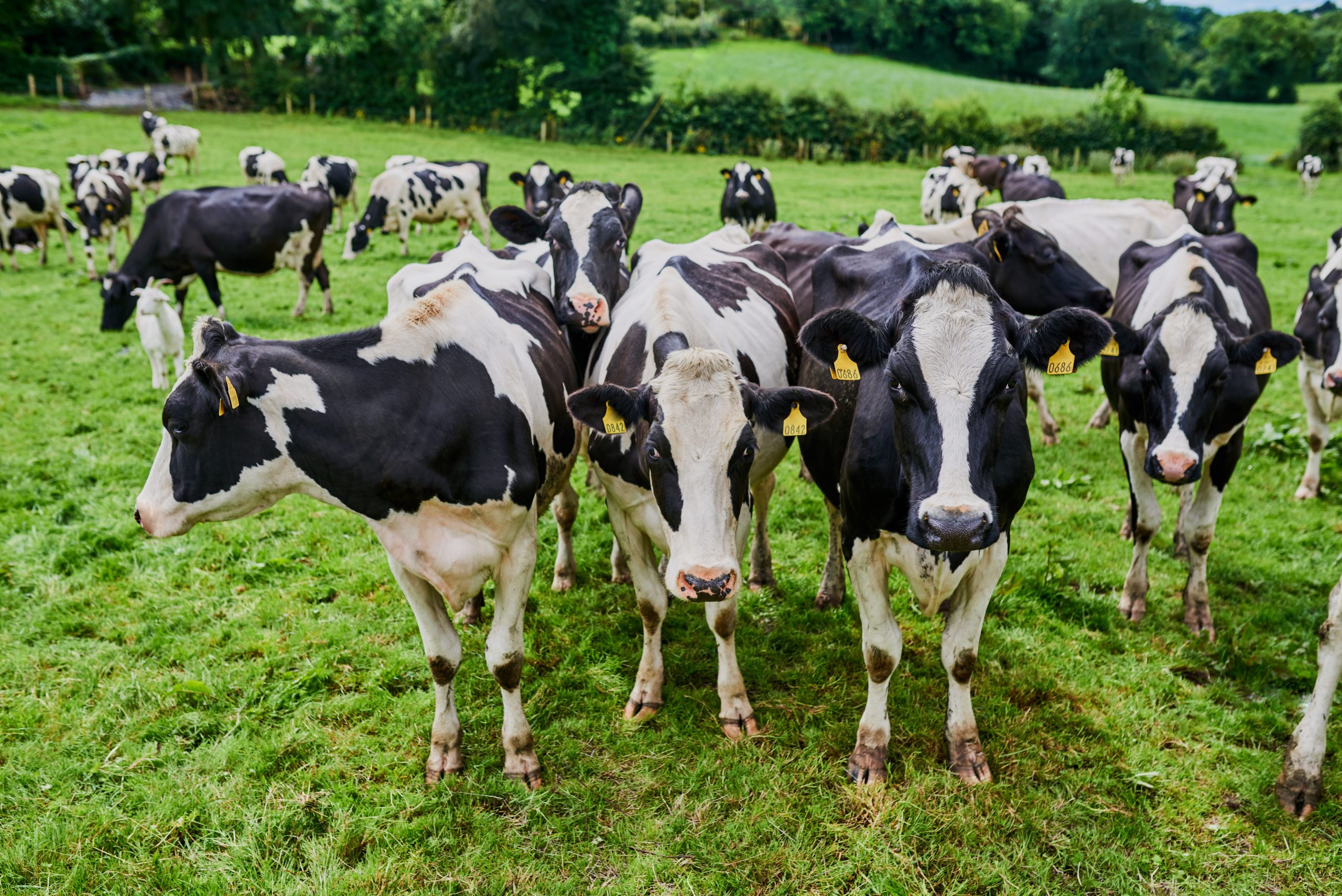
Despite prices holding steady in many co-ops for January supplies some farmers may see a reduction in their milk cheque this month.
Why is this?
From January 1 this year the farmer's flat-rate addition is down to 4.5% from 5.1% in 2025.
The change, which was announced in Budget 2026, will be felt by dairy farmers for the first time in their January supply cheques.
The flat-rate scheme is designed to compensate farmers who are not VAT registered, which is likely to be a good majority of Irish dairy farmers.
These non-VAT registered farmers will no longer be fully compensated for VAT.
Where sales are subject to the statutory 4.8% VAT rate, the lower 4.5% flat-rate addition will create a shortfall of 0.3% for non-VAT-registered farmers.
Milk Cheques
A number of co-ops have opted to absorb the cost of the shortfall this month considering where the price of milk is sitting.
But other farmers are set to take a hit this month and will clearly see this in their milk cheques.
This change in the scheme has also been affecting farmers in the mart, especially while stock is selling for good prices and delivering a boost for dairy farmers.
What difference will this make?
The average base price for milk across the co-ops at 3.3% protein and 3.6% fat is currently sitting at 34.3c/L including vat.
If the 0.6% difference is deducted from the given base price, this will result in a 0.21c/L reduction.
That difference will bring the given average base price down to 34.09c/L.
If farmers work strictly off base price, and do not factor in the A + B - C system, this change will result in a €3.1 reduction for every 1,000L produced.
On the surface that may seem small but if a 100 cow herd is producing 25L/cow/day, they would see a difference of €158 in their milk cheque for the month.
If the same farm is pumping out 6,000L/cow, this would result in a loss of €1,260 for the year.