Who's in the running for the Galway West by-election?

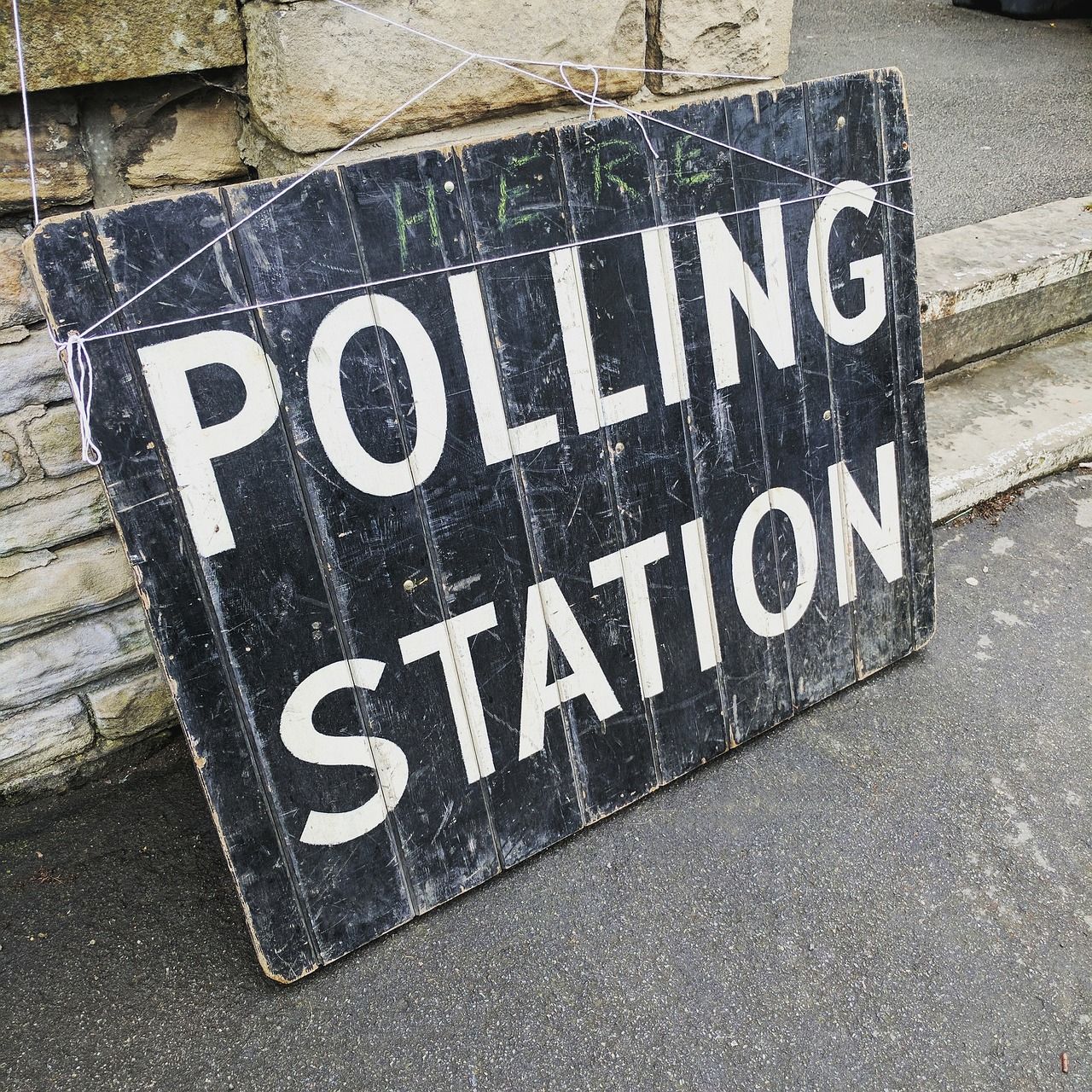
Next Friday (May 22) will see voters in the Galway West constituency go to the polls in one of two by-elections in the country that day.
The by-election in Galway West, which is a five-seater constituency, is taking place to fill the vacancy left by President Catherin Connolly, who left the Dáil last year to pursue her ultimately successful bid for the Áras.
The other by-election is for the four-seater Dublin Central constituency, where there is a vacancy due to the resignation as a TD of former Minister for Finance Paschal Donohoe, who left the Dáil to take up a major role in the World Bank.
The Galway West constituency includes Galway city, but apart from that it is a largely rural constituency, comprising the Connemara area and Gaeltacht.
The purpose of a Dáil by-election is to fill a seat that has become vacant between general elections, due to resignation, retirement or death of a TD.
The last general election took place in November 2024, and the next general election is set for 2029, meaning a by-election is needed in both constituencies with vacancies.
The current TDs in the Galway West constituency are John Connolly (Fianna Fáil); Mairéad Farrell (Sinn Féin); Minister of State at the Department of Agriculture, Food and the Marine Noel Grealish (independent); and Minister for Education and Youth Hildegarde Naughton (Fine Gael).
There are 17 candidates in the running for just one seat to join the four incumbents.
The candidates are:
- Néill Bairéad (independent);
- A.J Cahill (The Irish People);
- Mike Cubbard (independent);
- Patrick Feeney (independent);
- Sheila Garrity (independent);
- Cillian Keane (Fianna Fáil);
- Seán Kyne (Fine Gael);
- Mark Lohan (Sinn Féin);
- Niall Murphy (Green Party);
- Míde Nic Fhionnlaoich (Social Democrats);
- Orla Nugent (Aontú);
- Helen Ogbu (The Labour Party);
- John O'Leary (independent);
- Denman Rooke (People Before Profit - Solidarity);
- Michael Ryan (independent);
- Noel Thomas (Independent Ireland);
- Thomas Welby (independent).
Polls will be open between 7:00a.m and 10:00p.m next Friday.
How do by-elections work?
By-elections work essentially the same way as general elections, with the key difference that there will usually only be one candidate elected in the constituency, rather than three or more.
Only Irish or British citizens who are aged over 18, registered to vote, and are living in the constituency where the election is taking place, can vote in a by-election.
It is advised that you bring photo ID with you to the polling station, and you should also consider bringing the polling card that registered voters receive in the post.
As with general elections, by-elections in Ireland are based on the system of proportional representation by single transferable vote (PR-STV), meaning you can vote for more than one candidate on the ballot paper, according to your preference.
You mark the ballot by placing a number next to your favoured candidates; i.e. '1' next to your favourite candidate; '2' next to your second-favourite candidate (if you have a second favourite); and so on.
You can vote in this way for as many candidates as you wish, as long as you put '1' next to some candidate, and you don't repeat or skip a number.
The vote counting proceeds the same as in a general election, and, like a general election, a quota applies.
In a by-election in which there is only one seat to be filled, the quota is 50% of the total number of valid votes, plus one; i.e. if the total number of valid votes is 20,000, the quota is 10,001 (decimal remainders are disregarded).
The counting proceeds in several counts, in which the candidate or candidates with the lowest votes are eliminated at the end of each count, and their votes distributed to the remaining candidates.
Of course, where only candidate is to be elected, there will not be a distribution of surplus votes, as the first candidate to reach the quota will be deemed elected and that will be that.
A candidate can also be elected without reaching the quota if there are no other candidates that can catch up to them with the amount of votes left to be transferred.