What is involved in a synchronisation programme?

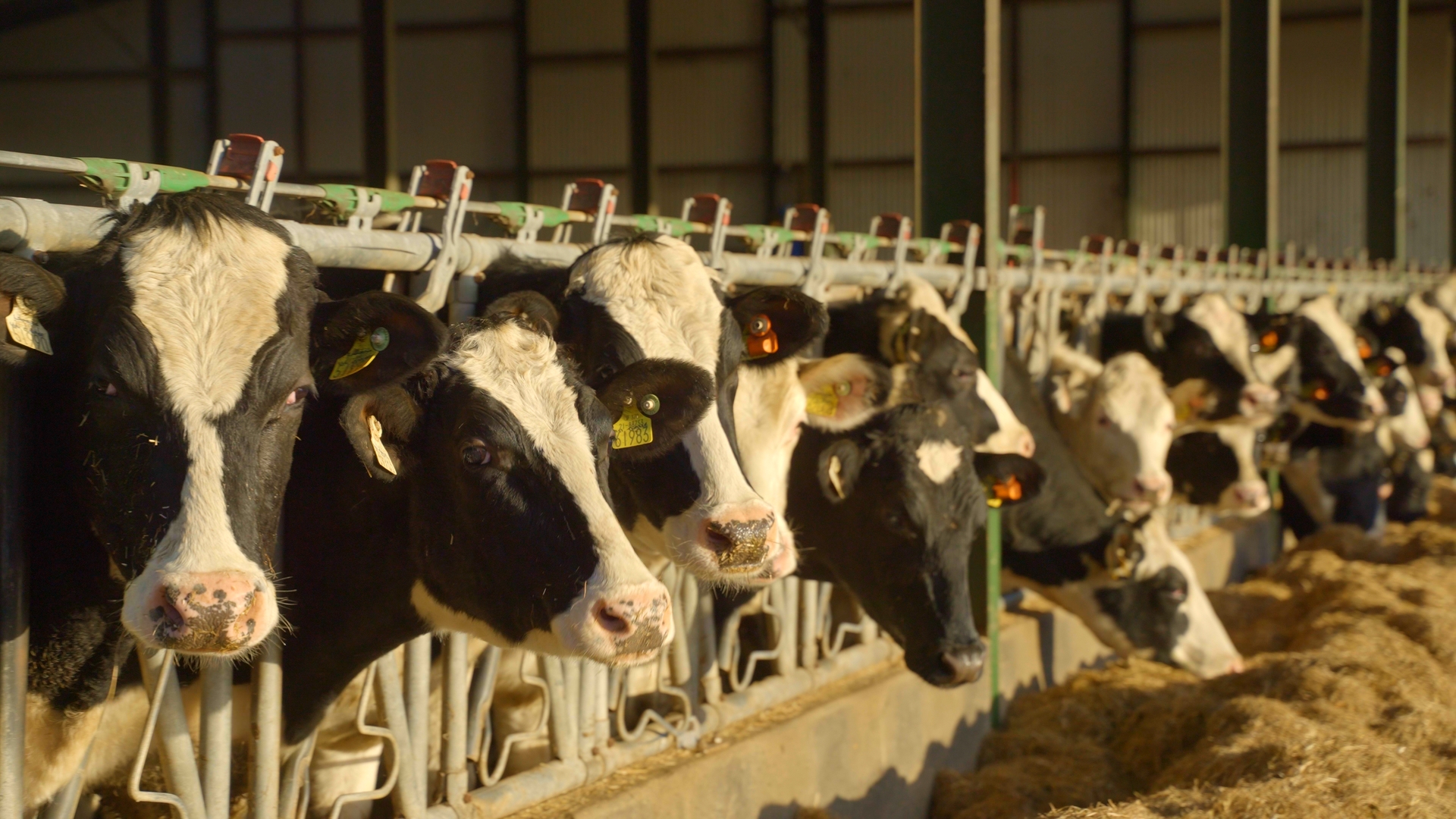
Sexed semen has grown in popularity over the last few years, which has ultimately led to the uptake in synchronisation programmes.
A lot of farms that are using sexed semen are aiming to target maiden heifers with it, as these heifers will realistically have the highest genetic merit and therefore have the potential to deliver the best replacement calves.
The problem with this approach is maiden heifers are not in the parlour yet, which means it can be hard to notice the onset of heat, especially without heat detection devices.
However, a synchronisation programme eliminates most of the guesswork and allows for insemination to take place during the right window.
Farmers who have been using sexed semen will know how important this is, as the timing involved with sexed semen is crucial as it is a tampered-with product.
The sperm cells are damaged during the sorting process, which means the viability of the sex-sorted sperm cells in the reproductive tract is shorter (less than 12 hours) than for conventional (over 24 hours).
Breeding
Sexed semen is already a costly practice to move to, with straws costing up to €50 a pop.
Therefore, paying in the region of €30/cow as well as vet fees for a synchronisation programme can be hard to justify.
However, the reality is a well-designed programme will improve conception rates, which will improve replacement heifers as well as getting heifers into the parlour earlier, meaning more days in milk and more money in the milk cheque.
For instance, if you get a cow back in calf 10 days earlier than her usual oestrus cycle, and that cow is giving 20L/day at an average milk price of 40c/L, she will earn the farmer €80 over those 10 days that she is in milk.
Meanwhile, treating sexed semen like conventional straws will only lead to poor conception rates, and you will have to wait 21-23 days to have another chance at putting her back in calf, which means an extra 21-23 days without her milk in early spring.
At a milk price of 40c/L, for a cow giving 20L/day in early lactation, this would mean a loss of €168 if she slipped to her following oestrus cycle.
That may not seem like much, but considering how complex sexed semen is, a poor system may mean 10 cows could be slipping to the next oestrus, which means the farm would be losing out on €1,680 on milk sales in the early lactation, more if prices are in a healthier place by next spring.
Meanwhile synching 30 maiden heifers will cost you a ball park figure of €900.
Synchronisation
If you are using sexed semen, you should ideally be aiming to use it within first 10 days of the breeding season if possible, and not using it beyond the three week mark.
That is why you should be speaking to your technician before making any decisions, to firstly see if the programme will suit your system, and if it does to see their availability.
The technician may help you develop a suitable programme, talking you through the options and recommendations.
The following fixed-time artificial insemination (AI) eight-day protocol is recommended for dairy replacement heifers:
*PG: Prostaglandin Injection; GnRH: Injection of Receptal, Ovarelin or Acegon; T. A.I: Timed AI.

The timing of each task is crucial in ensuring the fixed-time AI protocol is successful.
Injections must take place at their nominated times, not two hours later or two hours before because it suits your schedule, otherwise the whole process could be rendered ineffective.
You must remember that the purpose of fixed time AI is that you are trying to control the delicate oestrus cycle, and any change in the times will weaken the control.
It may seem like it does not have to be said, however, giving the wrong injection on the wrong day is another common mistake during the process, especially when it is your first time using the method.
Therefore, it is crucial to triple check you have the right one before doing anything, as any mistake can be costly.
The following 10-day fixed time AI protocol for dairy cows is recommended:

Any errors or non-compliance with the protocol can severely impact the fertility of the animal at the time of insemination.
The process needs to be treated with careful planning and organisation to ensure the protocols do not go astray and affect the success of the process.
The use of synchrony treatments can also be targeted at anoestrous cows and late-calving cows to advance the time of re-breeding after calving.