What do Irish pig farmers think about stopping tail docking?

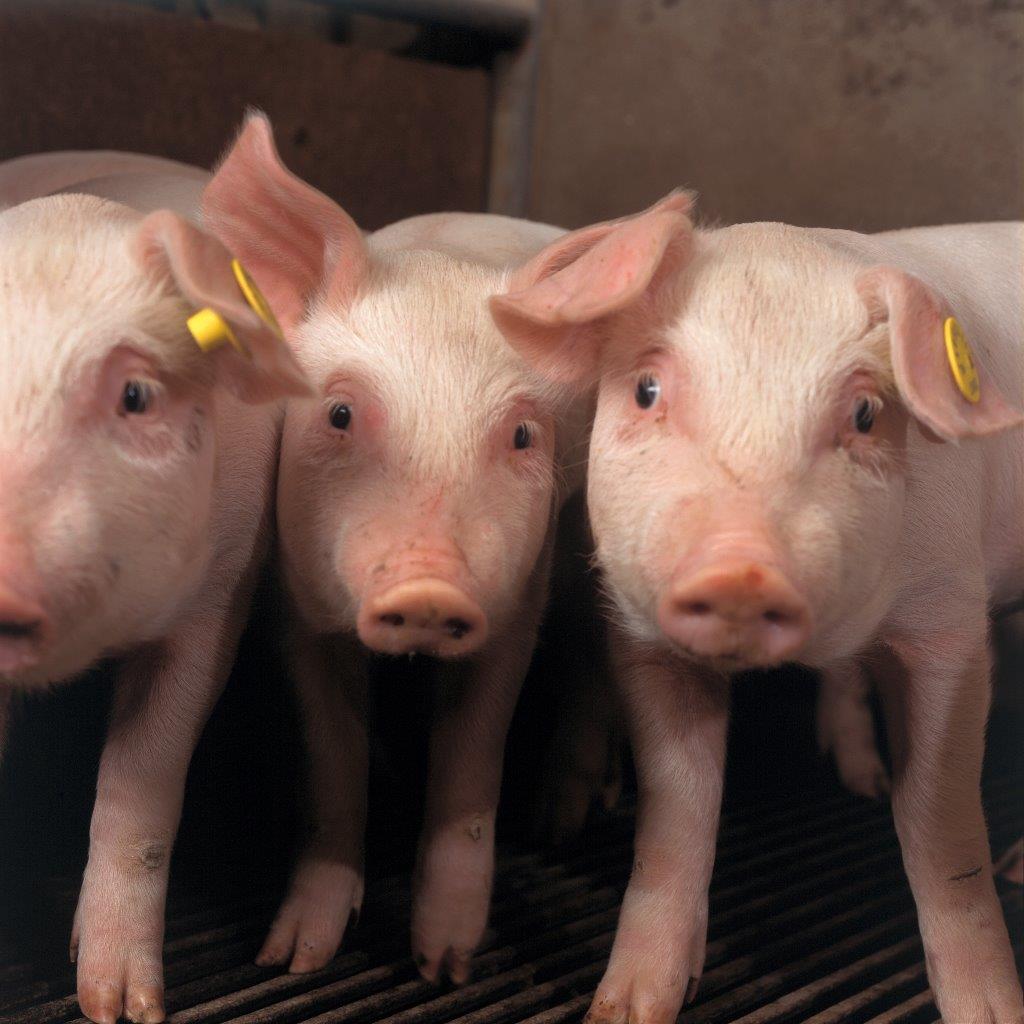
The prospects of stopping pig tail docking "stirs negative emotions" in many Irish farmers, including fear, worry, anxiety and apprehension about the risks involved, a Teagasc study has found.
Some famers surveyed did say that they would stop the practice of docking if it were feasible.
They see stopping tail docking as financially unviable due to significant capital investments, increased production costs, higher risks, and the absence of financial premiums, compensation, grants, or subsidies.
Survey
With the EU encouraging changes to pig production to reduce the need to tail dock, Teagasc spoke to a number of integrated pig farm managers and owners across Ireland to assess industry opinions on the topic.
This research was part of the PigTail Project, set up by the Irish government in 2023 to help understand how Irish pig farmers felt about tail docking and identify pathways forward.
Molly Harrison, social science research officer at Teagasc, interviewed 18 integrated pig farm managers and owners across Ireland between March 2023 and June 2024.
The findings could be summarised into three main areas: capability, opportunity and motivation.
Capability
According to the report, farmers' capability was the least discussed topic.
Some farmers questioned the rationale for existing regulations, arguing that tail docking causes minimal pain and trauma to piglets.
When farmers were asked about their level of knowledge and skills to rear undocked pigs, nearly half of the respondents reported feeling unprepared.

Two-thirds wanted more practical, evidence-based guidance on management practices for rearing undocked pigs, and on effective responses to large-scale tail-biting outbreaks.
Some farmers said they already complete risk assessments, herd health plans, and government inspections with vets.
Physical opportunity
The findings also highlighted environmental factors that are often beyond farmers’ control which can affect their ability to rear undocked pigs.
The need for housing and management changes were frequently referenced, particularly reducing stocking density and improving unsuitable housing.
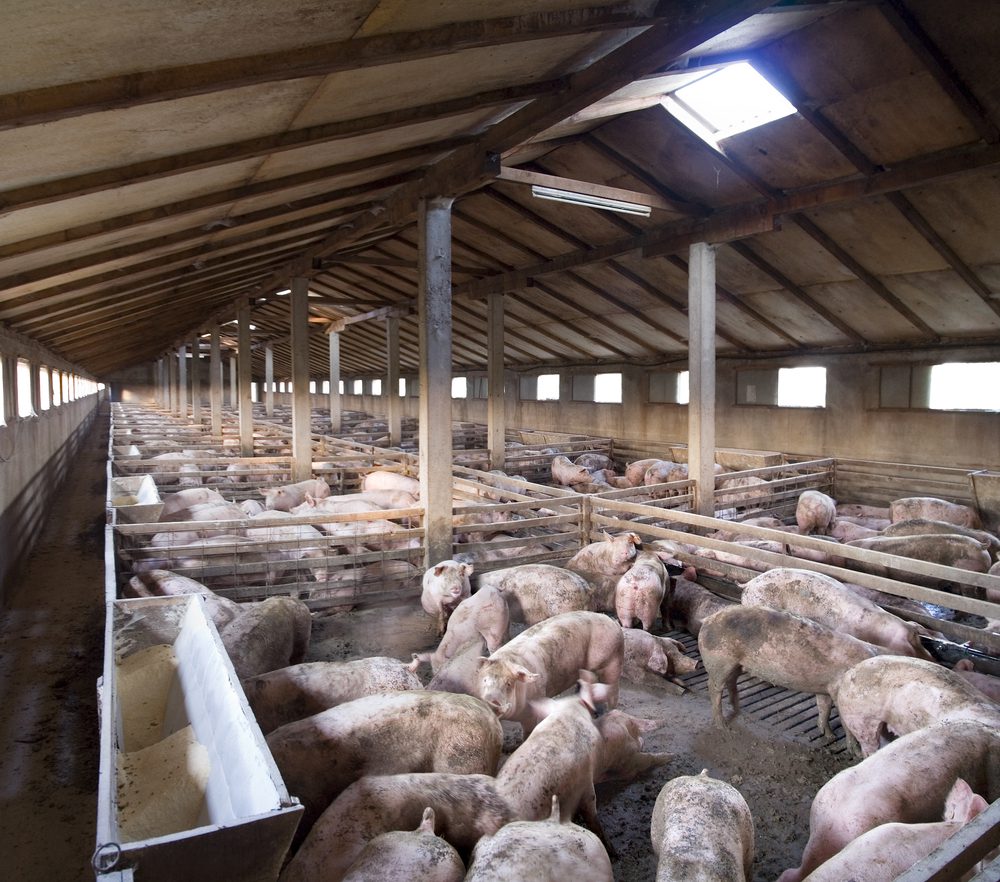
Reducing stocking density requires either building more facilities or reducing herd size, both of which could be costly.
The research also showed that some farmers were uncertain about optimal housing designs for undocked pigs and stressed the need for evidence of effectiveness before committing.
Long-term infrastructure is essential to support changes, according to the survey.
This includes reliable access to ventilation experts, feed-system services, enrichment materials, planning permission, and efforts to attract more people into pig farming.
Social opportunity
The responding farmers stated that tail docking is standard practice in most of Europe, including in much larger pork-producing countries than Ireland.
Some of the farmers said that the few countries that do not dock have "fundamentally different" farming systems, including outdoor access, solid floors, organic enrichment materials and subsidies, but noted that tail biting still occurred there.

However, some farmers were interested to learn more about how these other countries reared undocked pigs, the report said.
Some farmers argued that the industry lacks unity and transparency, and that stopping tail docking would require a co-ordinated effort from all stakeholders, not just farmers.
Motivation
All farmers surveyed said they dock tails in order to prevent tail biting, seeing it as a necessity.
The research found that most farmers were highly experienced, had heavily invested in their farms, and were open to trying new practices.
Nearly all had recently trialled leaving tails intact, motivated by veterinary inspections, research participation, curiosity, or because the piglets were small and weak, pedigree, or accidentally missed.
However, this usual resulted in negative outcomes, the survey found.
"Farmers feared that stopping docking could lead to severe welfare and financial consequences from unpredictable increases in tail-biting outbreaks, including increased workload, antibiotic use, mortality, reduced growth, and carcass condemnation," the report said.
"Most saw little benefit to not docking, though some recognised advantages such as reduced piglet stress, labour savings, improved public perception, and potential export markets for tails."
Most farmers lacked confidence in their ability to successfully rear undocked pigs within their current systems, according to the findings.
The farmers explained that "substantial, incremental, financially viable changes to pig housing and management, stakeholder mindsets, and the pig meat market would be required to support the transition to rearing undocked pigs", the survey said.
Half of the farmers interviewed remained optimistic about eventual success with adequate support.
Several farmers suggested that the Irish government or the EU should provide financial incentives, while others argued that long-term sustainability depended on the market valuing pig meat more highly.