What are the key messages coming out of breeding events?


With breeding kicking off on many farms in just over two weeks' time, industry leaders are emphasising the key messages that will help ensure a successful season.
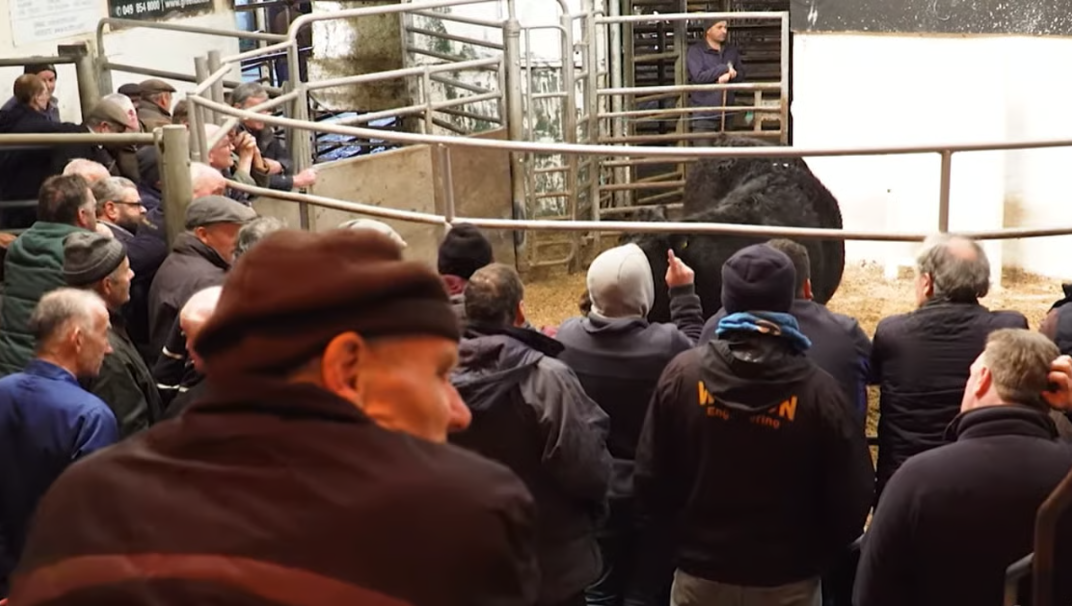
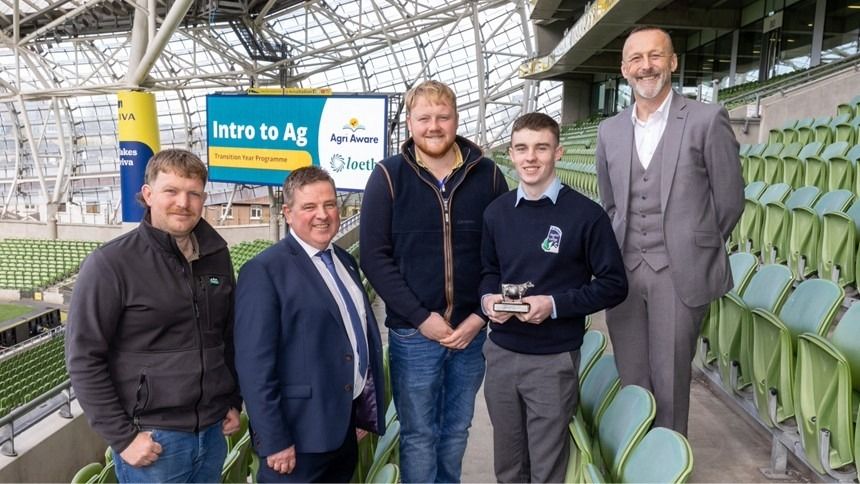
Munster Bovine hosted a breeding event in Corrin Mart, Co. Cork recently in a bid to really drive these key messages home.
There was two panels on the day, with Munster Bovine technical manager, Dennis Howard; Munster Bovine AI technician, Ben Slee; MSD Animal Health sales manager, Billy Heffernan; and Cork-based dairy farmer Sean Moher speaking on the first panel.
Meanwhile, National Cattle Breeding Centre (NCBC) CEO, Dr. Doreen Corridan; Irish Cattle Breeding Federation (ICBF) CEO, Sean Coughlan; head of dairy knowledge transfer with Teagasc, Dr. Joe Patton; and senior principal research officer and quantitative geneticist with Teagasc, Dr. Donagh Berry, all spoke on the second panel.
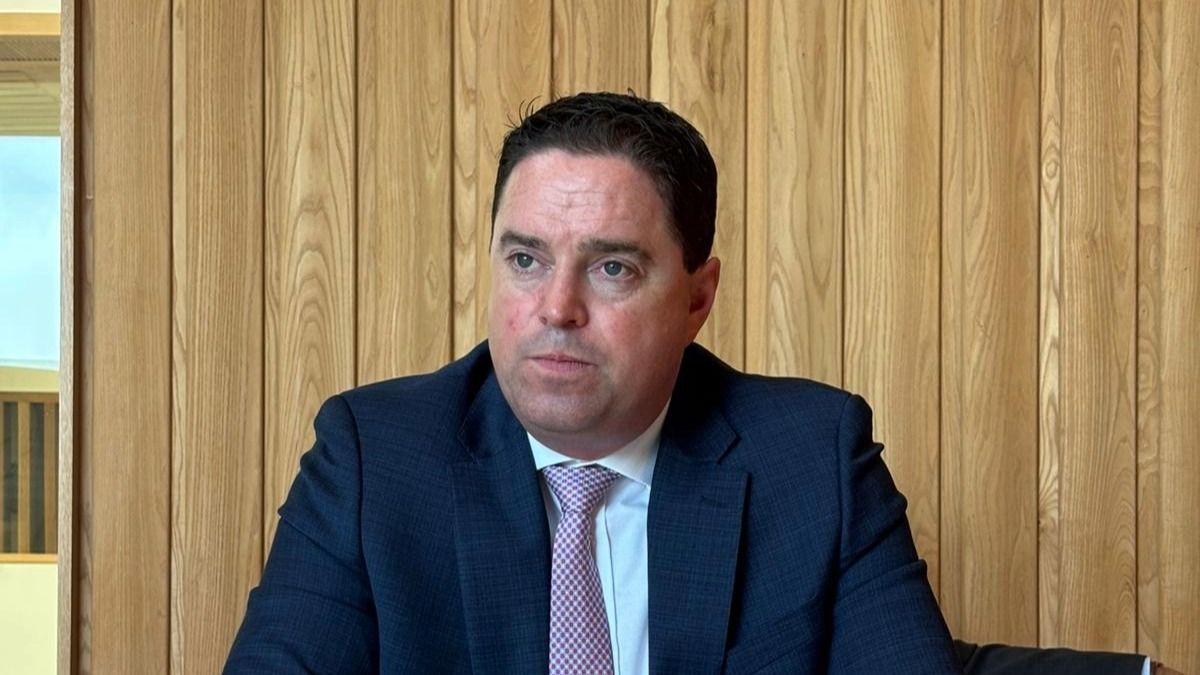
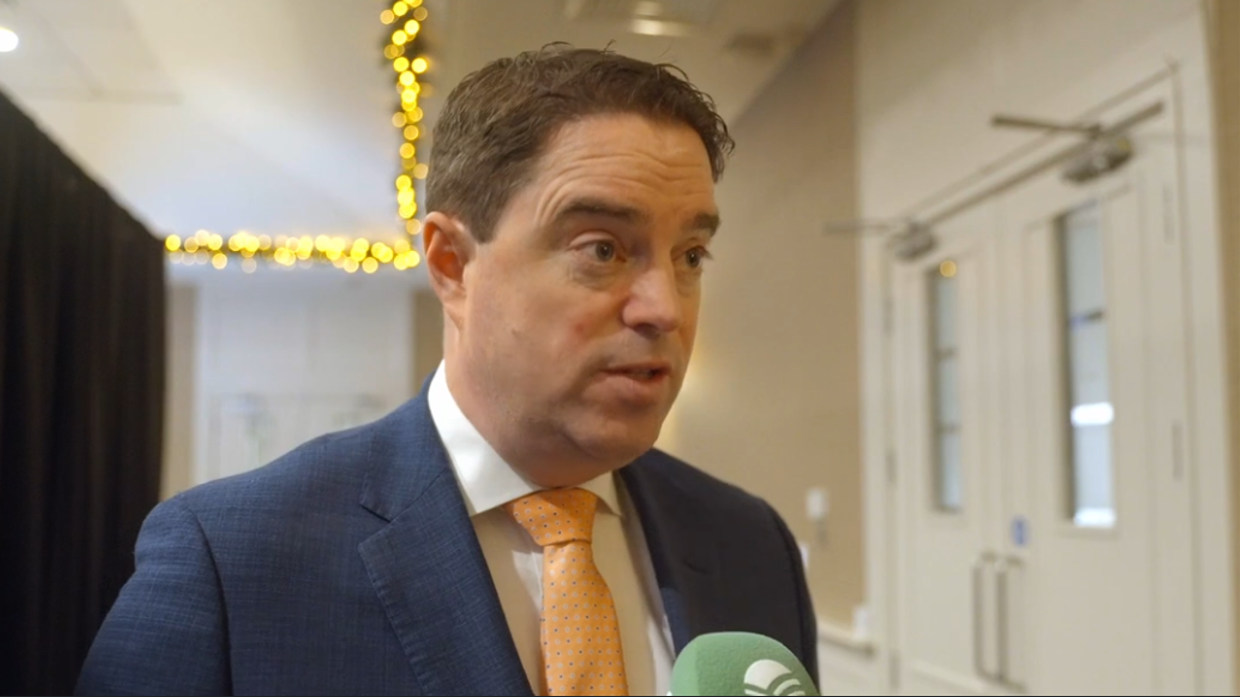
Munster Bovine CEO, Martin Kavanagh who chaired the event, also spoke on the importance of the breeding and driving genetic progress through industry collaboration.
Key messages
So in a room of industry experts, what were the key messages ahead of the breeding season?
First and foremost, the advice from the technical side of things was to be fully prepared for everything.
That means carrying out all the necessary pre-breeding checks to ensure both cows and maiden heifers are fit for breeding, whether that is looking to see if they are cycling properly or if their body condition is right.
Look at your heat detection methods: is it worth considering the investment into technology while grants are available?

Carefully plan out the bull team, and calculate how many conventional, sexed semen, or dairy-beef straws will be needed for the year ahead.
Then farmers need to be getting on to their artificial insemination (AI) technicians in advance of the season starting, to arrange a suitable schedule.
If the farm is operating a synchronisation programme, it should also be pre-arranged well in advance, with a full detailed plan in place.
On days of insemination or synchronisation, farmers need to do their best to keep both the cows and the handling areas clean and disinfected to ensure fertility is in no way compromised.
What is quality breeding delivering?
The second panel backed the advise of the first by delivering breeding based data.
It was noted that a 100-head milking herd ranked within the top 20% of the Economic Breeding Index (EBI) is selling €30,000 more in milk solids than a 100-cow herd with the national average EBI.
As well as that, data is showing that AI bred herds are selling 50kg more milk solids per cow than non-AI bred herds.
Coughlan said breeding is tough work, but it's only one small part of the year which will lead to you either "reaping the rewards or suffering the consequences" for the next five to seven years.
He went on to say that on the other hand, 50% of the solids comes from management, which is tough work all year-round when trying to get factors such as grass allocations and quality right.

Dr. Patton added that when farmers are pushing for profitability, the best combination is a high milk sub-index and a high fertility sub-index in tandem.
By getting these sub-indexes right, you will be getting the productivity on one side and the cost benefit on the other, which will ultimately deliver the best on farm outcome.
Patton highlighted that it is the milk sub-index and fertility sub-index as a euro figure farmers should be looking at, rather than traits such as milk kg.
Kavanagh followed that by saying a herd in the top 20% and a herd in the bottom 20% may have the exact same genetics, but there could be 200kg of a difference due to factors such as grass production or other inputs. However, that does not mean one is more profitable than the other.
Dr. Berry also commented, saying the "notion that you need positive milk, fat bulls, is ridiculous".
He said: "You have to look at your herd, you look at the average genetic merit of your herd, are you -3kg, are you +5kg, look at your solids.
"If you choose a team of bulls who are on average are greater than your, then your herds yield will increase, you do not look at individual values".
Issues
Such advancements in breeding do not come without their share of problems, with a lingering question of: "where will the next generation of bulls come from?"
With farmers being advised to use sexed semen to push for better results, the volume of dairy animals available has been rapidly decreasing.
There is now more than 50% of dairy animals been served to beef sires.
That has left breeding programmes in quite a conundrum, as there are less elite dairy male calves to be integrated into these programmes, putting pressure on availability of breeding bulls and even heightening the risk of inbreeding.
This left Dr. Corridan pleading with farmers to respond to 'contracts' sent out from AI companies.
These 'contracts' are sent out to farms with animals noted as desirable. The farmers are asked to selectively breed the desired animal(s) to a desired sire.
However, Dr. Corridan highlighted that these 'contracts' do not create ownership of the animals; instead it just allows the AI company to view the calf's genetics when it is born.
When viewed, the AI company may then make an offer to purchase the animal if it has the desired genetics.