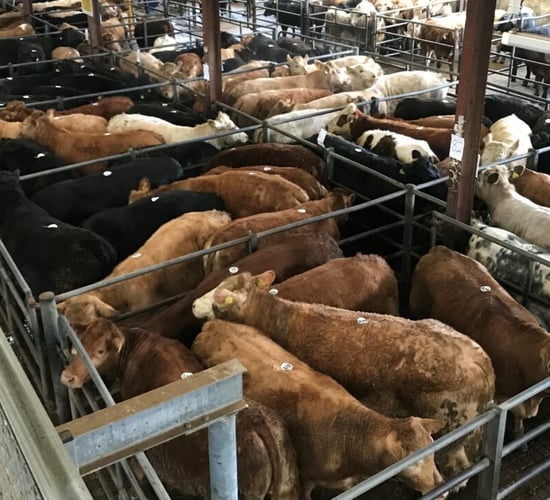
What are buyers looking for in dairy calves at the mart?


With plenty of calf sales taking place across the country and prices soaring, how can farmers get their money's worth?
A lot of dairy farms try to sell calves from two weeks-of-age due to space and labour concerns.
However, many farmers are holding on to them longer this year as milk prices bottom out but calf prices soar.
Other farmers have concerns that prices could dip again, given the situation with bluetongue.
Either way, there is only a short amount of time to get the calf looking fit and healthy to get the best price possible in the mart.
Dairy trade
The trade of young calves has had a vigorous start in 2026, with Friesian bull prices doubling year-on-year.
That means getting them in good condition for selling should be a priority this spring.
No matter what, buyers are going to want to see a good strong calf in the ring, and this may dictate the price achieved for your non-replacements.
Buyers can now use the Commercial Beef Value (CBV) to see what the genetic potential of the calf is and whether or not it is worth investing in, but even with a good CBV they will not be interested in a calf that does not hold itself well in the ring.
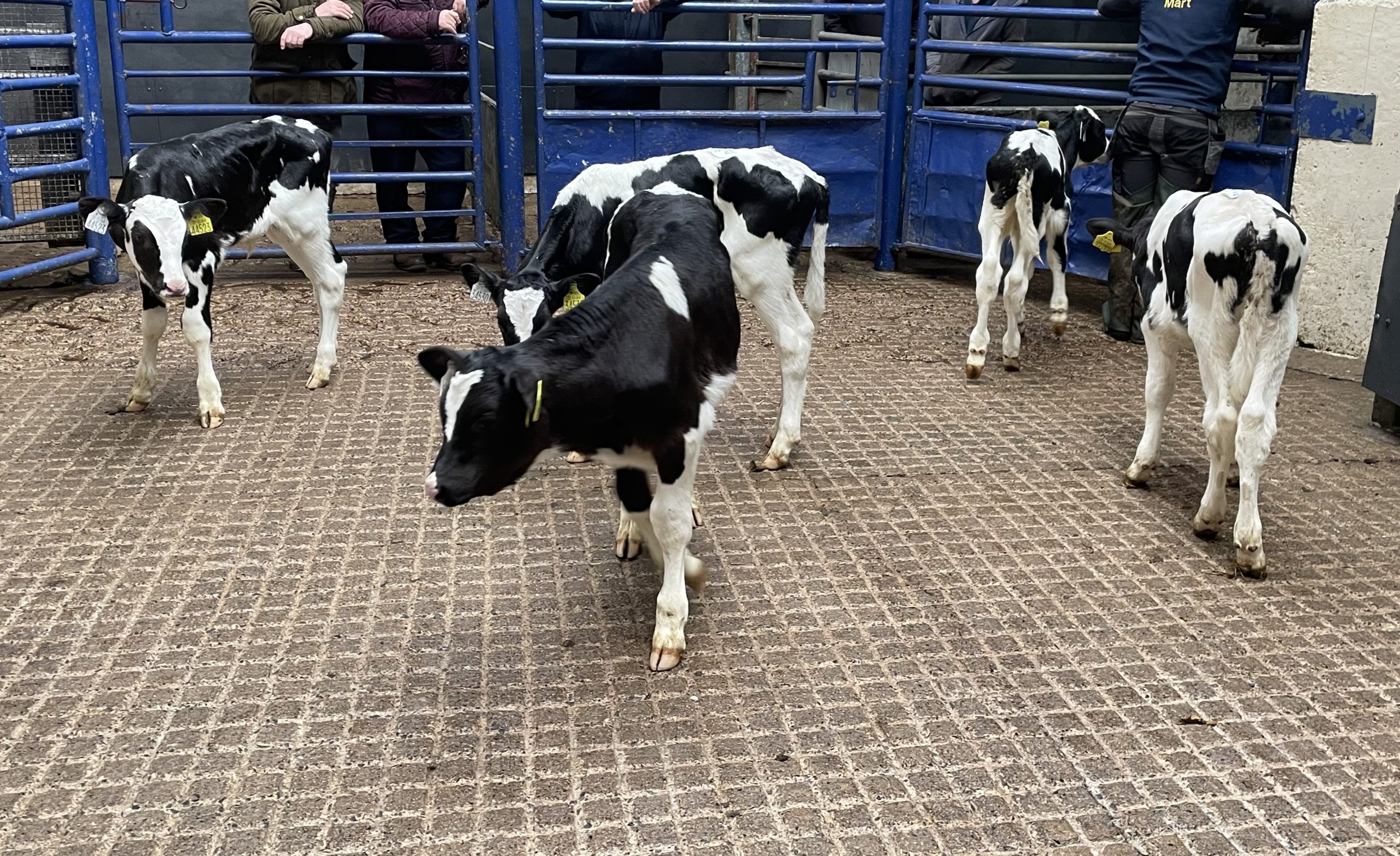
Calves being brought to the mart for sale or being sold off farm should be bright; responsive; alert; mobile; interactive with their environment; and have clear bright eyes and ears that are alert.
These kind of animals are flying out the door.
For example, some calf prices from the week are as follows;
- Bandon Mart saw six Friesian bulls at 82kg sell for €510/head;
- Cahir Mart saw four Friesian bulls at 57kg go for €350/head, while another Friesian bull at 73kg went for €370;
- Kilmallock Mart saw a Friesian bull at 84kg sell for €355;
- Carnaross Mart saw a Friesian bull at 50kg go for €310;
Getting calves prepared
The first step to ensuring your calves get a good price in the mart is getting your colostrum feeding right.
This is singlehandedly the most important aspect of calf rearing, and will dictate the price they make and the future they have.
The majority of farmers have always treated non-replacements the same as replacements.
However, a couple of years ago when farmers were struggling to offload any Friesian bull calves, colostrum management became less of a priority on some farms for those calves.
It is always important for farmers to ensure that calves are receiving high-quality colostrum, and are receiving enough of it as soon as possible after calving.
Unlike humans, antibody transfer does not occur in-utero in cows, which means it is vital for the calf to absorb enough antibodies from colostrum as soon as possible.
If inadequate levels of colostrum or poor quality colostrum is given, it will be at a higher risk of illness and death.
If the calf survives, it will have reduced growth rates and performance rates, which is very obvious to the keen-eyed buyers.
Therefore it can not be stressed enough how important the ‘1-2-3’ colostrum rule is.
Calf health
Calves need to be well managed in terms of feed, bedding, rumen development, and disease prevention from there on after.
Calves should be grouped as soon as possible, putting non-replacement animals of a similar age together.
This is best practice for when you are selling them as the pen will go together with their social group, minimising stress before entering the ring.
They should be always bedded on clean fresh straw in a shed where there is no draught that could affect the body temperature of the calf, so as to prevent diseases such as scour or pneumonia.
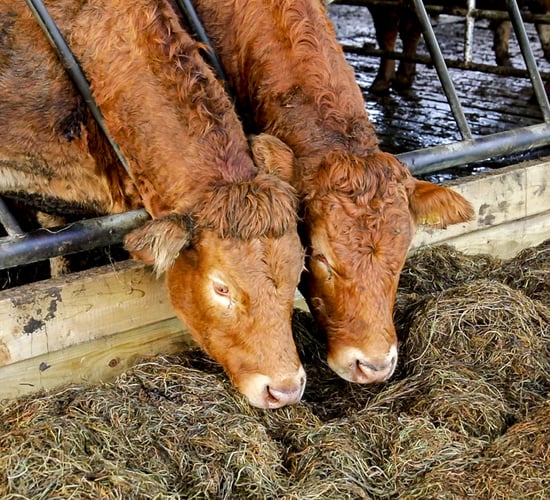
Access to water and fibre rich roughages such as hay or straw are crucial for rumen development, as well as the gradual introduction to coarse ration.
Before a calf leaves the farm for a mart, they should also be offered feed.
Healthy, well-grown, full-looking animals are more likely to catch the eye of buyers and should result in better prices for the calves.
People purchasing calves will often return to the same buyer if they are getting healthy animals and build a relationship with the farmer.
This reduces the time constraints of loading animals and heading to the mart every week, getting a consistently fair price in the comfort of your yard instead.
However, farmers selling poor animals prone to sickness from poor management will get far lower prices and no return buyers.