Watch: What are the current weanling specifications for export?

One of the big talking points amongst farmers this autumn has been the high level of exporter demand for top-quality, continental-bred weanlings and the high prices being paid for these.
In previous years, larger numbers of plainer-type weanlings and store cattle were being exported but the rise in Irish beef and store cattle prices has seen a drop off in the level of these being exported this autumn.
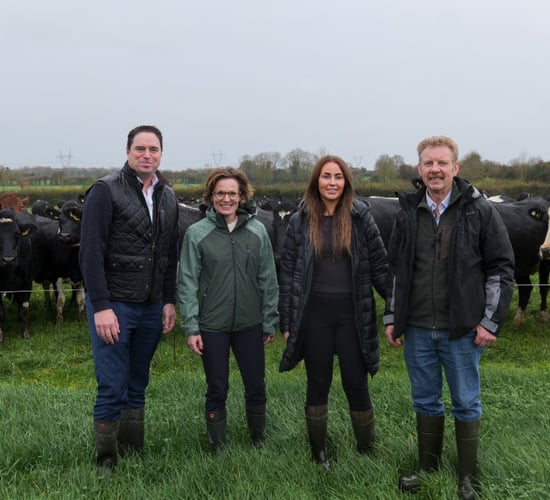
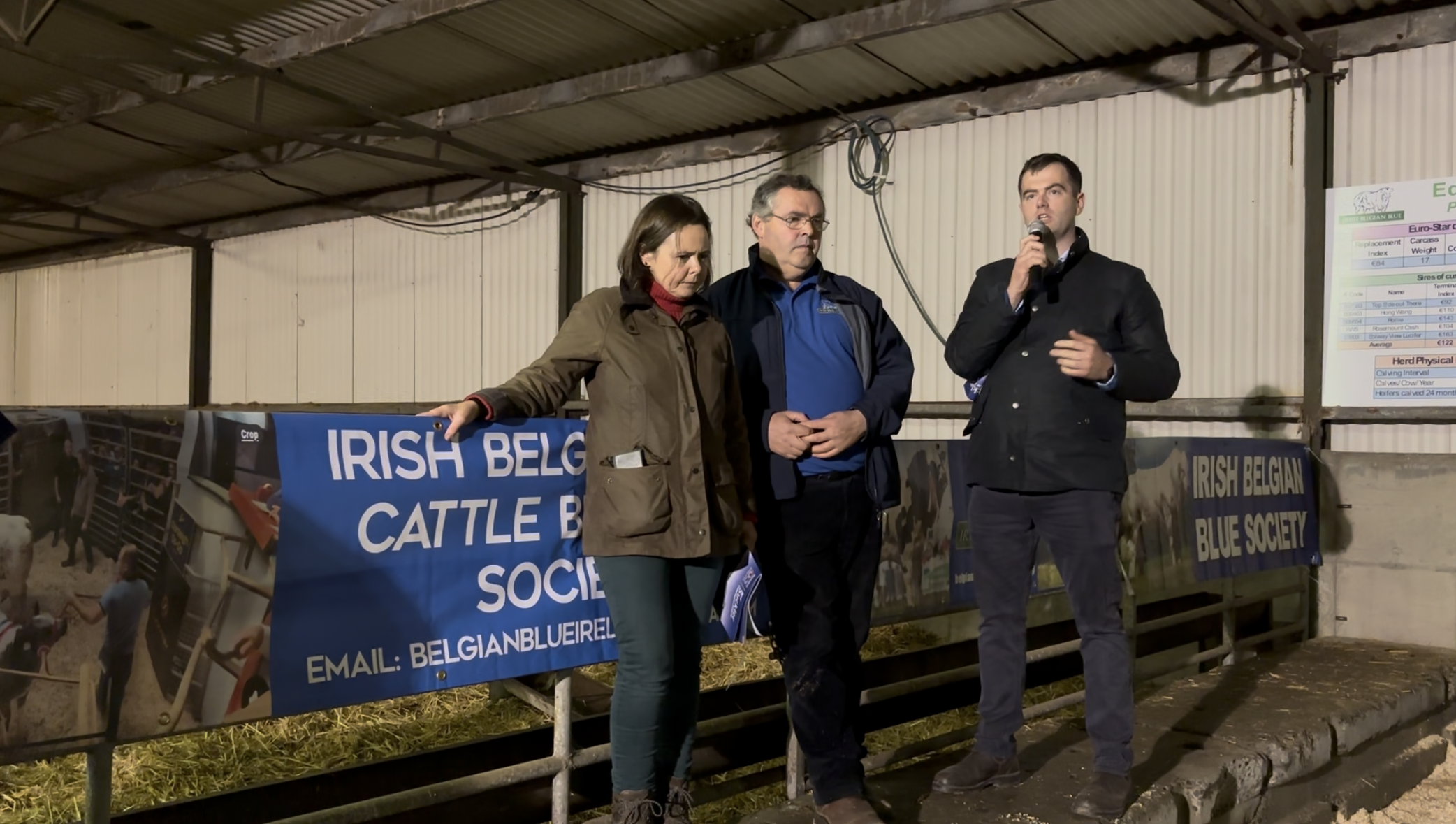
At a recent Irish Belgian Blue Cattle Society open evening, the National Cattle Breeding Centre's (NCBC's) new appointment Martin (Murt) Ryan explained what cattle specifications the premium weanling export markets are looking for.
With a decade of experience in his previous role as Thurles Mart manager in Co. Tipperary, Ryan explained "The last number of years, we've seen a big shift in the export of those Belgian Blue weanlings with their popularity increasing.
"If we look at Ireland, we have exported over 330,000 animals so far this year.
"The Italian market is probably the biggest market for those export type weanlings with about 28,000 gone so far this year."
Ryan also highlighted that weanling health is a priority and said farmers need to be looking at creep feeding and vaccination as well as having parasite control plans in place.
What are they looking for?
Ryan said: "If we look at some of the bigger exporters and what their contracts are for, they want bull weanlings that are under 12 months-of-age at the time of export.
"They want between 350-500kgs and they want them ideally an 'E' grading."
He said that farmers who are aiming to breed these type of weanlings are looking closely at the carcass conformation and the carcass weight data of the sires they are using.
""We want an animal that's going to be a good weight, get a good price per kilo and ultimately, leaving the most money for the farmer."
"That's where the Belgian Blue is fitting into this system. It's suiting the farmer quite well but it's hugely dependent on the export market so it's really down to having a heavy weanling at the time of sale, having excellent quality to get that excellent price per kilo," Ryan said.
Weanling exports
Total Irish weanling exports are down by almost 14% this year to just under 41,200 head, but there remains good demand for top-spec weanling bulls.
Ireland's status to date as a bluetongue-free country and free from other diseases seen in some mainland European cattle herds this summer - such as lumpy skin disease (LSD) - has placed these types of Irish weanlings in higher demand in key markets for top-specification cattle such as Italy.