Watch: Liffey Meats event showcases 95-cow Longford suckler-beef farm

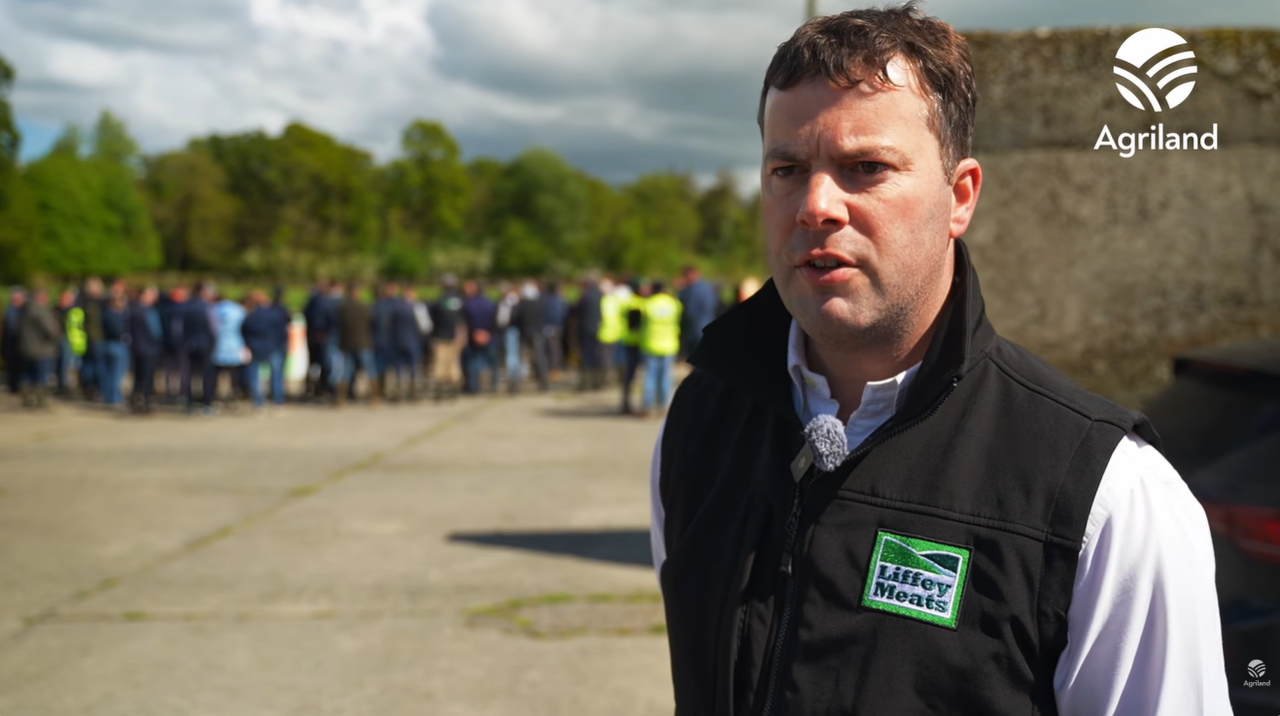
Hundreds of farmers and agri-industry professionals from across Ireland gathered at the historic Castle Forbes Estate for a major farm walk hosted by Liffey Meats.
The event at the Co. Longford estate (Thursday, May 14) brought together the latest thinking in beef production, sustainability and on-farm efficiency.
The farm walk was organised in conjunction with Teagasc and the Irish Cattle Breeding Federation (ICBF) and showcased the carcase performance of the progeny from the 95-cow suckler herd.
Brian Jordan is the farm manager and he explained that the cow-type on the farm is predominantly Limousin with some Charolais, and Belgian Blue genetics in the fold also.
Two Charolais stock bulls are used for breeding on the farm and some artificial insemination (AI) is used also.
Cattle on the farm are taken to beef with most of these cattle supplied to Liffey Meats.
Speaking to Agriland, the farm manager gave an overview of the target carcase weights for the cattle produced on the farm.
He said the bulls "would normally be finishing into 'U' grades with a fat score of anything from '2+' to a '3=' at an average slaughter age of approximately 22 months old".
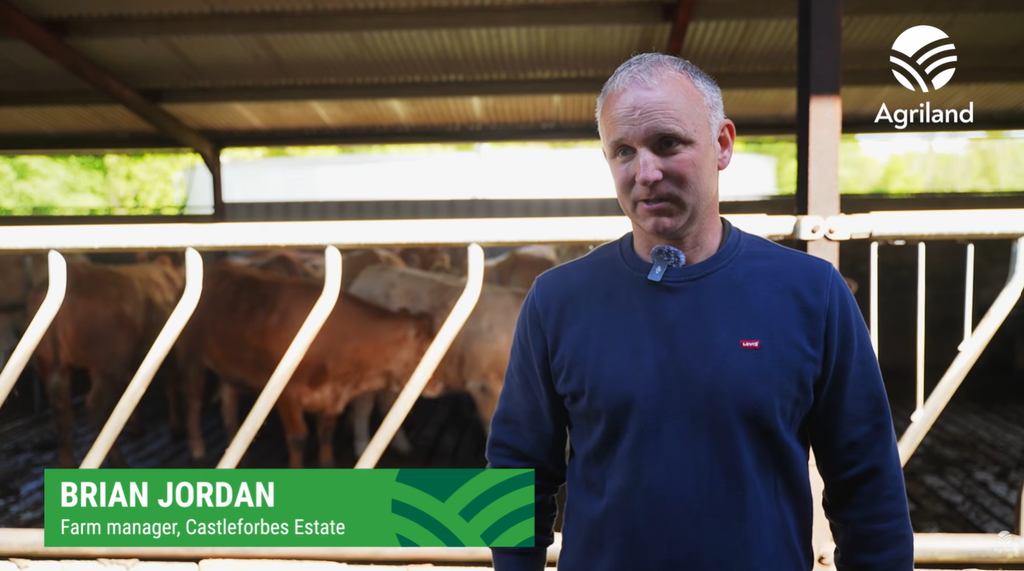
The average slaughter age of the heifers on the farm is generally 25-26 months-of-age with an average carcass weight of 370-380kg and grades varying from 'R+' to 'U='.
Liffey Meats procurement manager Sean O'Beirne explained that the farm supplies both the Liffey Meats Ballyjamesduff site in Co. Cavan and Ballinasloe site in Co. Galway.
The factory cattle procurement manager said that the farm "produces top-quality heifers and bulls" and noted that these cattle are produced at a lower slaughter age.
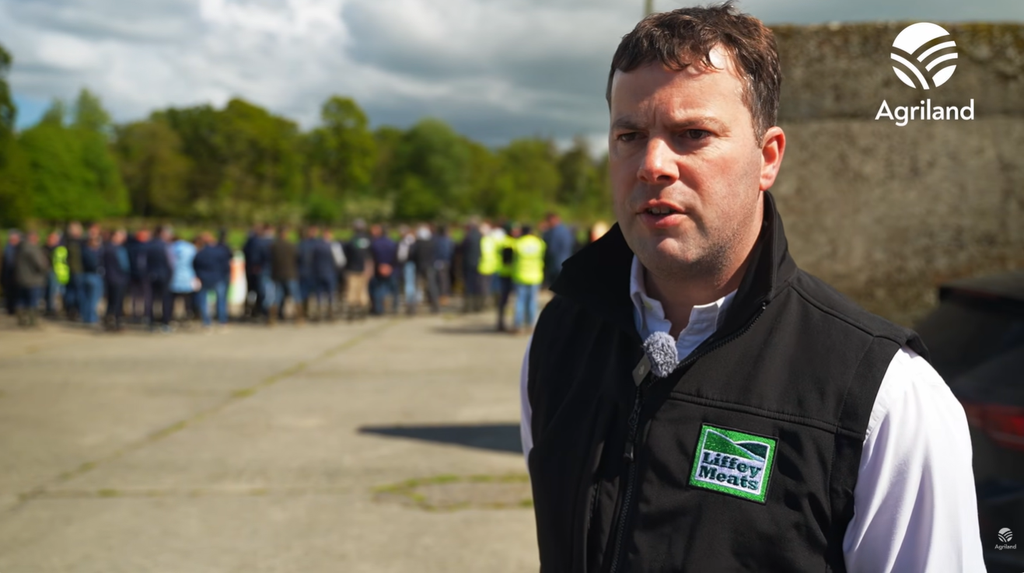
He said some of the most recent heifers supplied to the factory by the farm had an average slaughter age of 24-25 months with an average weight of 375kg with grades ranging from a U+ to an R+.
The Liffey Meats procurement manager said: "Brian and his team on this farm with his 100 suckler cow hers is producing the top-end, quality stock which is what we are in the market for.
"Liffey Meats is delighted to have Brian on board - supplying us with quality stock over the course of the year and we are happy with his produce."
Focus on soil health and fertility
Teagasc adviser James Mimnagh also emphasised the importance of soil fertility, particularly soil phosphorus (P) and soil potassium (K) and the importance of lime as well on the day.
The Teagasc adviser said: "Lime being the most cost-effective fertiliser, we really should be looking at our soil sample results, targeting lime to those low pH soils.
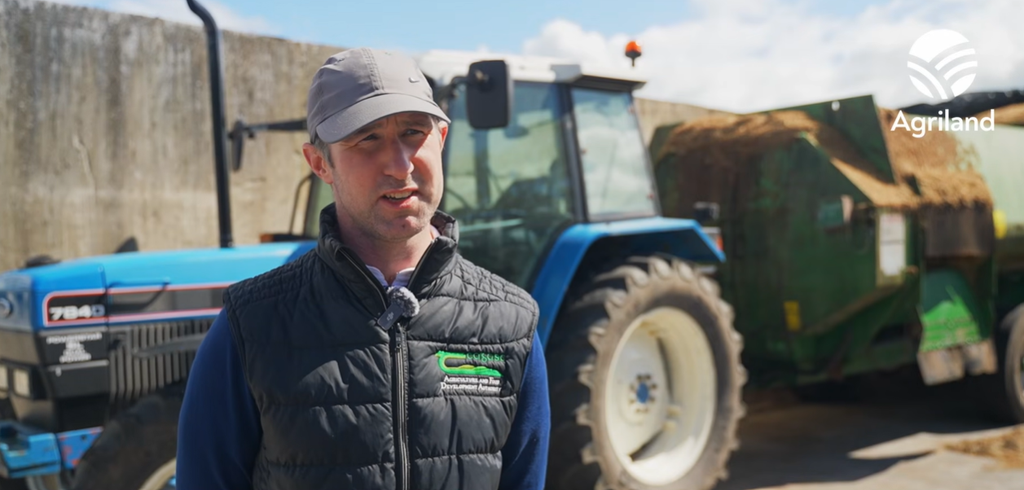
Mimnagh said that there is huge scope to improve soil pH on beef farms.
He added: "Around 40% of beef farms are adequate for soil pH and we need to improve that.
His advice to beef farmers who need lime on their land is apply lime where required.
He also emphasised the importance of farmers using protected urea for a chemical nitrogen (N) source.
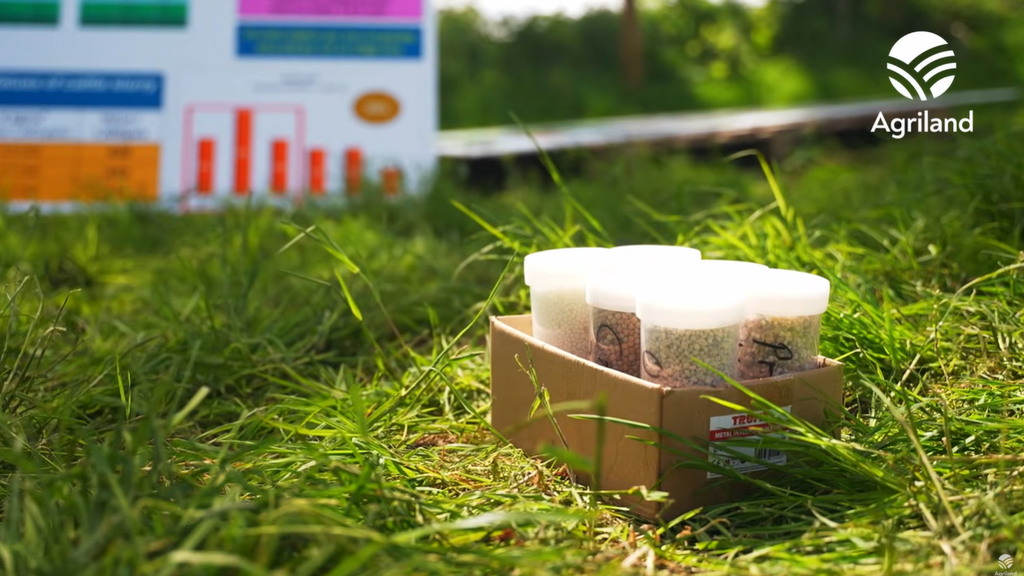
Mimnagh said: "We need to keep using protected urea, keep asking for it.
"It is the most cost-effective straight fertiliser."
ICBF representatives also spoke in depth on the role of the Commercial Beef Value as well as the role of breeding indexes in the suckler herd.