Watch: Explaining carcass labelling and the beef de-boning process


An interesting demonstration on Irish beef carcass labelling and the process of cutting steaks from a side of beef took place at a recent industry event.
Last month, Liffey Meats invited female students from local secondary schools to a farm in Co. Meath for an open day.
The event marked 2026 being the International Year of the Woman Farmer and saw Liffey Meats bring together a female panel of speakers to showcase how women can succeed in their chosen field, whether it be in academia, sustainability, genetics, or farming.
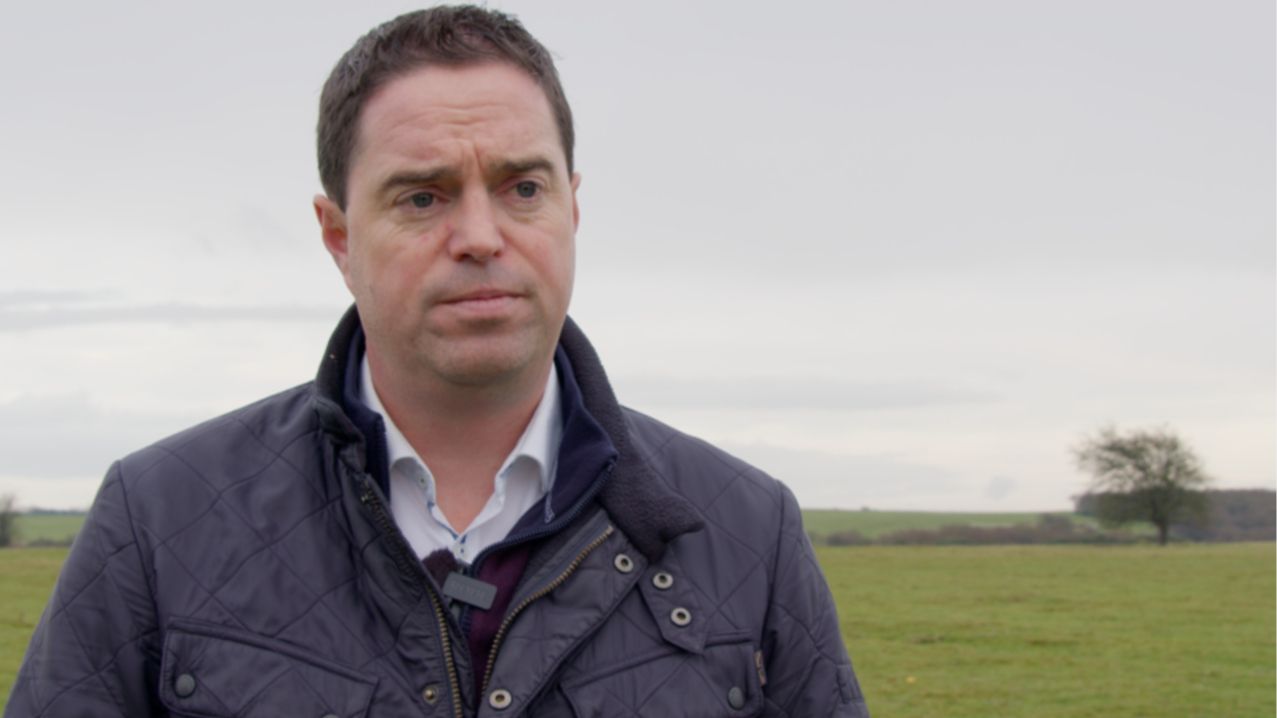
After the panel took place, Liffey Meats sales and head of sustainability, Christopher McGowan gave an interesting demonstration focused on carcass labelling.
He pointed out where in a side of beef some of the well-known steak cuts are derived from.
He explained to the students at the event how beef carcasses are labelled and what the different figures, codes, and numbers on each label means.
Next, the Liffey Meats head of sustainability demonstrated how some of the more familiar cuts of beef are derived from the beef carcass and demonstrated the skilled process necessary to prepare these cuts for the supermarket shelf.
McGowan said: "I selected these cuts here today because these are the ones the students will probably be most familiar with."
The three main steaks he demonstrated in the break-down were:
- Striploin;
- Ribeye;
- Fillet.
When de-boning the beef carcass, McGowan said: "Every move of your knife is in millimetres and is either adding value or devaluing a cut.
"Understanding the muscle break-down but also the commercial value of the carcass plays a massive part in contribution towards maintaining the value of that animal."
He also explained why grade and fat-score is relevant when supplying beef to customers and stressed the importance of sourcing beef cattle with good fat cover and good intramuscular fat when supplying some of the top-end markets.