Watch: A tale of two lands in Wicklow as farmers try to get slurry out


Following the wettest start to the year since 2018, Agriland caught up with some farmers from Co. Wicklow to see how slurry management is faring out.
Farmers along the east-coast are not typically used to the harsh rain that has fallen over the last month, meaning pressure is building on slurry storage.
One farmer we spoke to is farming exceptionally dry land, while the other has a much wetter parcel only a mere 10km down the road.
Gordon Hanbidge is farming on dry ground outside Kiltegan with his sister Linda and his father Alan.
The farm has already got slurry out using an umbilical system, hitting the driest paddocks with 3,000gl/ac.
Hanbidge said even though their land is dry, a tank would still cause damage if it were to go out spreading.
The Hanbidge farm is still well behind their normal though, considering they can usually get slurry out in mid-January when the restricted period lifts.
The tanks on the farm are still as good as full, however the Hanbidges are not feeling the pressure as much as other farms in the locality.
In fact they hope to begin grazing in the coming week, even if it is only for short periods, and also plan and getting fertiliser out in the first dry spell that presents itself.

Meanwhile, not even 10km down the road, Jack Duffy is beginning to feel the pressure.
Duffy has bought himself some time and relieved a bit of pressure by getting out a couple of loads of slurry in the last dry spell.
However, he could only get a small bit out on a drier out-block that is used for heifer rearing and silage.
With no sign of cows going out or fertiliser being spread, slurry storage will be getting to a breaking point for Duffy.
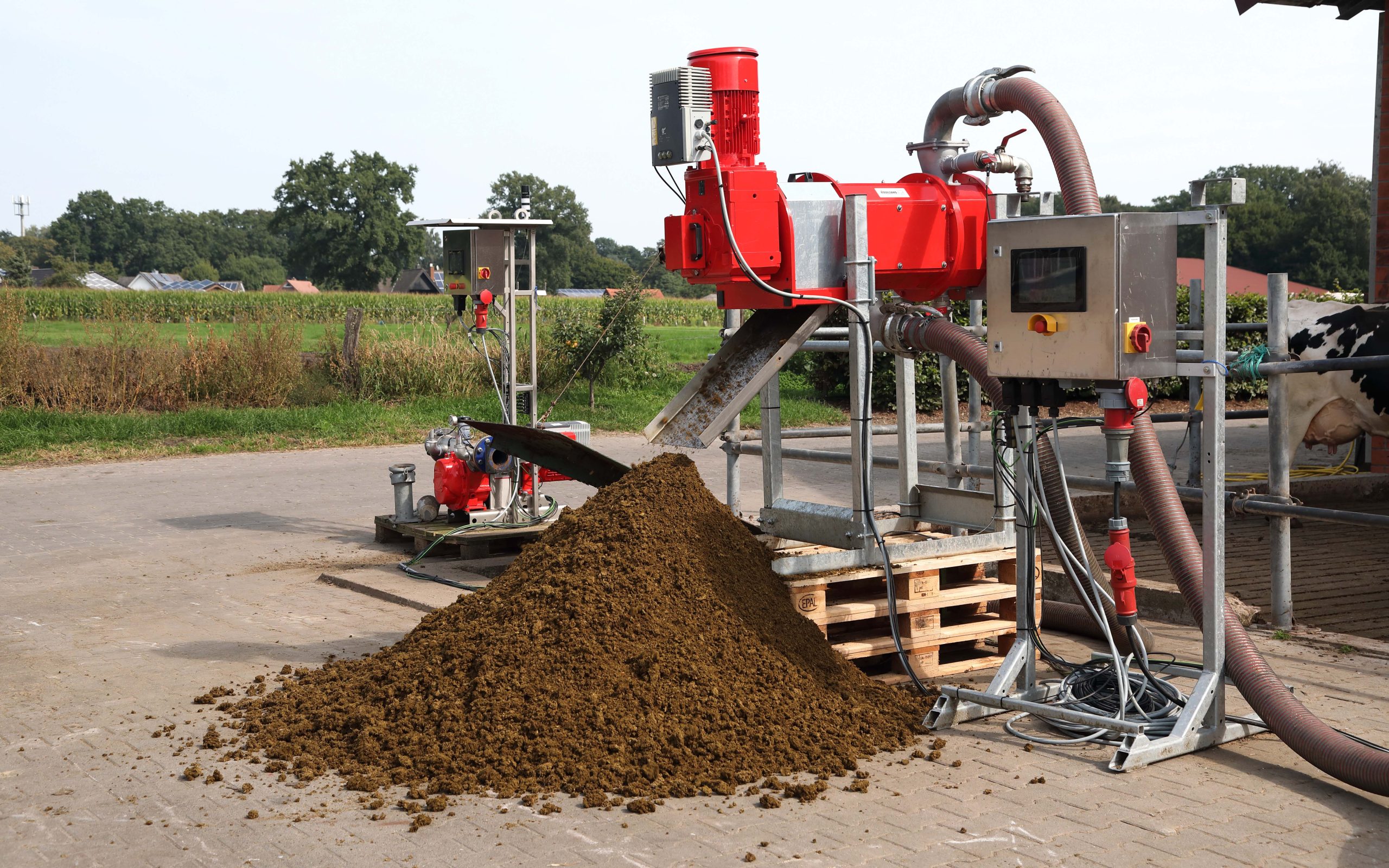
The farm does not have the facilities for pressure relieving methods such as slurry separating, with Duffy saying the solids would only end up being recycled back in through the tanks.
With two farms located in such close proximity to each other, and yet dealing with such different challenges, it shows how unique each situation is on every farm.
Farmers can only make the best of what is in front of them, but finding opportunities to get a couple of loads out and mitigate the pressure will be essential with the bit of dry weather promised over the next couple of days.
If you do get the opportunity to empty the tanks slightly, be considerate of water courses.
Keeping a 10m buffer zone in these conditions is advisable, even it it is only a dike that dries up in the summer.