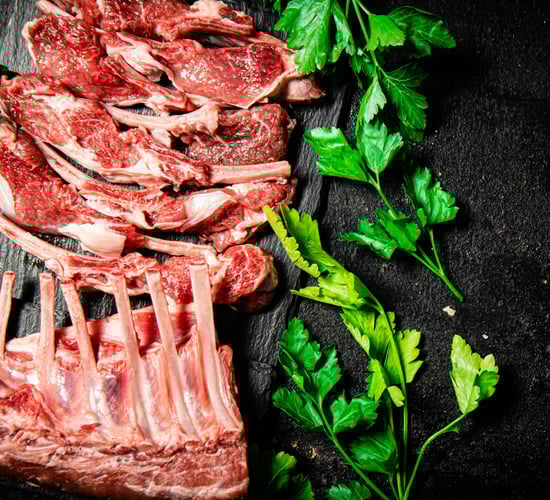
Vigorous start to 2026 as calf registrations up by 23,096

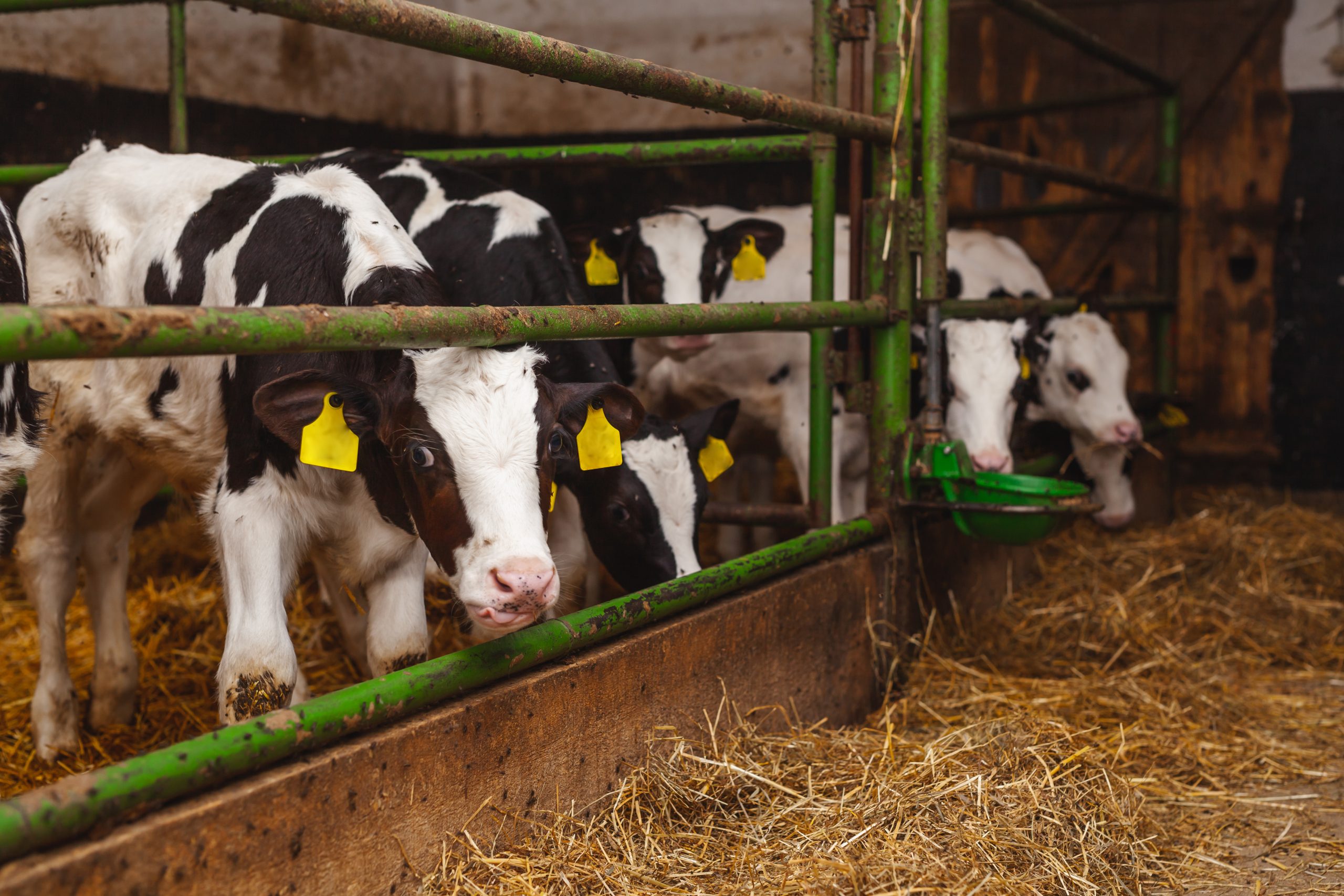
Calf registrations have reached 177,726 head for 2026, with 88,271 registered in the past week, based on Irish Cattle Breeding Federation (ICBF) data.
The data from ICBF accounts for all calves registered up until Friday, February 6.
According to the data, calf registrations are up by 23,096 compared to the same timeframe last year, where calf registrations had only reached 154,630.
Calf registrations
Based on the data, 142,282 calves have been registered to dairy dams.
This means dairy births are up by 18,468 compared to 2025 figures, where only 123,814 calves had been born by the end of the first week in February.
This week alone, 78,359 calves were registered to dairy dams, which when compared to the same week last year is up by 7,662.
This is reflecting increased breeding efficiency on farms as tools such as heat detection collars become more popular.
This is evident from the fact that 1,060 farmers applied for health and fertility monitoring units - including heat detection collars, tags, boluses, and base stations - under TAMS in 2025, and a further 663 applied for the grant in 2024.
Calving dates on many farms have clearly been inching away from the traditional February 1 calving starting date to late January.
Considering the relatively good spring last year and solid milk price during the breeding season, many dairy farmers would have felt optimistic about calving down early this year.
However, dairy farming has slipped down a gloomy hill since, with poor milk prices and a poor start to the spring meaning cows are still housed while farmers try to push solids.
Beef
Beef births have also risen, as beef prices remain relatively strong in both marts and factories despite worries regarding bluetongue and Mercosur.
According to the data, 35,444 calves have been registered to beef dams so far this year.
For the same period in 2025, only 30,816 calves had been registered to beef dams, which was 4,628 head less than this year.
For the week ending February 6, a total of 9,912 beef calves have been born, while only 8,501 were born in the same week last year.
Could the good prices throughout the past year have restored some bit of confidence back into the beef industry?
Genotyping
According to ICBF, 31,047 calf samples were received into the lab under the National Genotyping Programme in the last week of January.
27,236 of those samples were processed in the lab that week.
ICBF have said that it is taking on average 7.5 days between birth and the time where the sample is received.
Meanwhile the sample spends an average of 4.3 days in the lab, meaning the average turnaround time from birth to passport being issued is 14 days.