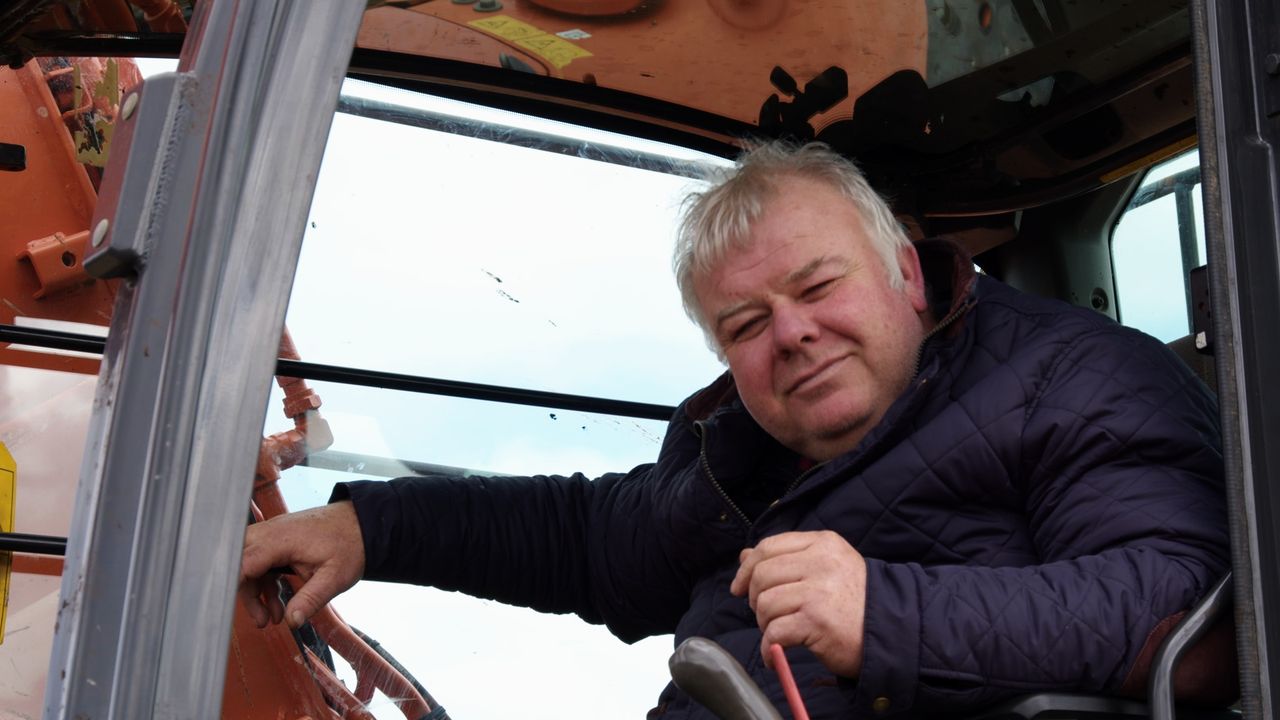
Vet warns farmers against bluetongue vaccine complacency

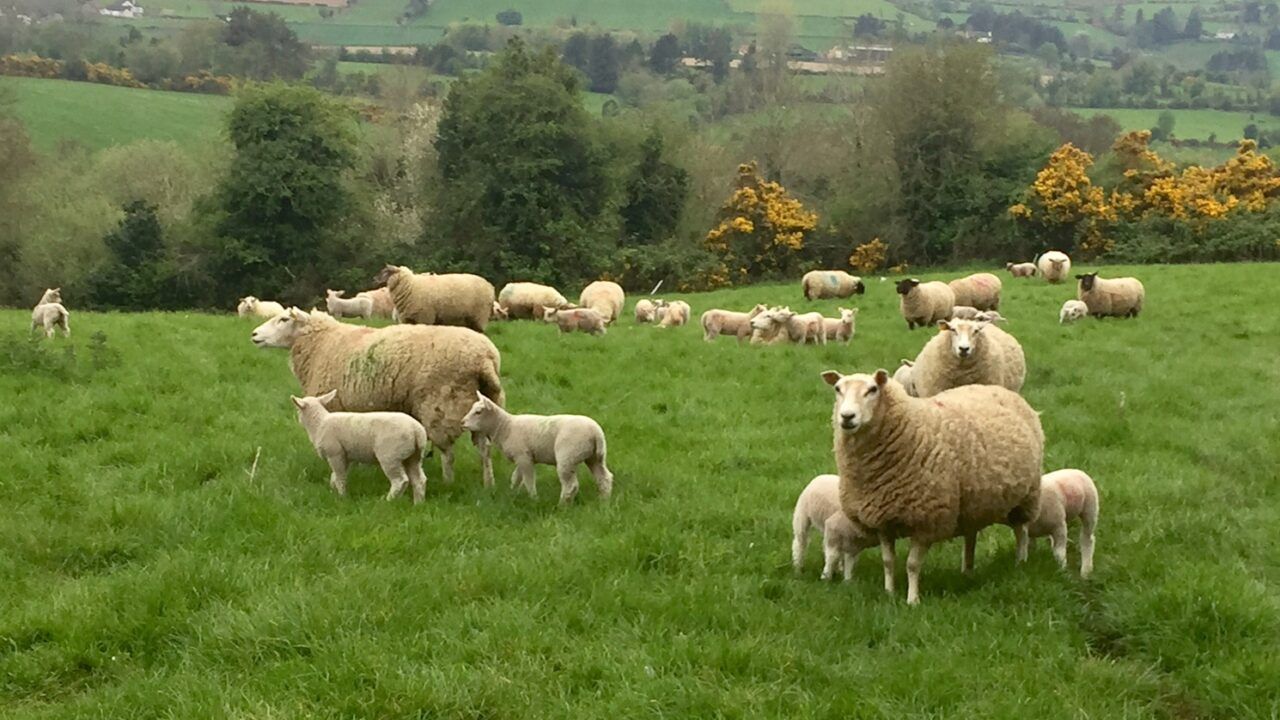
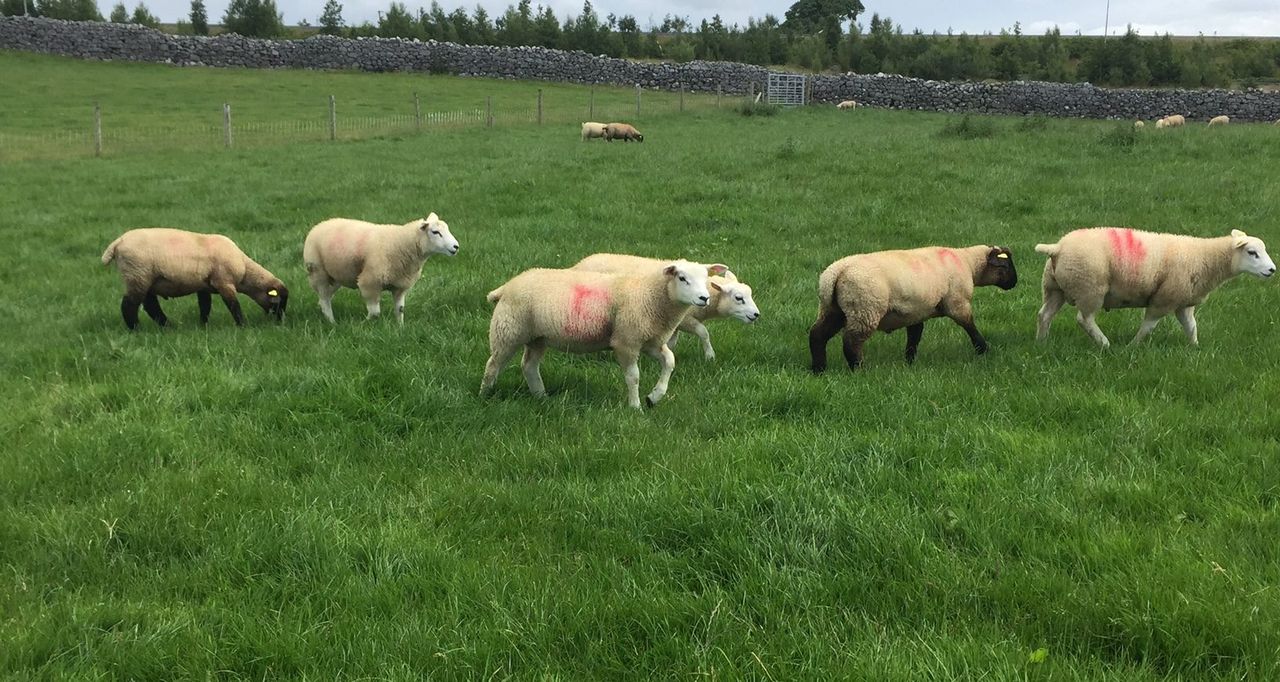
Sheep farmers' reluctance to vaccinate against bluetongue could prove costly, according to Conor Geraghty of the FarmGate Veterinary Group in east Galway.
Speaking to Agriland, he was of the view that erring on the side of caution is the much more sensible approach when it comes to dealing with the disease.
“When it comes to the topic of bluetongue, its impact on sheep is giving me the most angst at the moment," Geraghty said.
"From what I see, there are very few farmers vaccinating sheep at present. If bluetongue comes west, it will kill sheep.
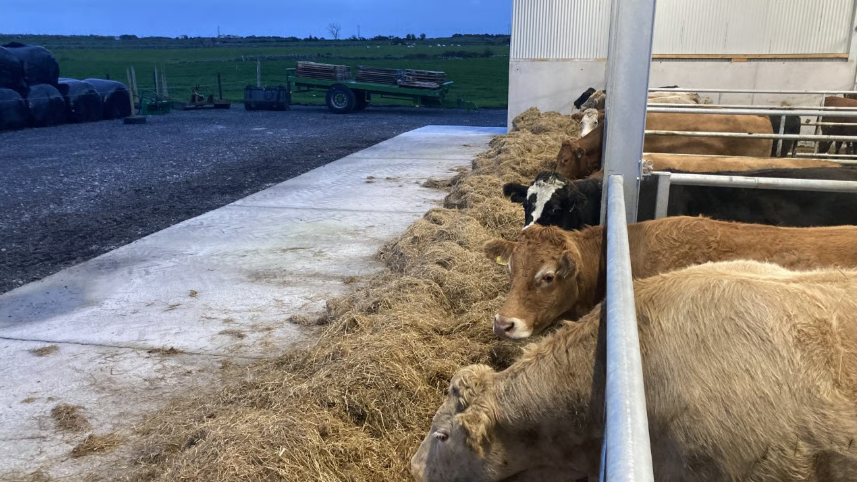
“While it won’t kill cattle, it will impact their reproductive cycles and efficiency," he added.
There is a much higher risk of mortality when it comes to sheep where bluetongue is concerned according, according to the vet.
"While I know farmers are currently busy with lambing, I worry that they are not prioritising vaccinations against bluetongue enough," he acknowledged.
Bluetongue
The first confirmed case of bluetongue was detected in January of 2026 in a bovine herd, with the disease said to be transmitted by midges in temperatures of 12°C or above.
If and when the virus spreads across the country, Geraghty feels that a more cautious approach in favour of vaccination would be the most sensible approach.
He has encouraged farmers to seriously consider spending the extra outlay on vaccinations rather than incurring losses when it comes to mortality.
With the required single vaccination for sheep costing almost €4/animal, the preventative measure rather than the cure is recognised as the most prudent approach by Geraghty.
The vet was fearful that the levels of reporting when it came to sheep mortality were under-reported in the UK in the latter end of last year.
He, therefore, doesn’t want Irish farmers to fall under a false sense of security because of this.
"Given the number of detections that were pinpointed on the east coast late last year, it would be best if farmers prepared as if the disease is going to spread west when the weather is favourable," Geraghty said.