USDA moves to restore access to whole milk in American schools

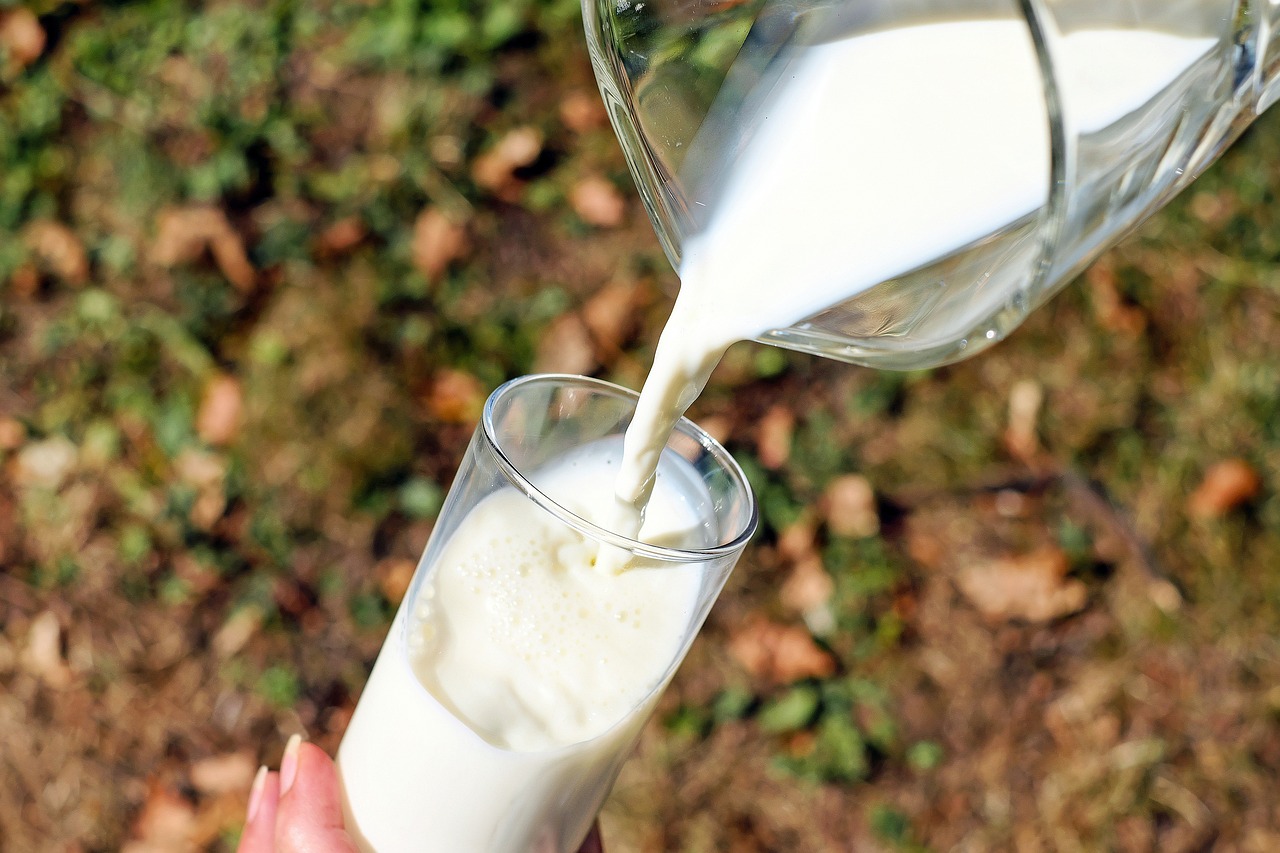
The US Department of Agriculture (USDA) has moved to restore access to whole milk in American schools.
The USDA said that the move has bipartisan support, meaning members of both the Republican Party and Democratic Party support the move; and that it will "strengthen support for American dairy producers".
The development is part of a wider move to reshape dietary guidelines in the US, with a new set of guidelines for 2025-2030 issued last week.
The move comes under a law called the Whole Milk for Healthy Kids Act, which was signed by US President Donald Trump in the White House yesterday (Wednesday, January 14), alongside Secretary for Agriculture Brooke Rollins; and Secretary for Health and Human Services Robert F. Kennedy Jr.
US Secretary for Agriculture Brooke Rollins said that restoring whole milk in schools supports both children's nutrition and producers.
"Whole milk is back and it's the right move for kids, for parents, and for American's dairy farmers," Rollins said.
"This bipartisan solution to school meals, alongside the newly released dietary guidelines for Americans, reinforces what families already know: nutrient dense foods like whole milk are an important part of a healthy diet," she added.
The USDA said its implementation of the law begins immediately, with programme implementation guidance for school nutrition officials now being issued.
The USDA said it will now undergo a "rewrite" of child nutrition programmes to ensure that school meals are aligned with the new dietary guidelines announced last week.
Dietary guidelines
The dietary guidelines announced by the Trump administration last week are seen as a significant shift towards meat, dairy and fresh fruit and vegetables, and away from certain carbohydrates.
The new guidelines state that protein should be prioritised at every meal, while emphasising full-fat dairy with no added sugars.
The guidelines also say that vegetables and fruit should be eaten throughout the day, focusing on whole forms of those products.
They also call for the incorporation of "healthy fats" from whole foods such as meats, seafood, eggs, nuts, seeds, olives, and avocados.
The guidelines also emphasise a focus on whole grains, while sharply reducing refined carbohydrates.