Transitioning from starter ration to concentrates

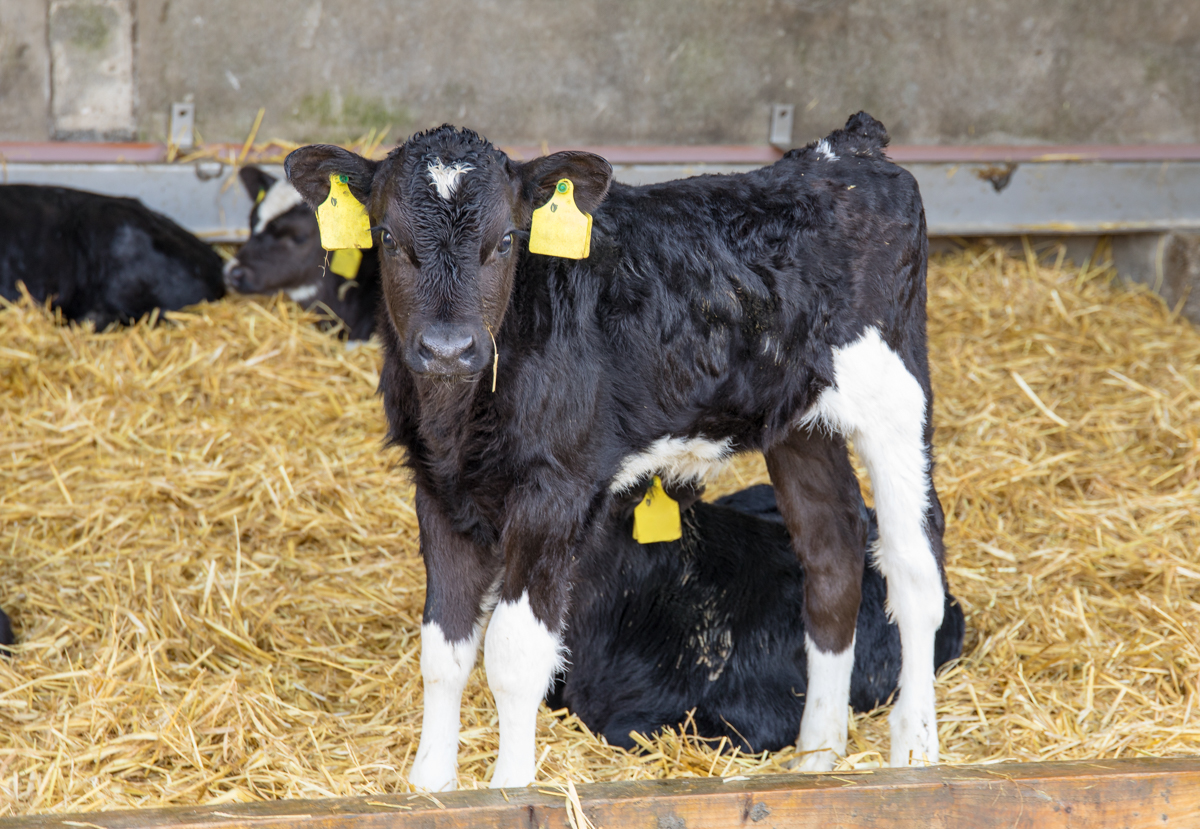
January and early February-born calves may be ready to switch from starter ration to concentrates, but what is the best way to manage the transition?
When calves are born, clean and palatable starter ration should be made available to them to encourage rumen development.
During their first week of life, they will rely solely on a milk diet and will not have any interest in ration; however, early access lets them get used to the smell and taste of them, encouraging intake as time goes on.
They will start out with only a handful of ration, but this will slowly increase over time, as calves should be eating considerable amounts from three weeks-of-age - which is around now for many replacement heifers.
Considering it has already been four weeks since the February 1 calving start date for many, calves are already halfway towards the average age of weaning at eight weeks-of-age.

During this time, many farmers change starter ration for concentrates, while others only make the switch when it comes to weaning as milk intake affects concentrate intake.
Either way, the amount of ration/concentrates must be gradually increased until calves are eating the target of 1kg/day at weaning.
The concentrates needs to be of high quality, highly digestible in energy and protein, and contain the necessary amount of other nutrients, while still being competitively priced.
Access to roughage in the form of hay or straw is still important at this age, as well as the availability of fresh.
Concentrates target
For calves to reach an intake of 1kg of concentrates daily by the time of weaning, consumption must be stimulated correctly from a young age.
Ration should be left in front of calves in a bucket or a shallow trough once they have finished their milk, so they can 'nose around' the bucket and be curious.
Some farmers pour a small drop of milk into the trough or bucket and then follow it with meal to entice the calf to go and eat from the trough.
Only a small handful per calf is needed originally, increasing the allocation to two handfuls per calf at two weeks-of-age.
This early gradual process should encourage consumption while not overwhelming the calves or wasting feed, as overfeeding can lead to digestive upsets and scouring.

The ration that is fed each day needs to be kept fresh, with the stale, older stuff fed to calves who are already eating a good bit of meal.
Ahead of weaning, farmers should gradually start introducing concentrates with the starter ration.
This process can not be done abruptly, or else intakes will be affected.
Low levels of concentrates should be mixed in with the ration now, and over a gradual process decree the volume of ration and increase the volume of concentrates over a two-week period.
The transition needs careful management to ensure the rumen is sufficiently developed to handle a solid-only diet, preventing post-weaning growth deficits.