Sponsored
Tractor walkaround checks: How and why to do them


Sponsored by

Carrying out a tractor walkaround check is one of the most practical and effective ways you can keep yourself and other road users safe.
Modern tractors are larger, heavier and faster than ever, so even a small defect can quickly become a serious hazard if it goes unnoticed.
Taking a few minutes before you start your journey to check your tractor for any defects can help maintain your tractor, avoid breakdowns, and reduce the risk of collisions.
The Road Safety Authority (RSA) has provided some tips on how to carry out a walkaround check on your tractor to ensure you are consistently checking for safety issues.
Before you begin, get into the habit of walking fully around the tractor in the same direction each time. This helps make sure you don’t miss anything.
The check does not need to take long, but it does need your full attention.
Walkaround checklist
Start at the cab and body condition. Make sure the steps are secure, in good condition and provide a firm footing so you can get in and out safely.
Move on to the fuel tank. Check that the fuel cap is in place and properly tightened. Look closely for any signs of leaks, damage or loose fittings, especially underneath the tank. Even a small leak can become a serious problem if it is ignored.
As you continue around the tractor, pay attention to the mudguards. They should be secure and correctly positioned to cover the wheels.

Next, inspect the tyres and wheels. Check that the minimum permitted tyre tread depth is 1.6mm. For safety reasons, it is recommended that each tyre should have at least 3.0mm tread depth.
Look for any cracks, cuts or other damage. Ensure tyre pressures are correct, wheel nuts are secure, and the rims show no visible signs of damage.
At the front of the tractor, check the linkage and mounting points if fitted. Make sure lift arms, bolts and fittings are all in place and secure. Look for any signs of oil leaks around hydraulic rams and pipes, as these can lead to failure during use.
Check that the exhaust is in place and secure. Check the cab, doors, handles are all secure and are functioning correctly.
When you get to the rear of the tractor, take time to check all linkages, lift arms and stabilisers. Make sure everything is properly connected and secure.
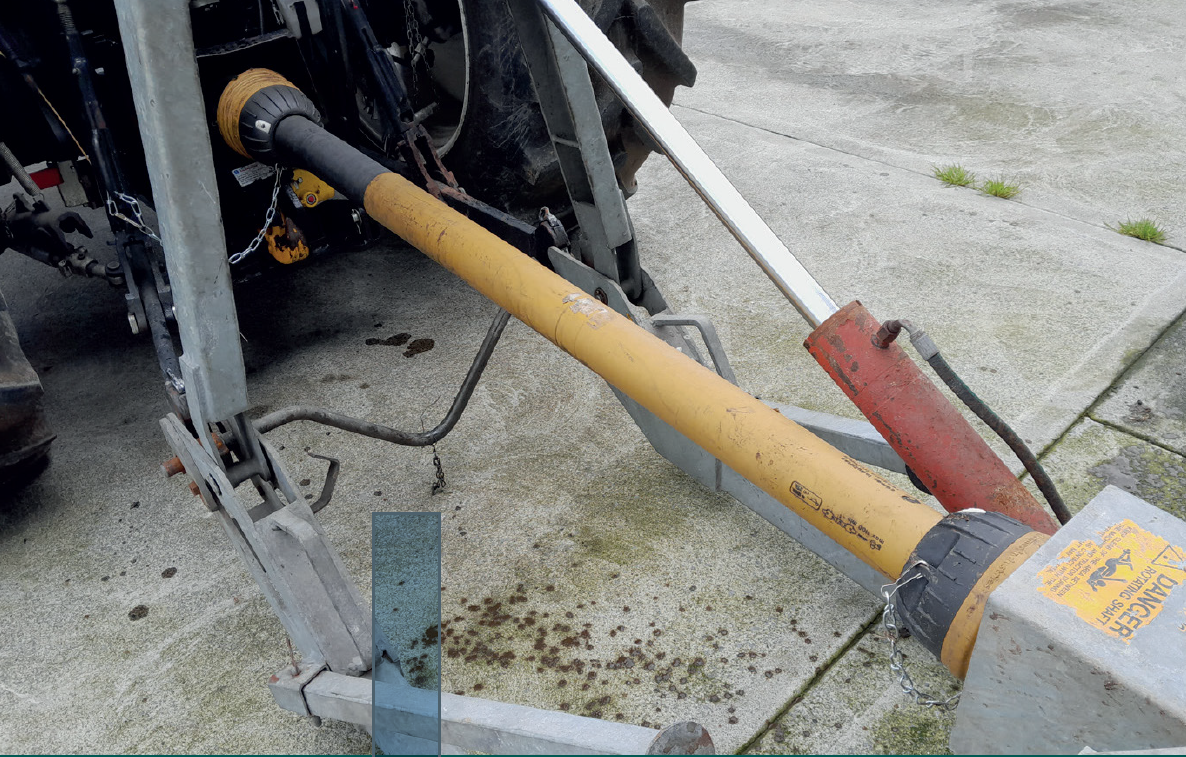
The power take-off (PTO) cover must be in place and secure to protect against injury.
Check the hitch is working properly, closing and locking as it should. That all pins, clips, bolts are present and secure.
Inspect hydraulic hoses and brake lines for any obvious damage, leaks, wear, or loose fittings, especially if you're towing.
You should also check your lights and visibility. Make sure all lights are clean and working correctly, including indicators, brake lights, headlights and beacons.
Check to make sure the speed disk is fitted and is clearly visible.
Check that mirrors are positioned correctly and that the cab windows are clean so you can see clearly when working or travelling on the road.
Finally, check that dash warning lights, horn, brakes and steering are all functioning correctly before setting off.
Tractor safety
Build these checks into your daily routine before using your tractor.
It only takes a few minutes but can significantly enhance your safety and the safety of others around you.
When it comes to tractor safety, prevention is always better than cure.
Regular checks and maintenance can help you avoid issues before they become serious, keeping you safe and your tractor roadworthy.
Sponsored by


