Tillage farmers warned of potential impact of BYDV on harvest 2026

Barley Yellow Dwarf Virus (BYDV) has had a major impact on a significant range of winter cereal crops: barley, wheat and oats, according to a Teagasc tillage specialist.
This in turn is putting a clear focus on the threat posed by the disease on spring crops.
All of this is happening as two trends continue to impact across the tillage sector.
One of these is the rapidly reducing range of insecticides that will be available to control the aphid populations that act as vectors for BYDV.
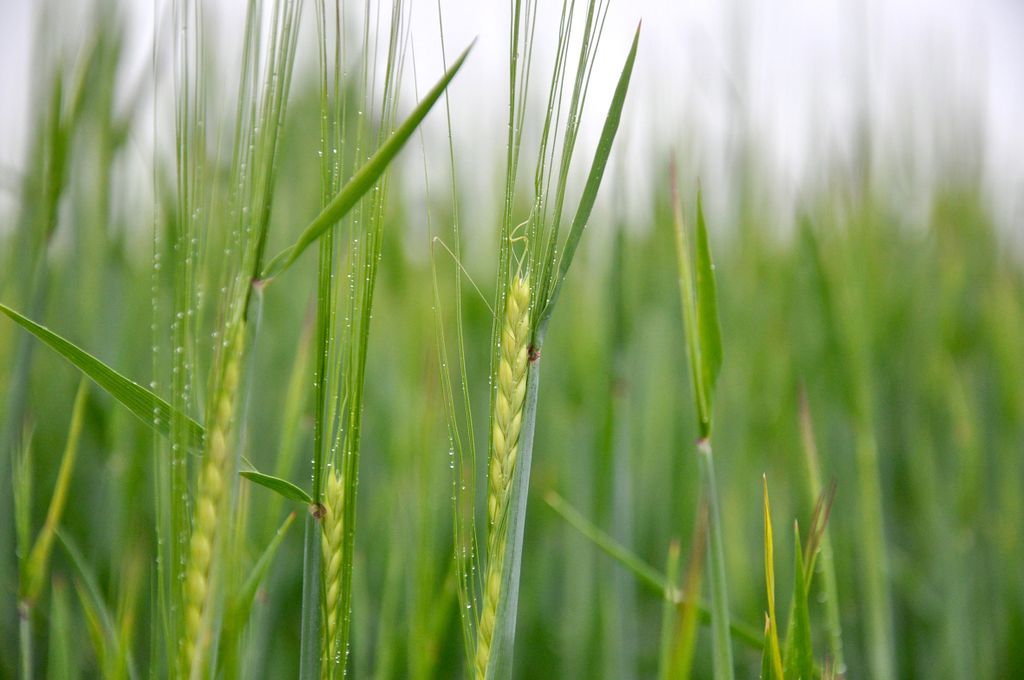
The other is the growing use of BYDV tolerant winter barley varieties by Irish cereal growers.
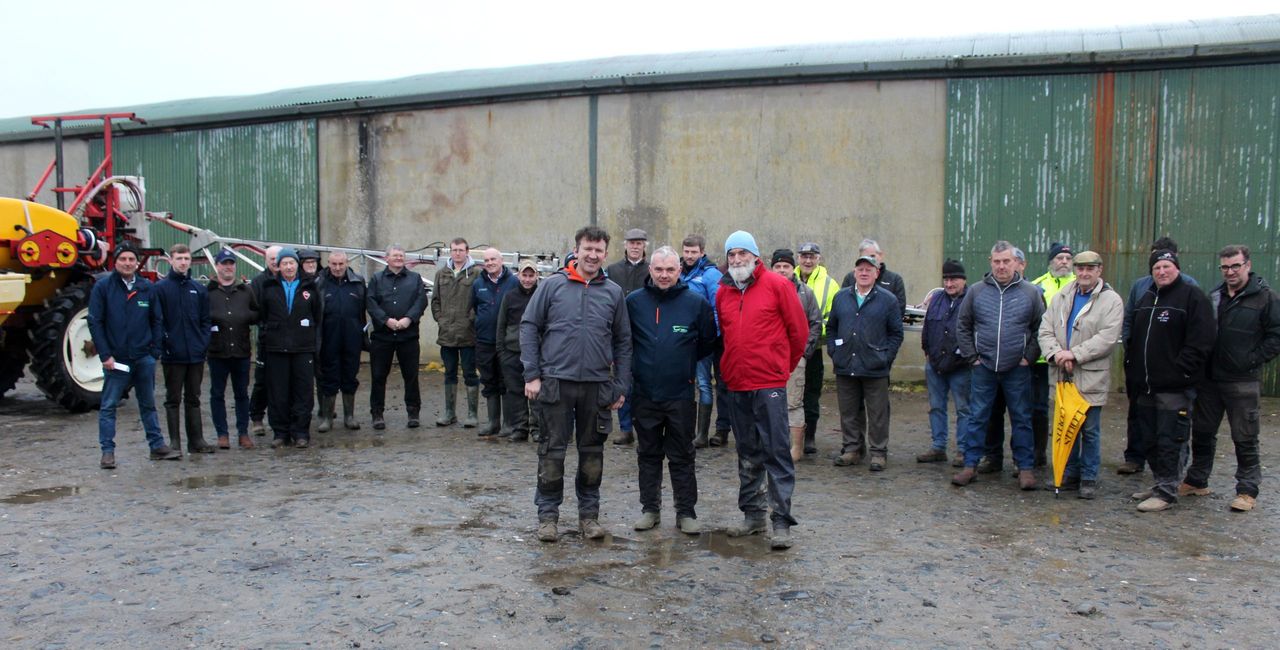
Teagasc’s Shay Phelan addressed these matters at a recent spring crop walk, held in east Co. Donegal.
He confirmed the swing towards tolerant winter barley varieties on the part of Irish farmers, while adding that Teagasc is carrying out trials at Oak Park to independently assess the actual scope of their disease tolerance.
However, the Teagasc tillage specialist went on to point out that the tolerant varieties currently available in Ireland were bred in Europe, where the aphid populations are different from those found in Ireland.
Meanwhile, the 'holy grail' remains that of developing cereal varieties that are wholly resistant to the challenge posed by BYDV. According to Phelan, great strides to this end have been made.
Disease threats
The Donegal farm walk was used as an opportunity to discuss the disease threat currently impacting on winter cereal crops across the country.
Phelan explained: “Earlier in the season, there was a flair-up of yellow rust in wheat crops located close to the east coast.
“Meanwhile, recent rains in Cork have created conditions that are highly favourable for septoria.”
Teagasc is advising the use of full rate fungicide applications at both the flag leaf and full ear emergence stage in order to get winter wheat crops through to final harvest.
Septoria remains the main disease threat of winter wheat crops.
“It’s important that growers use alternating fungicide chemistries at the different growth stages," Phelan said.
“Where winter barley is concerned, a two spray fungicide programme is recommended: with the best control over ramularia achieved between growth stages 45 and 49.”
Making sure that growers are using agrochemicals that are actually suited for their intended purpose was a specific issue brought up at the farm walk.
This follows reports of growers confusing the names of products they had purchased. They then ended up applying chemistries to crops that had the polar opposite impact of that intended.